

Nepal hydropower flood traps workers as death toll hits 903
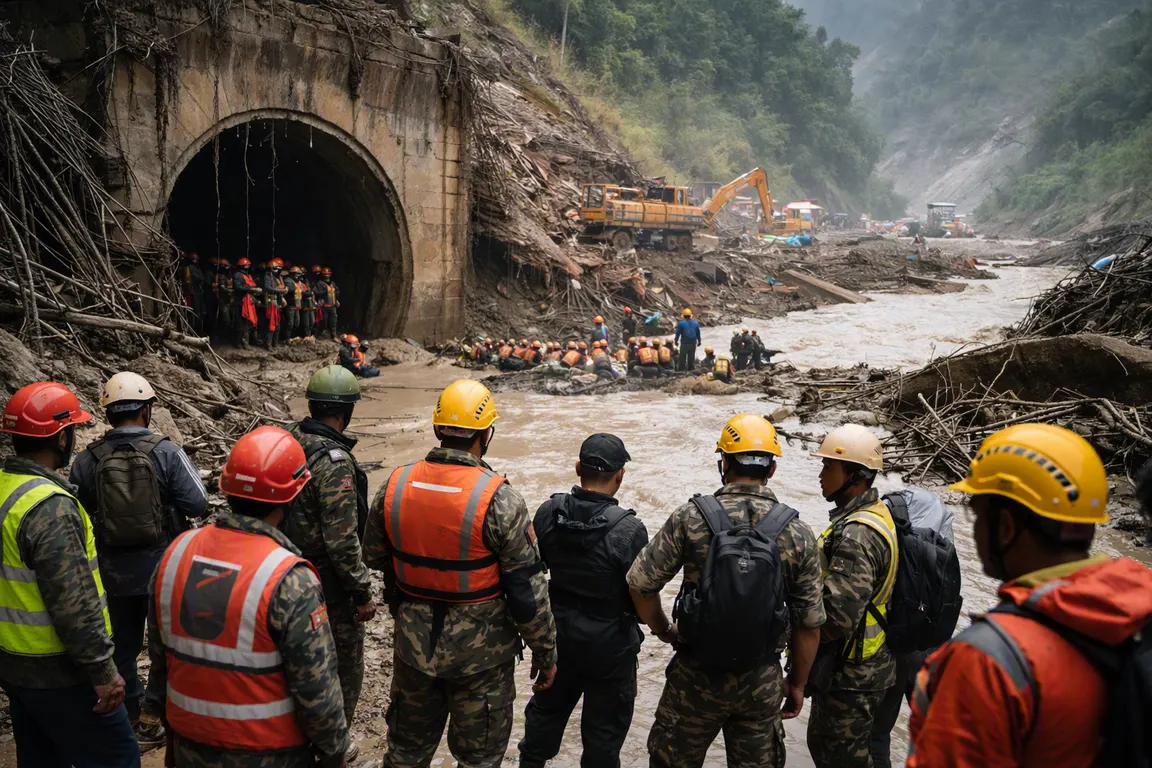
Rescue teams are working to free workers stranded in the tunnels of at least a dozen hydroelectric projects in central Nepal, where the Nepal hydropower flood has raised the death toll to 903 and left more than 4,200 people missing.
The monsoon‑triggered floods that swept Nepal and Tibet in late May are the deadliest natural disaster the country has faced in decades. Hydropower supplies roughly 90 percent of Nepal’s electricity, and damage to tunnels, dams and transmission lines could curtail supply for months, affecting households, industry and export revenues.
Heavy rains on May 28 caused flash floods that inundated valleys, washed away roads and buried villages under meters of mud. Initial reports put the death count at “at least 900”; later updates raised the figure to 903. Missing persons are reported at 4,247.
The most urgent, less visible crisis is the group of workers still underground at flooded or partially collapsed hydroelectric sites. Al Jazeera and other sources say “dozens” of laborers are trapped, though exact numbers vary. Rescue crews have deployed divers, rope teams and portable pumps to clear water and mud from tunnel entrances. Unstable ground, lingering after‑shocks from floodwaters and limited road access to remote sites complicate the effort.
The Ministry of Home Affairs is coordinating the operation with the Nepal Army, local police and international NGOs. Engineers are assessing tunnel structural integrity before any rescue attempt, a step that slows progress but is essential to avoid further collapses.
The impact on Nepal’s power sector is already evident. Several plants have halted production for safety inspections, reducing the national grid’s output by an estimated 10‑15 percent. Energy analysts warn that prolonged outages could force the country to rely more on imported diesel generators, raising costs for consumers and straining a budget already burdened by reconstruction.
For families of the missing and the trapped workers, immediate needs include food, clean water, medical care and temporary shelter. Relief agencies have set up distribution points in affected districts, but washed‑out roads and landslides hamper logistics. Community volunteers are clearing debris and locating personal effects, while the Red Cross coordinates blood donations for hospitals treating flood victims.
As the rescue operation enters its second week, officials plan a comprehensive safety audit of all hydropower sites in the region. Findings are expected within weeks, but questions remain about how quickly damaged facilities can be repaired and whether the disaster will prompt stricter building standards for future projects. The outcome will shape Nepal’s ability to rebuild its energy infrastructure and protect the livelihoods of thousands who depend on it.