

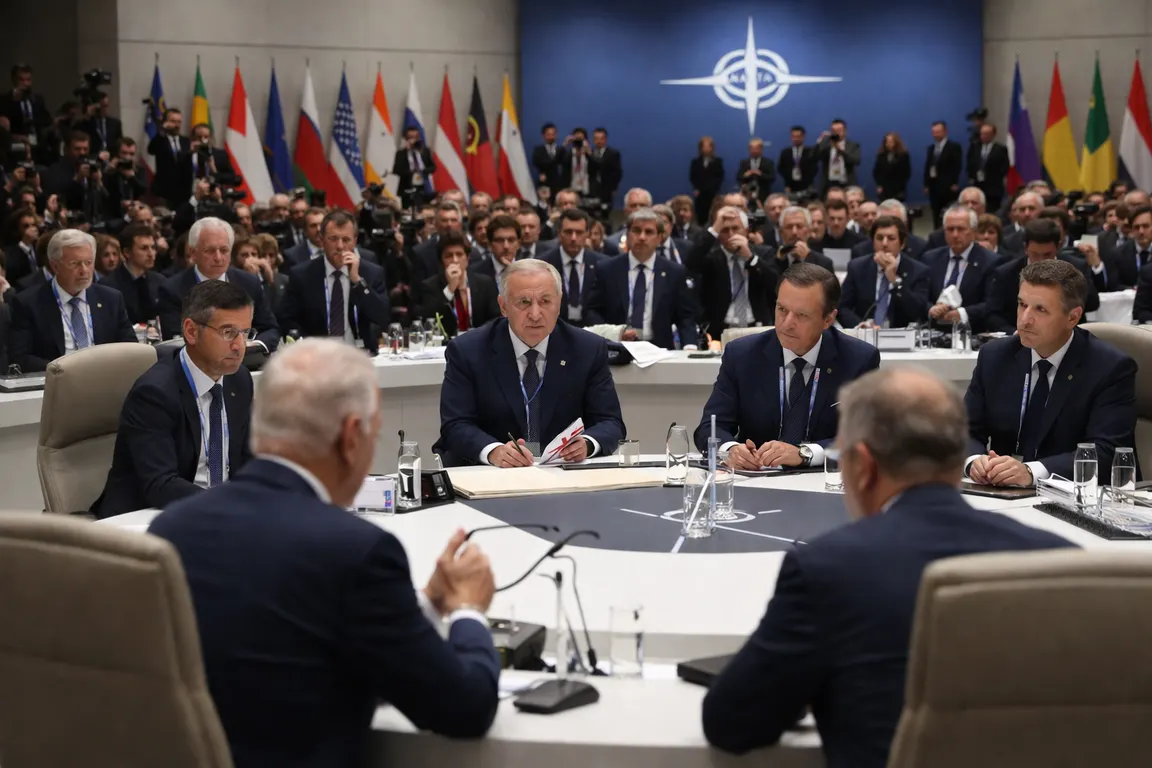
The NATO summit has begun in Ankara, Turkey, with European allies facing pressure from the US to increase their defense spending. The US is pushing for European allies to spend 5% of their GDP on defense, aiming to distribute the collective defense burden more evenly and reduce US involvement. This development is significant as it could impact the future of the alliance and the distribution of defense costs among member countries.
The US ambassador to NATO, Matthew Whitaker, stated that the US is not leaving NATO but rather 'doing less', raising questions about the level of US commitment to the alliance. Despite this, European NATO allies have increased their defense spending, with Germany and Spain seeing significant increases, according to the Stockholm International Peace Research Institute. The institute reports that military spending by European countries has risen more quickly than at any time since 1953.
The summit will address key issues such as Iran, Ukraine, and defense industry cooperation, all of which have significant implications for global security and the economy. Increased defense spending could affect European citizens, potentially leading to higher taxes or reduced public services. The global economy may also be impacted by changes in defense spending and international relations.
As the summit progresses, questions remain about the specific demands being made by the US and the potential consequences of not meeting them. The implications of the US 'doing less' in terms of its involvement in NATO are also unclear. The next step will be to see how European allies respond to US demands and how the alliance will move forward in terms of collective defense strategy.
The outcome of the summit will be closely watched, as it has the potential to shape the future of the alliance and its member countries. With the US pushing for greater burden-sharing, European allies must decide how to respond to these demands. The summit's discussions on Iran, Ukraine, and defense industry cooperation will also be important in determining the alliance's direction on these key issues.