

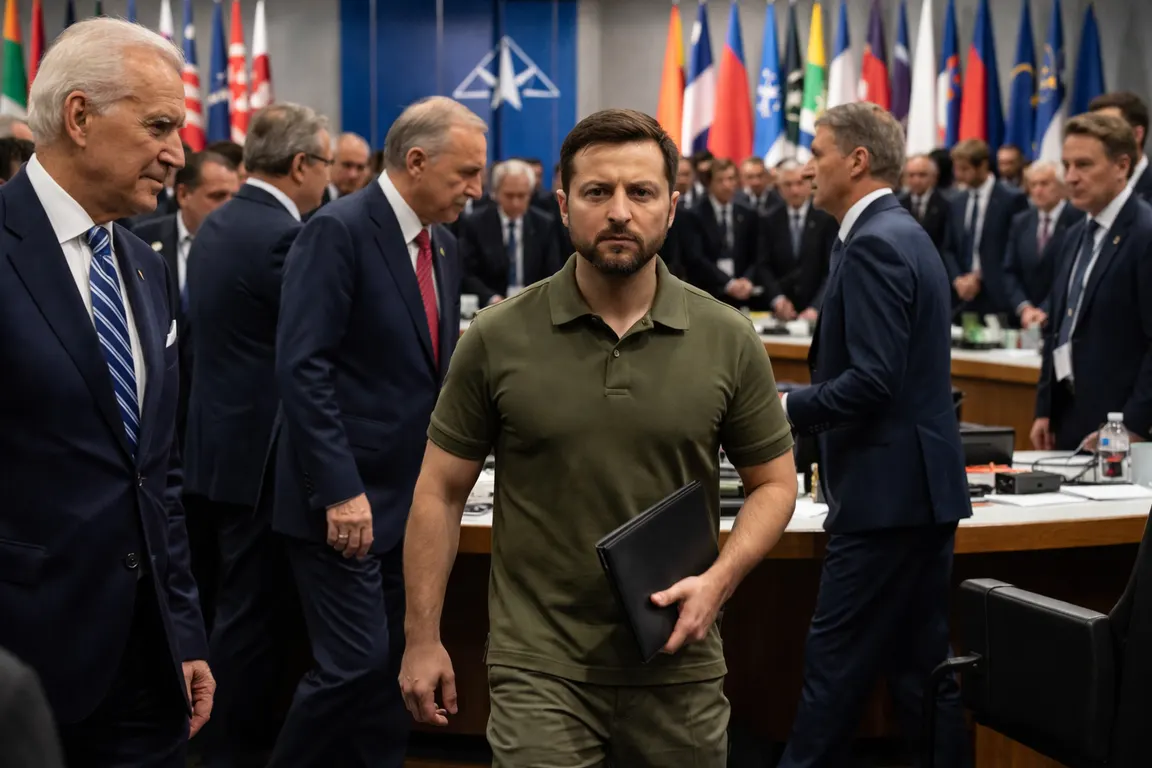
The NATO Summit in Ankara, Turkey, has brought together 32 member states to discuss key issues such as defense spending and support for Ukraine. The summit's agenda is driven by the need for collective security and the challenges posed by Russia's actions in Ukraine. Ukraine's President Volodymyr Zelenskyy is attending the summit, seeking stronger security cooperation between Ukraine, Europe, and the US.
The US has hinted at potentially resuming F-35 fighter jet sales to Turkey, a move that has been met with opposition from Israeli Prime Minister Benjamin Netanyahu. NATO Secretary-General Jens Stoltenberg has promoted a vision for the alliance's future, where Europe assumes greater responsibility for its own defense. The UK has committed to reaching the NATO budget target of spending 2% of GDP on defense, with a goal of increasing this to 3.5% by 2035, although a concrete plan has not been outlined.
US President Joe Biden has emphasized the importance of NATO allies meeting their defense spending targets, with the US seeking greater contributions from its allies. The summit follows recent tensions between the US and NATO allies over defense spending and other issues. The alliance is set to unveil new arms deals worth billions of dollars, demonstrating its commitment to defense spending. The summit's outcomes will have significant implications for the security and stability of NATO member states, particularly Ukraine, as well as the global economy and international relations.
As the summit concludes, the alliance will need to address the implications of its decisions, including the potential consequences of increased defense spending on global security. The NATO Summit in Ankara marks a crucial moment for the alliance, as it seeks to strengthen its collective defense and address the challenges posed by Russia's actions in Ukraine. With the US seeking greater contributions from its allies, the summit's outcomes will be closely watched by nations around the world.
The summit has also highlighted the importance of unity among NATO member states, as they work together to address common security challenges. The alliance's commitment to defense spending and collective security will be crucial in maintaining stability in the region and promoting international cooperation. As the world watches the developments in Ankara, one thing is clear: the NATO Summit has significant implications for global security and international relations.