

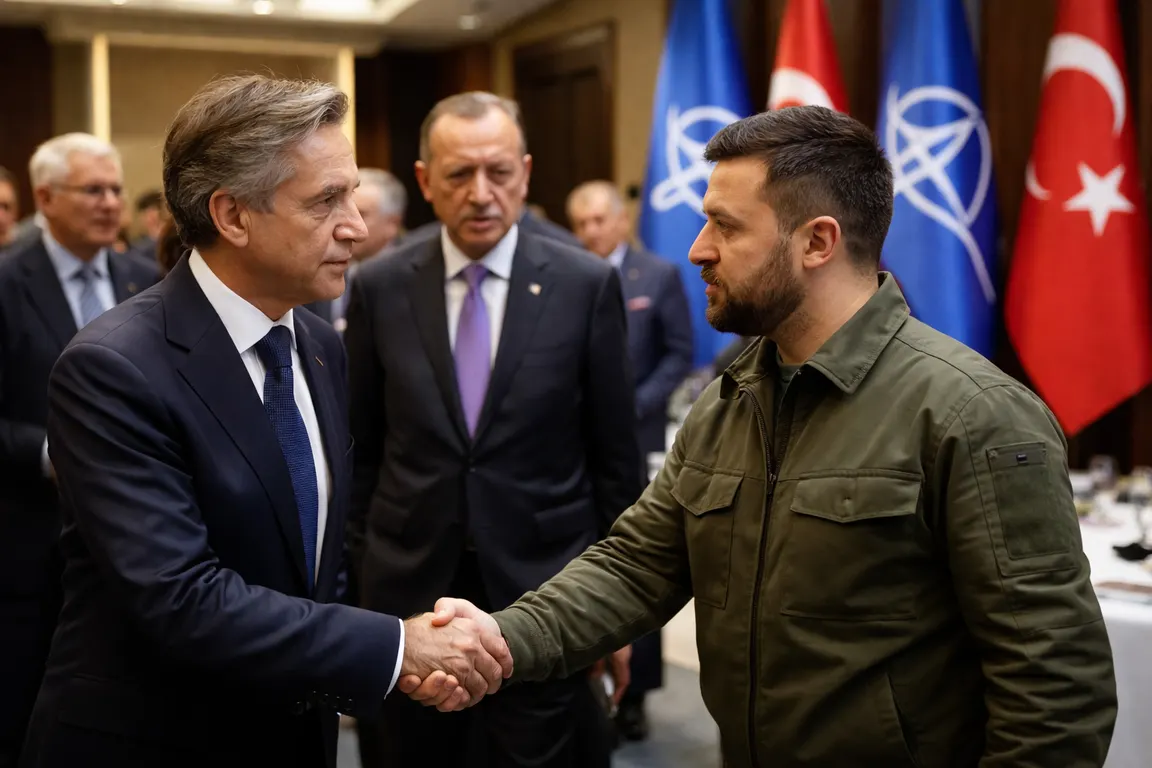
The recent NATO summit in Ankara, Turkey, has yielded significant defense deals, including the US granting Ukraine a license to produce Patriot defense systems. This move is expected to enhance Ukraine's defense capabilities and marks a new era of cooperation between the US and its European allies. The summit saw increased defense spending commitments from European allies, including Estonia, Latvia, Poland, and Denmark, with a total pledge of $80 billion to support Ukraine's defense needs over the next two years.
The US has been pushing its European allies to meet the 2% GDP defense spending target, with some countries struggling to meet this goal. Ukrainian President Volodymyr Zelenskyy made a fresh appeal for Ukraine to join NATO, citing the country's military experience and capabilities. The implications of these developments will be significant for Ukraine's defense capabilities and the broader European security landscape.
The $80 billion pledge to support Ukraine's defense needs will be allocated over the next two years, with the exact details of the allocation still to be determined. The next steps for Ukraine's potential membership in NATO remain unclear, with several obstacles still to be overcome. The US is currently reviewing its military presence in Europe, with a six-month review underway, which may have significant implications for regional security.
NATO Secretary-General praised the US for its recent actions, describing them as a strong response to emerging threats. The developments from the NATO summit will have far-reaching consequences, and it remains to be seen how these will play out in the coming months. The increased defense spending commitments and the pledge to support Ukraine's defense needs demonstrate a renewed focus on regional security and cooperation among NATO allies.
The summit's outcome is expected to have a significant impact on the global economy, as increased defense spending can have far-reaching effects on trade, investment, and economic growth. As the NATO alliance embarks on a new era of cooperation and defense spending, driven in part by the US's shifting priorities and the ongoing conflict in Ukraine, the implications for regional security and the global economy will be closely watched.