

Multi‑day Nor’easter Hits East Coast with High Winds, Heavy
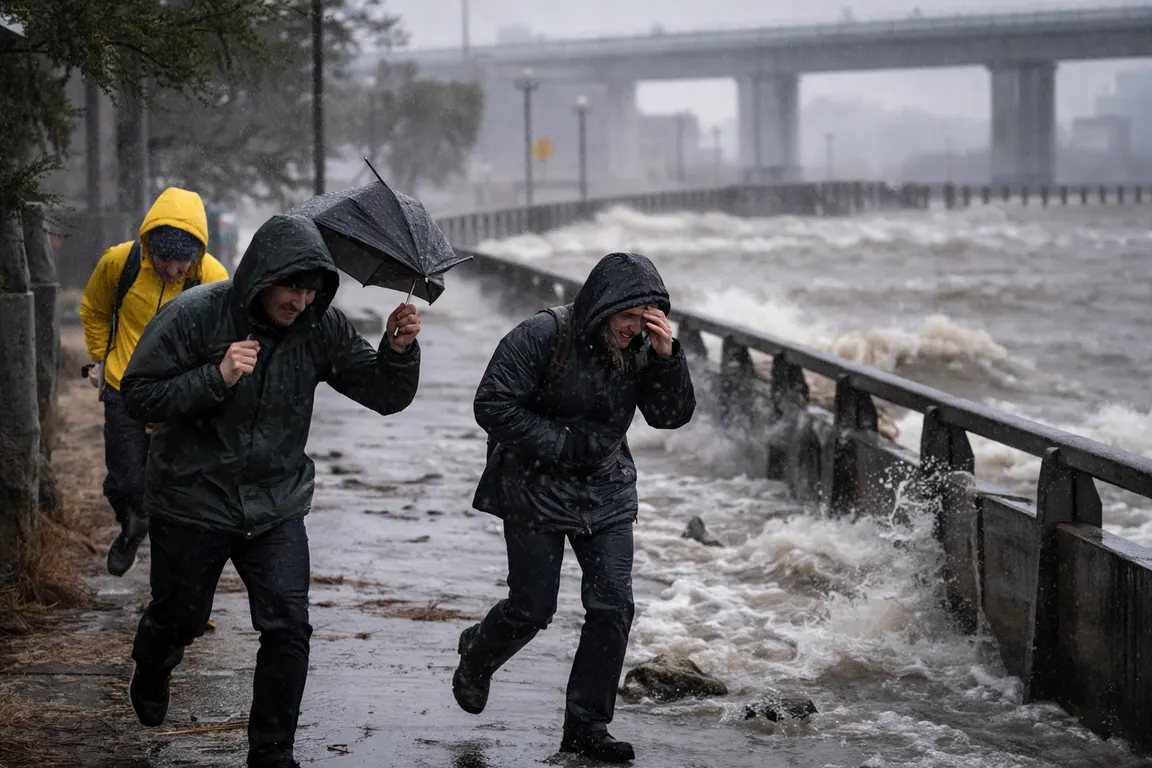
A rare, multi‑day nor'easter east coast is moving up the Atlantic, turning Friday’s commuter rush into a battle against wind‑swept rain and surging tides. Meteorologists expect the system to arrive Friday, intensify over the weekend and linger into Monday, keeping the corridor from New York City to New England under storm conditions for three consecutive days.
The storm could affect up to 40 million people, with gusts reaching 50 mph in the New York City area and heavy rain driving tide‑related flooding along the Mid‑Atlantic and New England coasts. The timing coincides with the busiest travel period of the year, raising immediate concerns for residents, commuters, utilities and emergency responders who must prepare for power outages, road closures and disrupted transit services.
Friday’s initial front will bring steady rain, gusty winds and the first signs of coastal flooding in low‑lying districts of Brooklyn, Queens, Staten Island, Newark and the Hudson River shoreline. The National Weather Service warned that flash‑flood threats could develop within hours, urging residents to move vehicles and valuables to higher ground and to secure outdoor items that could become projectiles in 50‑mph gusts.
Saturday and Sunday are projected to be the storm’s peak. Rainfall rates of half an inch per hour are possible, and the combination of high tides and sustained onshore flow could raise water levels several inches above normal in places such as the Connecticut shoreline, Rhode Island’s Narragansett Bay and Massachusetts’ Cape Cod. The Metropolitan Transportation Authority warned of possible delays and cancellations on commuter rail, subway and ferry services, while Amtrak and regional airlines are reviewing schedules for weather‑related disruptions.
Power utilities are bracing for outages as strong winds threaten trees and lines. Consolidated Edison and other providers have crews on standby and ask customers to report downed lines but avoid contact. Emergency management agencies in New York, New Jersey and Connecticut have declared states of emergency, enabling the release of additional resources and activation of mutual‑aid agreements with neighboring states.
Safety officials advise residents to stock essential supplies, charge mobile devices, review evacuation routes and heed any local flood‑watch or flood‑warning notifications. Those in flood‑prone areas should consider moving valuables to higher floors and be prepared to evacuate if orders are issued. Drivers are urged to avoid flooded roadways and allow extra travel time if they must be on the road.
Monday’s lingering rains will keep flood risk elevated even as winds subside, and cleanup crews will begin assessing damage to roads, bridges and public utilities. State and local agencies continue to coordinate shelter placement and sandbag distribution, but officials say the full scale of impact will become clear in the days after the system moves offshore. Continued monitoring of river levels and coastal gauges will determine whether additional emergency declarations are needed.