

Moscow Drone Strike Kills Two, Damages Oil Refinery
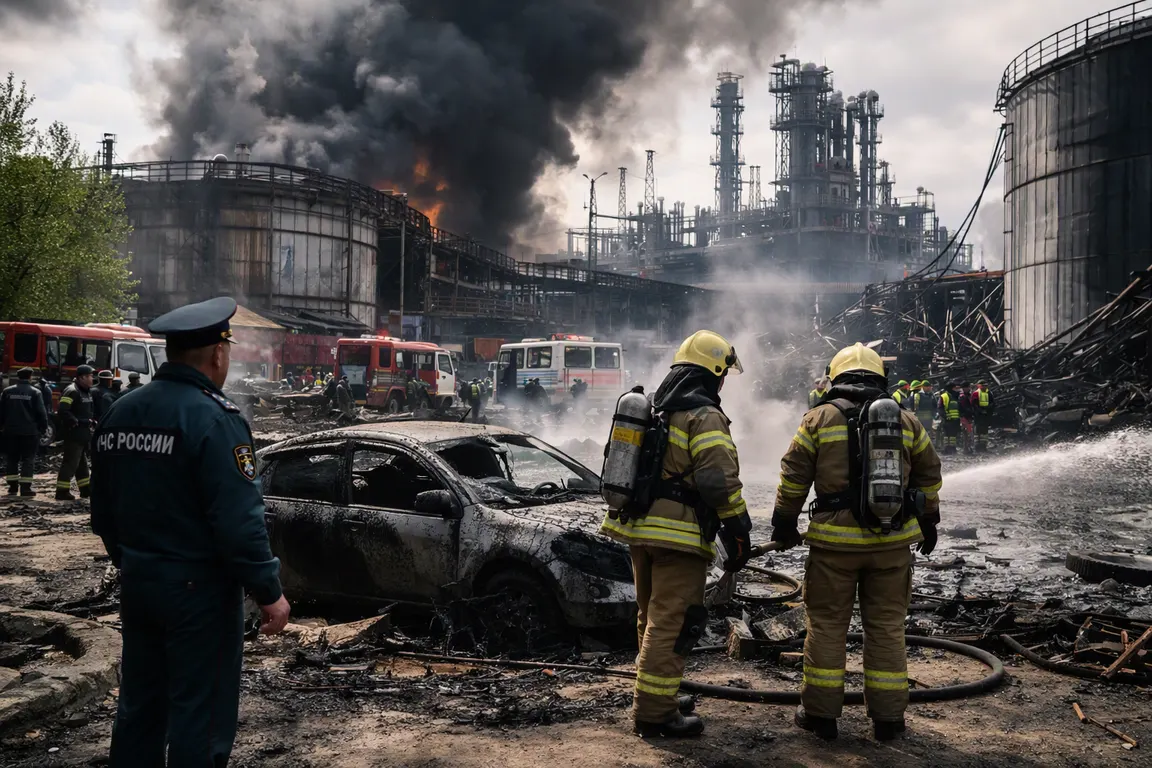
A wave of unmanned aerial vehicles hit the Moscow region on Sunday, the last day of Russia’s parliamentary elections, in what officials described as a Moscow drone strike. Two civilians were killed and a major oil refinery sustained damage.
Moscow’s mayor said air‑defence forces intercepted about 1,600 drones since Saturday, with roughly 450 aimed at the capital itself. Russian officials called the barrage the largest drone strike ever mounted on Moscow. Ukrainian forces claimed to have launched over 1,000 drones, but Kyiv has not confirmed responsibility for this specific attack, and independent verification of the numbers remains limited.
The two victims were found on the city’s outskirts. Emergency crews sealed the crash sites, evacuated nearby neighborhoods and began investigations. Their identities have not been released, but authorities said they were residents caught in the explosions.
A nearby oil refinery suffered damage to a processing unit and auxiliary infrastructure. Production was temporarily reduced, though officials said national fuel supplies remained stable. Analysts warned that prolonged disruptions could lift gasoline prices in the region.
The strike coincided with the final round of voting. Election officials reported that polling stations stayed open and the vote continued without major interruption, although some precincts in the affected districts experienced brief delays while security forces cleared the airspace.
The incident marks a shift in the geography of the conflict. Until now, drone attacks on Russian territory were largely confined to border regions; this operation reached the nation’s political heart.
In 2022, isolated drone incursions targeted oil facilities in the Volga region, but the volume reported on September 15 represents a new level of intensity. Russia’s defence ministry has said it will bolster air‑defence coverage around major cities, yet the sheer number of intercepted drones suggests current systems are being stretched.
No cease‑fire or policy shift accompanied the attack, and Ukrainian officials have not commented on the operation. Some analysts speculate the strike was meant to demonstrate Ukrainian reach ahead of upcoming diplomatic talks, but without direct confirmation the interpretation remains speculative.
As Moscow assesses damage to the refinery and reinforces air‑defence protocols, the unanswered question is how Russia will adapt its civil‑defence posture to protect critical infrastructure and civilians as the conflict increasingly spills into the capital’s airspace.