

Moldova airspace closed after Russian drone, flights delayed
A Russian‑operated drone was detected over Moldova airspace on Thursday, prompting the country's air traffic control to shut down civilian traffic. The closure delayed three scheduled departures, including the charter carrying Ukrainian President Volodymyr Zelenskyy to Norway for King Harald V's funeral.
Moldovan radar picked up the unmanned aircraft and, citing a risk to aircraft, ordered a blanket suspension of all flights within the nation’s controlled airspace. A drone exploded about 160 km from Chișinău International Airport during the incident, according to local officials.
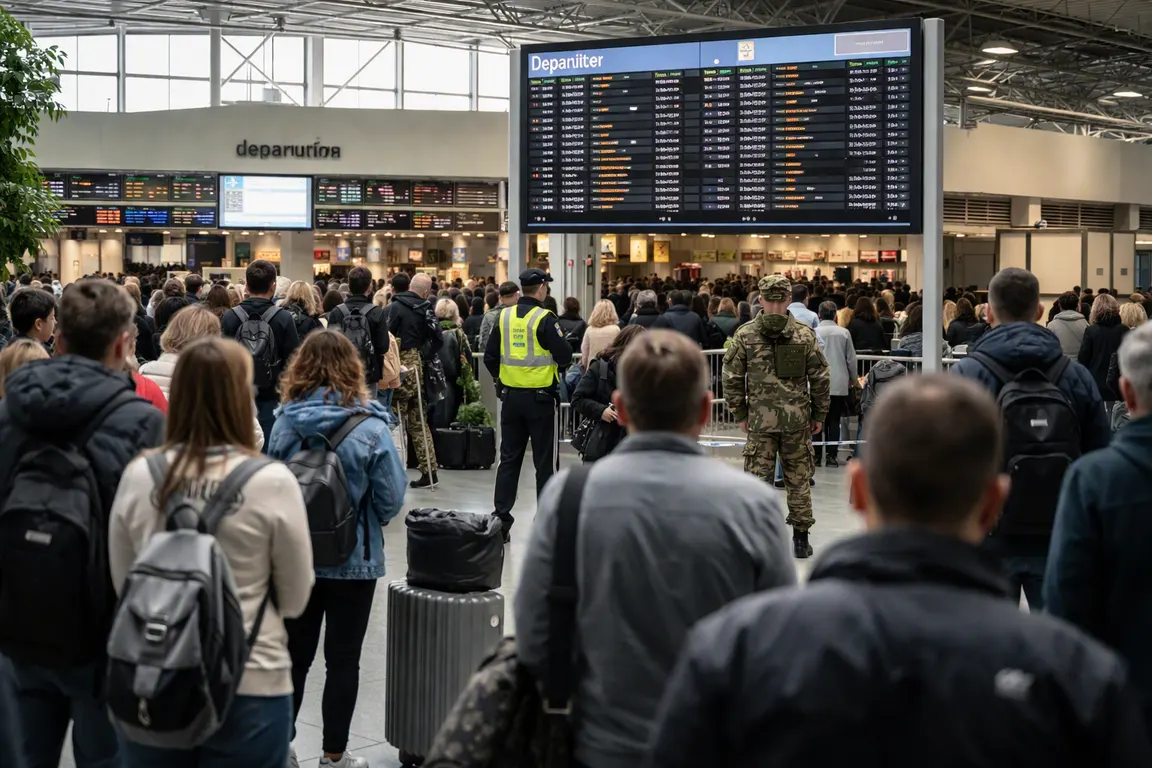
The three halted flights included the Ukrainian presidential charter, a commercial service to Bucharest and a regional flight to Kyiv. Passengers were stranded at the terminal; airlines offered rebooking and, where possible, accommodation. The presidential plane eventually departed after the airspace was reopened, though officials did not disclose the new departure time.
The incident comes amid a surge in cross‑border drone activity linked to the Ukraine‑Russia conflict. NBC News confirmed the airspace closure and the resulting delays, while Norway’s prime minister said the president’s plane had been threatened by the drone, adding a diplomatic dimension to the breach.
Moldova’s civil aviation authority called the shutdown a “necessary safety measure” and said it will review protocols to improve detection and response to similar threats. The brief closure represents both an operational and financial shock for the country’s aviation sector, which already faces a volatile market.
Airlines reported a spike in customer‑service inquiries and warned that repeated airspace restrictions could erode confidence in Eastern European air travel, particularly among business and diplomatic travelers. The incident also highlighted the human cost of sudden flight cancellations, as passengers dealt with uncertainty and inconvenience.
Authorities have not disclosed how many passengers were affected or what immediate steps will be taken to bolster radar coverage or counter‑drone capabilities. Neighboring Romania and Ukraine are monitoring the situation closely, given the proximity of the airspace and the potential for further incursions.
Regional aviation regulators are expected to convene soon to discuss coordinated responses to unmanned‑aircraft threats. Possible measures include technical upgrades to radar systems, revised flight‑path planning and diplomatic engagement to address cross‑border security risks.
While it remains unclear whether this event signals a broader pattern of Russian drone activity targeting civilian aviation, the immediate impact on flight safety and diplomatic travel is evident. Moldova’s next steps will focus on strengthening its air‑traffic infrastructure and ensuring that similar incidents do not disrupt the region’s already fragile air‑travel network.