

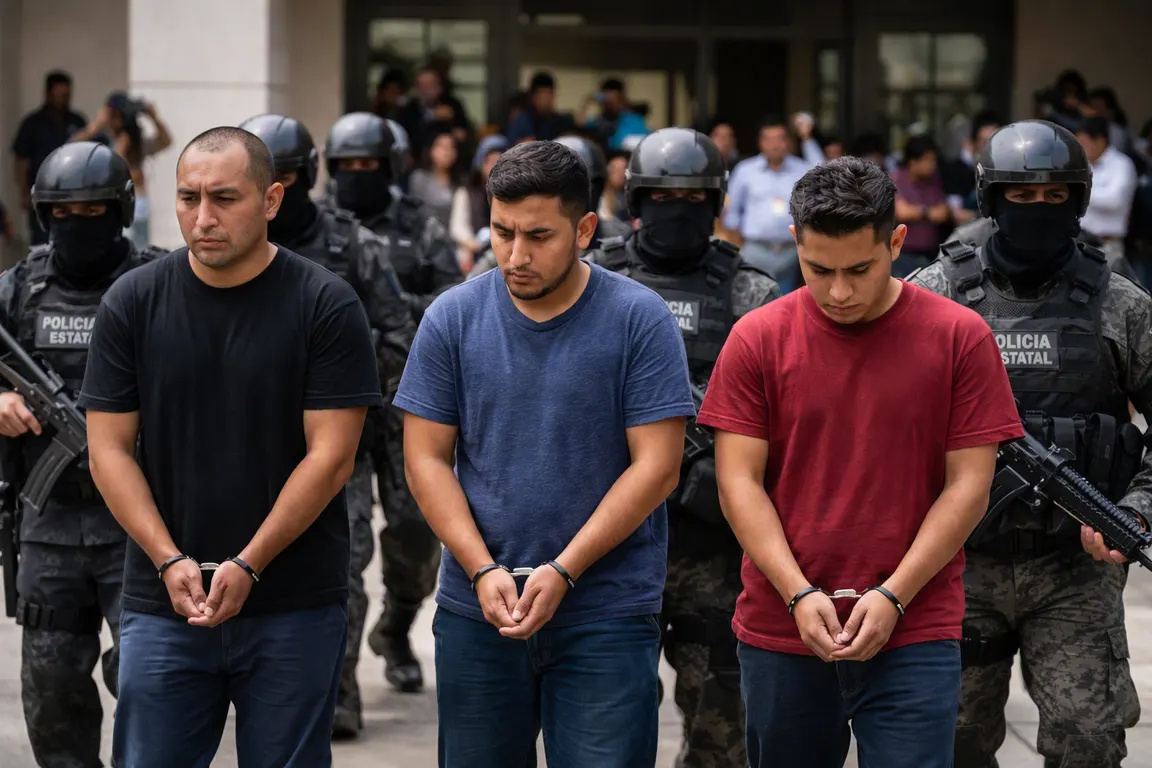
A state court in Mexicali opened a murder trial on Monday against three men accused of killing two Australian brothers and their American friend near La Paz, Baja California Sur. The defendants—identified in court documents as Juan Martínez, Carlos López and Diego Ramírez—face homicide charges tied to an attempted theft that turned deadly.
Prosecutors say the suspects confronted the tourists while they were loading a pickup truck after a surf session, tried to steal the vehicle and, when the victims resisted, opened fire. The victims’ bodies were later found in a limestone cave near the crash site. The case rests on witness testimony, statements recorded by Mexican investigators and the recovery of the abandoned truck.
The trial is being heard in Mexicali, the capital of Baja California, even though the murders occurred in La Paz. Officials say the venue was chosen because the suspects were arrested in that jurisdiction, highlighting the fragmented nature of law‑enforcement coordination across the peninsula.
Witnesses who traveled to Mexicali for the hearing have reported intimidation attempts they attribute to the accused. The trial court noted the allegations in its opening remarks and said it would provide protection for any at‑risk testimony, though details of the security plan were not disclosed.
The case has drawn attention from Australian and U.S. diplomatic representatives, who have been in contact with Mexico’s Ministry of Foreign Affairs and the Attorney General’s Office. Both governments are seeking regular updates and assurances that the proceedings meet international standards of fairness. No changes to travel advisories have been announced, but officials have reminded citizens to exercise heightened caution in remote coastal areas.
Local tourism operators are watching the trial closely. Visitor numbers to surf towns such as Todos Santos and La Ventana have risen steadily since 2022, but a high‑profile murder case could quickly affect perceptions of safety. Industry groups are calling for clearer safety protocols, increased patrols and transparent communication about investigations to restore confidence.
The courtroom drama is expected to last several weeks, with a verdict anticipated by late October. Judges will also decide on a request for a protective order for witnesses, a ruling that could set a precedent for future cases involving foreign victims. The trial will test whether Mexico’s justice system can deliver a verdict that satisfies the families, reassures tourists and demonstrates effective cross‑border cooperation while preserving due process.