

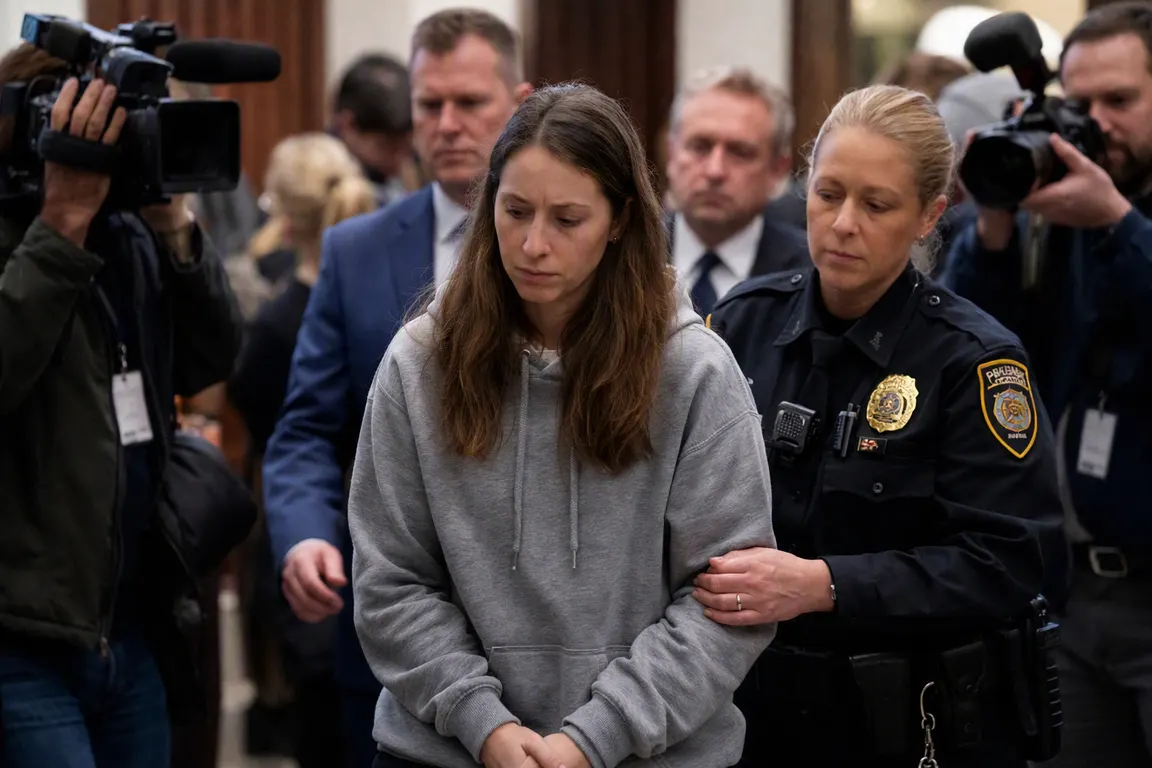
A Massachusetts judge sent a deadlocked jury back into the courtroom Tuesday, ordering them to keep debating the fate of former labor‑and‑delivery nurse Lindsay Clancy, who faces murder charges for the 2023 deaths of her three children. The move underscores the tension between a rare mental‑health defense and prosecutors’ insistence on culpability, a clash that could shape how courts treat postpartum psychosis murder trial cases in the future.
The deadlock was announced at the start of the fourth day of deliberations, a pivotal moment in a case that has drawn national attention. Legal analysts note that the judge’s order is a procedural step that keeps the trial moving while signaling that a hung jury remains a distinct possibility. If jurors cannot reach a unanimous verdict, the judge may declare a mistrial, which could lead to a retrial or a plea negotiation.
Clancy, 36, pleaded not guilty by reason of lack of criminal responsibility, arguing that postpartum psychosis left her unable to understand her actions. Prosecutors counter that she knowingly strangled her children, rejecting the defense as an attempt to evade responsibility. The defense presented expert testimony describing postpartum psychosis as a condition that can cause delusional thinking and loss of self‑control. Under Massachusetts law, a defendant may be found not criminally responsible if a mental disease or defect prevented them from appreciating the nature or wrongfulness of the conduct.
The judge’s instruction to resume deliberations does not change the legal standards but reminds jurors to apply them uniformly. NBC News legal analyst Misty Marris explained that the court can give jurors additional time, provide clarifying instructions, or, if the impasse persists, declare a hung jury. A hung jury would not equal an acquittal; it would leave the state to decide whether to retry the case.
For the Duxbury community, the trial has been a painful reminder of a once‑quiet neighborhood shattered by loss. Residents have attended daily proceedings, and local officials have expressed sympathy for the victims’ family while emphasizing the need for a thorough and fair legal process. The case also shines a spotlight on mental‑health resources for new mothers, a concern echoed by advocacy groups that warn postpartum psychosis often goes undiagnosed.
Legal scholars are watching the proceedings for potential precedent. While mental‑health defenses are not new, postpartum psychosis is rarely raised in homicide trials, and courts have differed in interpreting “lack of criminal responsibility” in such contexts. A verdict supporting the defense could prompt more nuanced jury instructions in future cases; a conviction could reinforce prosecutorial arguments that mental‑health claims should not excuse intentional killing.
As jurors reconvene, the courtroom remains tense but orderly. The judge reminded them that their decision must be based solely on the evidence and the law, not on public sentiment or media coverage. The next steps hinge on whether the jury can break the deadlock. If they do, a verdict—guilty or not guilty by reason of lack of criminal responsibility—will be announced in the coming days. If not, a hung jury declaration will set the stage for further legal maneuvering, leaving the community and the nation to await the final resolution of a case that sits at the intersection of criminal law and mental‑health policy.