

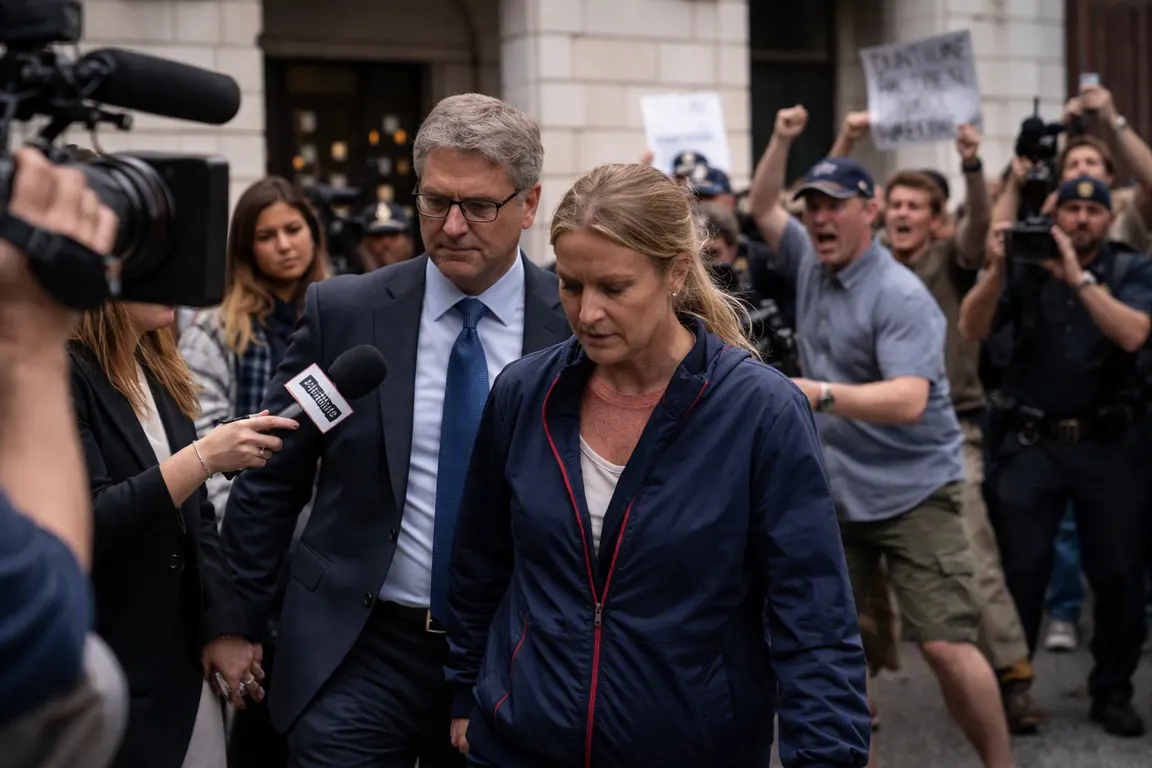
A Massachusetts mistrial toddler murder case was declared Thursday after a single juror refused to vote for a not‑guilty verdict based on an insanity defense in the killing of three toddlers, Cora, Dawson and Callan Clancy. The deadlock leaves the case unresolved and has coincided with a wave of false accusations aimed at the children’s father, Patrick Clancy, on social‑media platforms.
The trial, which began in early 2026, lasted about 40 hours of testimony before a twelve‑person jury. Foreperson Roni Carlson said one male juror would not agree to an insanity acquittal, citing lingering reasonable doubt. Because a unanimous verdict is required, the judge announced a mistrial. District Attorney Tim Cruz confirmed the state can seek a retrial but has not set a date.
At the same time, Patrick Clancy has become the target of an online harassment campaign that falsely alleges his involvement in the killings. Attorneys Howard Cooper and David Meier of Todd & Weld issued statements condemning the defamation and reported threats to law‑enforcement agencies. The campaign reportedly includes “minor celebrities, influencers and conspiracy theorists,” though no arrests have been made.
Legal analysts say the holdout juror’s stance reflects the high burden of proof for an insanity defense, which requires clear evidence that a defendant could not understand the nature or wrongfulness of the act. The juror’s expressed “reasonable doubt” suggests he was unconvinced the prosecution met that threshold. The BBC highlighted this point, and The Guardian offered limited detail on the juror’s reasoning.
If a retrial proceeds, the district attorney’s office will need additional courtroom time, a new jury pool and investigative resources, potentially delaying other prosecutions. Meanwhile, social‑media platforms may come under pressure to curb coordinated defamation, a growing concern for regulators and civil‑rights groups. Law‑enforcement has yet to take action, leaving Patrick Clancy vulnerable to further threats and underscoring gaps in how digital harassment is policed.
The case also revives public discussion about postpartum psychosis and the use of mental‑health defenses in homicide trials. Advocates argue that clearer guidelines could help juries assess psychiatric evidence, while critics warn such defenses can be misapplied.
As the courtroom prepares for a possible second trial, the unresolved question remains: when, if ever, will the legal system bring closure to the families while protecting a grieving father from unfounded online attacks? The next steps depend on the district attorney’s scheduling decision and on whether law‑enforcement agencies act to curb the ongoing harassment.