

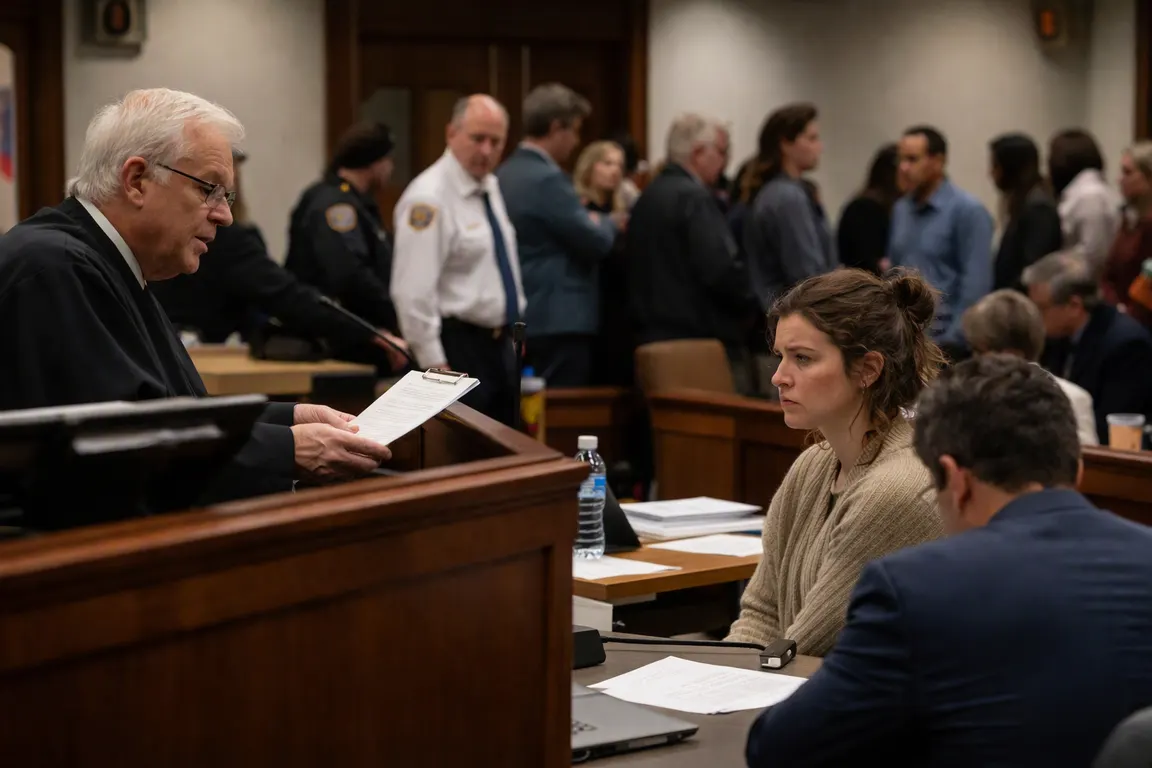
Judge William Sullivan declared a mistrial Thursday in the murder trial of Lindsay Clancy after a jury deadlocked for a third time, invoking the Massachusetts mistrial law that limits jury deliberations.
The ruling ends a week‑long trial in Plymouth County Superior Court that has gripped a community still mourning the deaths of three children.
Massachusetts statutes allow a judge to send a jury back for deliberations only twice. A third impasse triggers a mistrial unless the court grants an extraordinary stay, which Sullivan denied.
Clancy, 36, is charged with killing her three children—Cora, 5; Dawson, 3; and infant Callan, 8 months—in 2023. The trial began in early September 2026, and jurors logged more than 38 hours of discussion during the first week.
After the first deliberation period the foreperson reported a deadlock, prompting the judge to remind jurors of the legal limit. A second round produced the same result, and a sidebar followed in which Sullivan reiterated the standard of reasonable doubt.
On September 3 the foreperson submitted a handwritten note indicating that a single holdout juror would not apply that standard. Defense attorney Kevin Reddington asked the court to remove the juror and grant an emergency stay, arguing the juror’s stance violated Clancy’s right to a fair verdict. Sullivan rejected the request, noting the statutory limit had been reached and a stay would exceed his authority.
The mistrial was entered on September 4. Both sides have since filed post‑trial motions. The defense maintains that Clancy suffered postpartum psychosis, a condition that can mitigate criminal responsibility in Massachusetts if it prevents the defendant from appreciating the nature of the act or conforming conduct to the law. Prosecutors argue the evidence shows Clancy acted knowingly and intentionally, rejecting the mental‑health claim as insufficient to excuse the killings.
The case has revived debate over how the legal system handles defenses based on mental illness. Advocates for mental‑health reform see the trial as a test of whether current statutes adequately address conditions such as postpartum psychosis. Critics warn that lenient interpretations could undermine accountability for violent crimes.
For the victims’ families and the broader Plymouth community, the mistrial prolongs trauma and leaves the question of justice unresolved. Local officials warn that a retrial will strain court resources and intensify media scrutiny, potentially affecting future jury selection and courtroom procedures.
State legislators have taken note, with a few lawmakers proposing a review of the two‑deliberation limit and of the language governing mental‑health defenses. No formal bills have been introduced yet, but the discussion reflects growing awareness of gaps in the existing framework.
The next steps are clear: a new jury will be impaneled, and the state will set a new trial date after the pending motions are resolved. Whether the retrial will shift public perception of the justice system’s ability to balance procedural fairness with compassionate treatment of mental‑health issues remains to be seen.