

Marseille storefront riots highlight France’s unrest
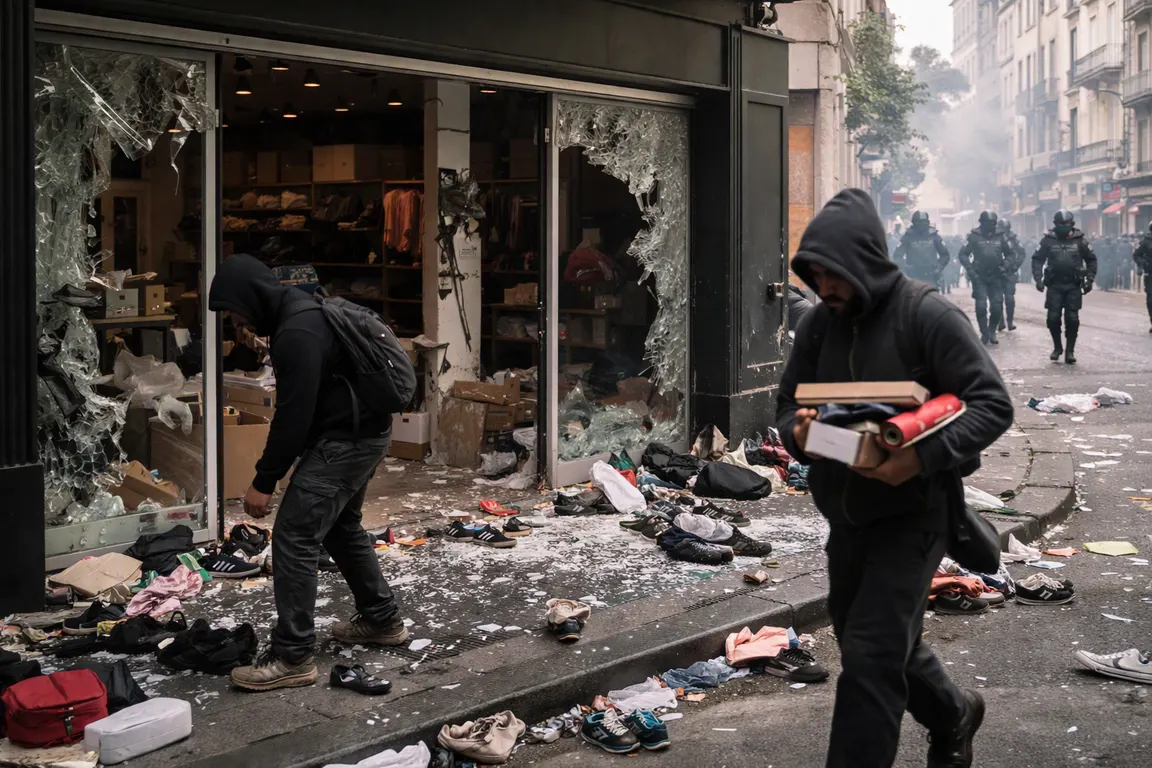
A shattered storefront in Marseille, its glass doors blown out and merchandise strewn on the pavement, became the latest flashpoint in unrest that began with student protests over school conditions in September 2023 and has since spread into riots and looting across France. Police forces were overwhelmed in several cities, and the interior ministry confirmed officers lost control in multiple locations as violence peaked in late October 2024.
The escalation highlights gaps in public‑safety response, threatens local economies and has prompted President Emmanuel Macron to order a comprehensive security review. More than 600 shops were looted in Marseille, according to the BBC, and the latest protests drew an estimated half a million participants, a figure reported by The Guardian and put at 800,000 by the Independent.
Student grievances over dilapidated school facilities and overcrowded classrooms sparked the initial demonstrations on university campuses. Within weeks the protests spread to city streets, fueled by broader discontent over rising living‑cost pressures. By the weekend of Oct. 27‑28, clashes erupted in Paris, Marseille and Limoges, turning peaceful marches into violent confrontations. The Guardian reported roughly 2,400 arrests during the riots, while interior‑minister officials said police resources were stretched beyond capacity, leaving other duties under‑served.
Residents of affected neighborhoods describe disrupted daily life, curfews and a pervasive sense of insecurity. Shop owners in Marseille face immediate financial loss from looted inventory and damaged premises, and the wider retail sector worries about a slowdown in consumer confidence. Police unions warn that the strain on officers could impair response times to unrelated emergencies, compounding public‑safety risks.
Crowd‑size estimates vary. The Guardian’s half‑million figure contrasts with the Independent’s 800,000, reflecting different counting methods and the fluid nature of the protests. No official casualty or injury statistics have been released, leaving the full human cost unclear.
In response, the interior ministry has pledged to reinforce police presence in hot spots and to review operational protocols. Macron’s call for a “full security review” signals a shift toward evaluating both tactical deployment and legislative tools, while balancing civil‑rights concerns raised by protest organizers. Analysts note that any policy shift must address the underlying socioeconomic grievances that sparked the movement, not just the symptoms of looting and violence.
As clean‑up crews begin repairing storefronts in Marseille, the question remains how France will rebuild trust between citizens, businesses and law enforcement. The security review, slated for early 2025, will determine whether new policing powers, community‑engagement initiatives or economic support measures take priority. Until then, the shattered glass of Marseille’s storefront stands as a tangible reminder of how a campus‑level grievance can cascade into a national crisis.