

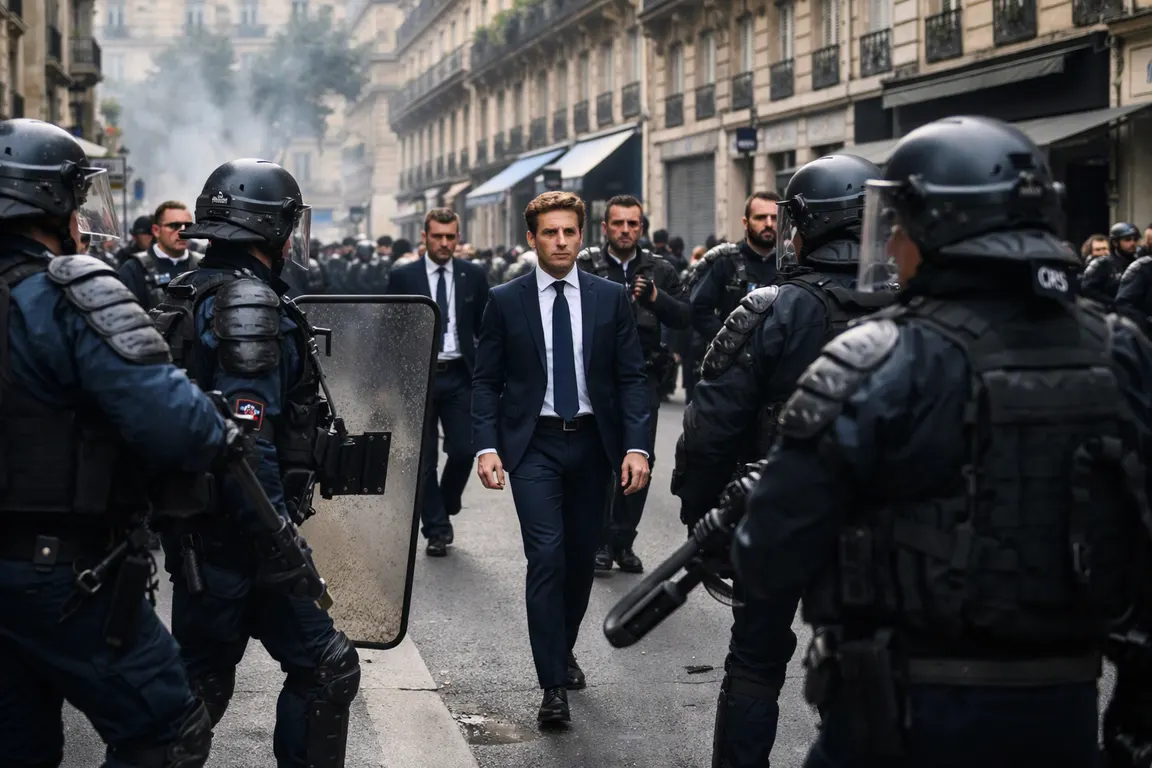
French President Emmanuel Macron told reporters in Doha on Wednesday that the protests slated for this weekend will be "tightly policed" and that any attempt to "cause chaos" will not be tolerated. The comments came after riots broke out in several French cities on Saturday and after foreign leaders, most notably former U.S. President Donald Trump, offered unsolicited advice that Macron called "stupid" and "unacceptable."
Macron made the remarks during a state visit to Qatar, saying that outside commentary was aimed at exploiting France’s internal unrest for partisan gain. He did not quote the foreign statements directly, but described them as rumors and false narratives, including alleged AI‑generated images that misrepresented the riots. Al Jazeera reported that Macron warned against manipulation of public opinion and said police would be empowered to prevent disorder.
The president’s statement reflects growing concern in Paris that external political spin could inflame already volatile street tensions. By framing the issue as one of public safety and information integrity, the French government signaled a readiness to deploy additional police resources and to counter misinformation that might exacerbate unrest. The emphasis remains on crowd‑control measures rather than any immediate change to immigration policy.
The Independent noted that Trump, in a separate interview, urged Macron to "close your borders and take control before it is too late," linking the French unrest to broader immigration concerns. No French official confirmed any pending immigration reform; Macron’s focus stayed on policing the upcoming demonstrations and safeguarding accurate information.
Security forces are preparing for the weekend protests, though details about the organizers or the expected turnout have not been disclosed. Police have been instructed to intervene swiftly if demonstrations threaten public order, and visible patrols have increased in cities that experienced Saturday’s riots. No new legislation has been announced, but the government’s language suggests a more assertive operational posture.
By publicly rebuking foreign commentary, Macron risks straining relations with countries whose leaders have weighed in, particularly the United States. French officials, however, view the criticism as an external attempt to politicize domestic unrest rather than a substantive policy dispute. The episode underscores the challenge democracies face when misinformation crosses borders and influences public perception of internal security matters.
For residents in areas likely to host protests, the immediate implication is a heightened police presence and the possibility of stricter enforcement of public‑order regulations. Businesses near expected protest routes may see reduced foot traffic and temporary closures, while civil‑rights groups are expected to monitor the balance between security measures and the right to peaceful assembly.
The situation will evolve over the weekend as demonstrations unfold and French authorities assess the impact of their policing strategy. Observers will watch whether the focus on information integrity and tighter crowd control curtails the spread of unverified claims and whether any diplomatic fallout emerges from Macron’s pointed remarks toward foreign leaders.