

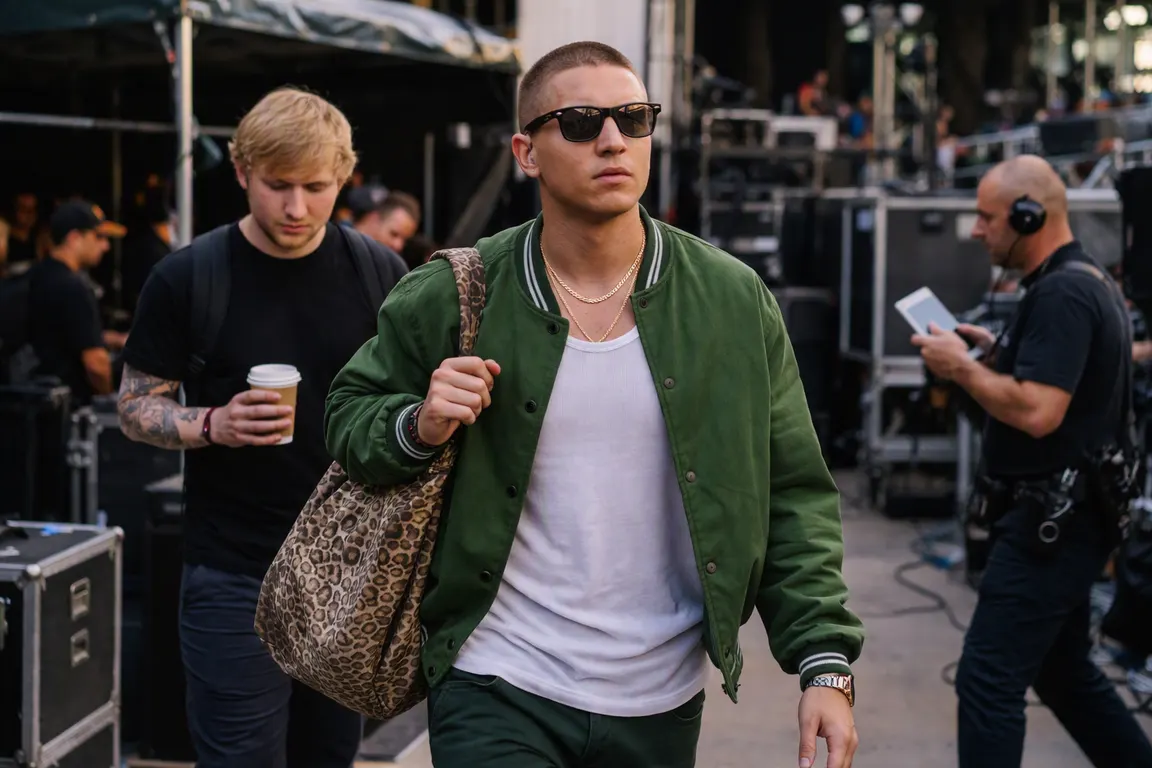
Macklemore tour removal was announced after several venue owners objected to the rapper's public "Free Palestine" remarks, prompting Ed Sheeran's 2024 U.S. tour to proceed without him, tour promoter Messina Touring Group said Monday.
The decision came after the tour schedule had been finalized, forcing the promoter to adjust logistics for the summer dates. The incident highlights how an artist’s political statements can lead venue‑owner pressure, reshaping concert line‑ups and raising questions about the balance between free expression and commercial considerations in live‑music events.
Macklemore, a Seattle‑based rapper, delivered a "Free Palestine" statement during a public appearance earlier this year. The comment was condemned by several Jewish advocacy groups, a reaction reported by the BBC. Shortly thereafter, Robert Kraft, chairman of the New England Patriots and owner of Gillette Stadium in Foxborough, Massachusetts, said the remarks were unacceptable. Gillette Stadium subsequently indicated it would not allow Macklemore to perform, according to Al Jazeera.
Messina Touring Group, which handles logistics for Sheeran’s tour, said the venues on the itinerary would not permit Macklemore to appear. The statement placed responsibility on the venue owners rather than the artist. Macklemore later told NBC News that Kraft had coordinated a boycott among stadium owners, a claim that has not been independently verified.
The removal has immediate financial and experiential impacts. Macklemore loses performance fees and exposure from a major arena tour, while fans expecting his set face a shortened concert experience. Venue owners cite concerns about potential protests or safety issues that could affect public order and community relations. For the promoter, the change means revising marketing materials, reallocating stage time and possibly absorbing extra costs to re‑book or re‑configure shows.
Industry observers note that venue‑owner intervention in line‑ups is not unprecedented, but it is relatively rare for political speech to be the trigger. Most contracts contain clauses addressing behavior that could threaten public safety, yet the degree of influence varies by market and ownership structure. This case shows how a single stadium’s stance can ripple across a tour, especially when the owner controls multiple venues.
Looking ahead, the episode may cause artists to weigh the commercial risk of political commentary against the desire to use their platforms for advocacy. Promoters could tighten contract language related to political speech, and venue owners might formalize procedures for assessing potential disruptions.
For now, Ed Sheeran’s tour will proceed without Macklemore, and Messina Touring Group is working to fill the gap in the schedule. Observers will monitor ticket sales, fan sentiment and any further venue reactions to gauge how the industry balances artistic expression with commercial imperatives in live‑music production.