

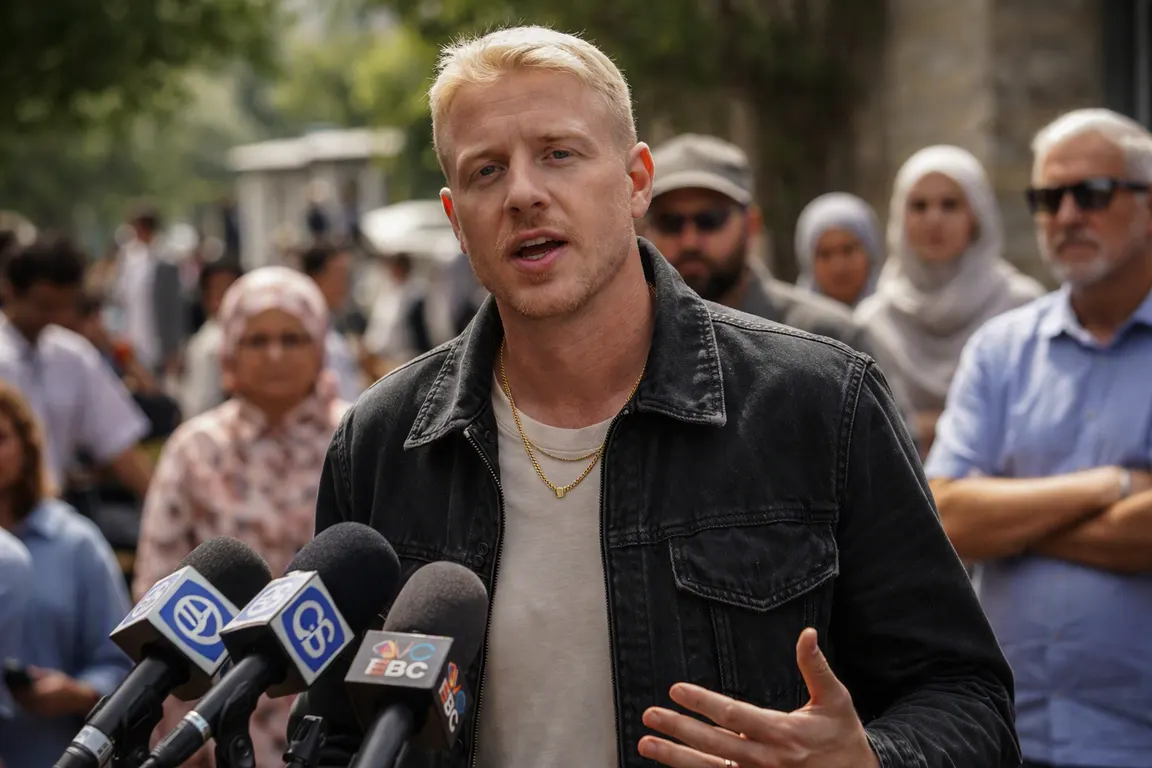
Rapper Macklemore announced he will give the $1 million he earned as the opening act on Ed Sheeran’s “The Loop” tour to humanitarian groups working in Gaza. In the same statement, he challenged New England Patriots owner Robert Kraft to match the donation.
The pledge comes as U.S. donors and corporations face heightened scrutiny over their stance on the Israel‑Gaza conflict. By linking a high‑profile private donation to a call for a billionaire match, Macklemore has placed private‑sector relief funding on the national agenda at a time when lawmakers and businesses are being asked to clarify their positions on aid to Palestinians.
The Guardian and NBC News confirmed Macklemore’s $1 million salary from the tour. After delivering on‑stage remarks that expressed support for Palestine, tour organizers removed him from subsequent dates. Kraft, who owns Gillette Stadium where the tour was slated to stop, denied Macklemore permission to perform, citing “unspecified concerns.”
In early 2024, Macklemore said the entire salary would be donated to organizations assisting Gaza residents, though he did not name the charities or give a timeline for the transfer. Both The Guardian and NBC News reported the same details. The Free Press later described Kraft’s refusal as “making Macklemore a martyr,” but offered no new factual information.
The episode highlights how celebrity activism can trigger corporate gate‑keeping. Venue owners and tour promoters have long exercised discretion over artists’ political speech, but the digital age amplifies the fallout when a performer is censored. Macklemore’s public challenge suggests that a billionaire’s matching gift could offset the financial loss of a single concert act while signaling broader support for Gaza relief.
A $1 million infusion could fund medical supplies, food distribution or shelter reconstruction, but the lack of disclosed recipient organizations makes accountability difficult to assess. The pledge does not alter the overall scale of need in Gaza, where United Nations estimates run into the billions.
For the business community, the dispute raises questions about risk management for live‑event venues. Kraft’s decision reflects a precautionary stance that may be shared by other owners wary of backlash from fans or sponsors. At the same time, the public challenge could pressure other high‑net‑worth donors to consider matching contributions, potentially creating a new model of private‑sector philanthropy tied to cultural influence.
Political observers note that the timing coincides with congressional hearings on aid to Gaza and growing calls for corporate transparency on conflict‑related issues. By foregrounding a concrete dollar amount, the story forces policymakers to consider whether private donations are supplementing or substituting for government‑led assistance.
No response from Kraft has been reported as of this writing. Whether he will match the donation, decline, or remain silent will shape the next chapter of the debate. Journalists will continue to track any announced recipient charities, the eventual disbursement of funds, and any policy shifts by venues regarding artists’ political expression.
The episode underscores how a single celebrity’s financial decision can become a flashpoint for broader discussions about humanitarian funding, corporate responsibility and the limits of free expression in the entertainment industry.