

Lithuania NATO Drone Shootdown Highlights Baltic Security
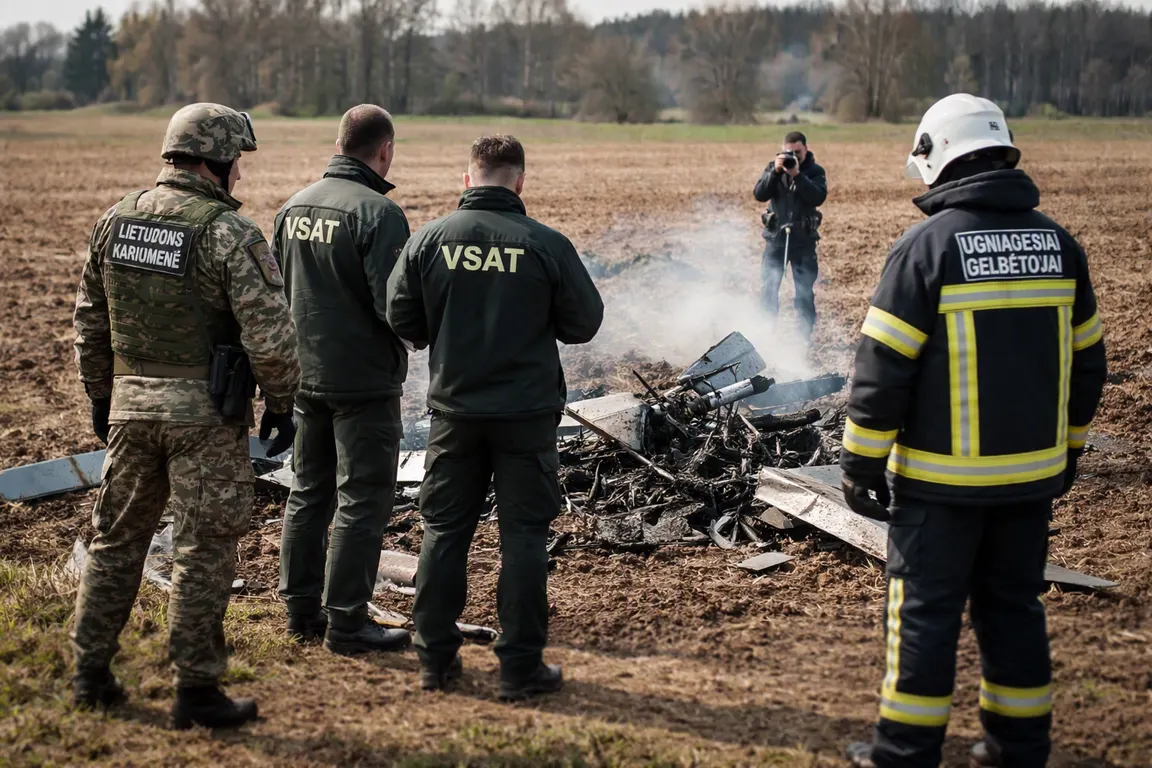
On April 2, NATO fighter jets intercepted and destroyed an unmanned aerial vehicle that entered Lithuanian airspace near the village of Pratkunai, south‑central of Kaunas. Lithuanian crisis‑management officials said the drone came from the direction of Belarus, a close Russian ally, and the rapid response triggered an alert across Vilnius and the surrounding region.
The incident underscores how quickly NATO forces can react to incursions that could signal a broader pattern of aggression in Central‑Eastern Europe. The shoot‑down followed a Polish scramble of jets less than 24 hours earlier after a suspected Russian drone drifted into Polish airspace, and it occurred on the same day Russian forces launched a large‑scale drone and missile strike on Kyiv.
According to Lithuanian authorities, the UAV crossed the border from the east near the Belarusian frontier. Within minutes, NATO aircraft operating under the Enhanced Forward Presence (EFP) mission – a multinational force that includes the United States, United Kingdom, Canada and other allies – were vectored to the contact. The jets engaged the drone and neutralised it safely; no casualties or ground damage were reported.
The EFP framework places forward‑deployed air‑defence assets in the Baltic states, enabling rapid identification and interception of hostile aircraft or unmanned systems. In this case, the detection‑to‑shoot‑down timeline of a few minutes suggests the coordination mechanisms are functioning as intended. The drone’s exact origin remains unconfirmed beyond its likely Belarusian entry point, and Russian officials have not commented.
For civilians, the brief alert meant temporary restrictions on civil aviation and heightened public anxiety. Residents near Kaunas reported hearing low‑frequency warning sirens that accompany NATO air‑defence activations, and regional airlines adjusted flight paths to avoid the contested airspace. Although no injuries occurred, the episode highlights safety concerns in a region where commercial routes are dense and air‑traffic control resources are limited.
Poland’s earlier scramble and the simultaneous Russian drone‑missile barrage on Kyiv point to a pattern of increased unmanned activity across the theatre. NATO members may view the Lithuanian shoot‑down as a cue to review asset placement, expand radar coverage or conduct joint exercises aimed at tightening response times. Such steps could lead to higher defence spending and a re‑evaluation of bilateral air‑defence agreements.
Analysts are still assessing whether the drone was directly controlled by Russian forces, operated by a Belarusian proxy, or launched by an unaffiliated actor testing NATO’s readiness. The lack of concrete attribution leaves room for speculation, but the fact that the UAV entered from Belarus adds a geopolitical dimension that NATO cannot ignore.
As NATO continues to monitor the skies over the Baltics, a formal review of air‑defence protocols is likely. Whether the incident prompts policy changes in Lithuania or among its allies remains to be seen, but it already demonstrates how a single unmanned aircraft can turn a routine border breach into a stark reminder of the war’s expanding reach.