

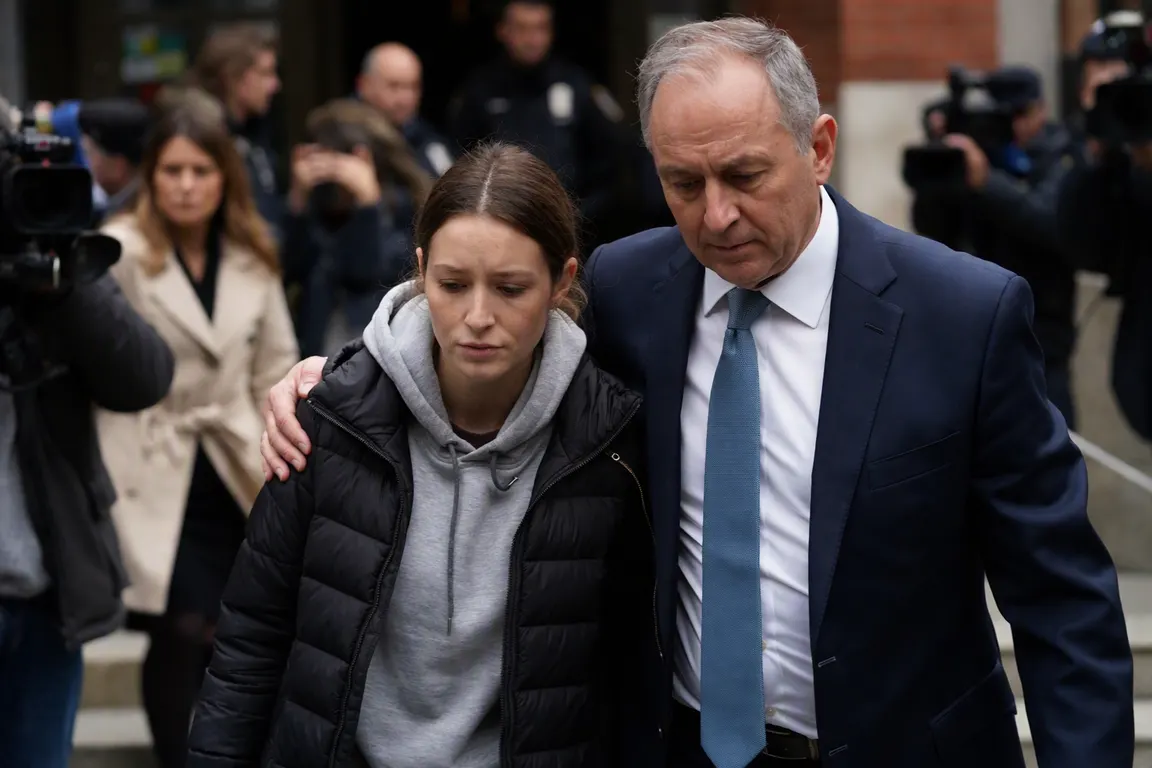
A Massachusetts judge declared a Lindsay Clancy mistrial Friday after a jury failed to reach a unanimous verdict in the case of Lindsay Clancy, charged with killing her three children. The deadlock leaves the prosecution facing a decision on whether to retry the case, pursue a bench trial or negotiate a plea, while the defense has already appealed to the state’s highest court over a juror it says was blocking a not‑guilty verdict.
Clancy’s trial, which attracted national coverage, unfolded over several weeks in a Boston courtroom. Prosecutors presented forensic and testimonial evidence linking Clancy to the deaths, while the defense argued that severe mental‑health distress and alleged failures by child‑protective services contributed to the tragedy. On the trial’s final day, the defense asked the Massachusetts Supreme Judicial Court to remove a juror it claimed was biased; the court denied the request, and the jury remained deadlocked, prompting the mistrial.
The immediate impact on the community is stark. The families of the three children, already coping with profound grief, now face an extended period without legal closure. Clancy remains in custody, and her legal and financial situation remains uncertain while the district attorney’s office decides its next move.
Legal experts note that a mistrial does not bar a second trial. Prosecutors can refile the same charges and present the same evidence to a new jury, but a retrial may be complicated by witness fatigue, heightened media scrutiny and the difficulty of assembling an impartial jury in a high‑profile case. The defense may revisit its juror‑bias claim or argue that the prior deadlock demonstrates reasonable doubt.
The case has also revived broader policy debates. Child‑welfare agencies are likely to face renewed scrutiny over whether earlier interventions could have prevented the deaths. Mental‑health advocates argue that courts need clearer guidelines for defendants whose alleged crimes are intertwined with psychiatric conditions. Some legislators have hinted at reviewing jury‑selection procedures in cases involving sensitive social issues, though no specific proposals have been introduced.
The district attorney must file a motion to retry the case within a statutory window or consider alternative resolutions. Until that decision is made, the case will continue to draw attention from the community, the media and legal observers, underscoring ongoing tensions between child protection, mental‑health considerations and the criminal‑justice system.