

Leipzig Airport Drone Attack Blamed on Russia
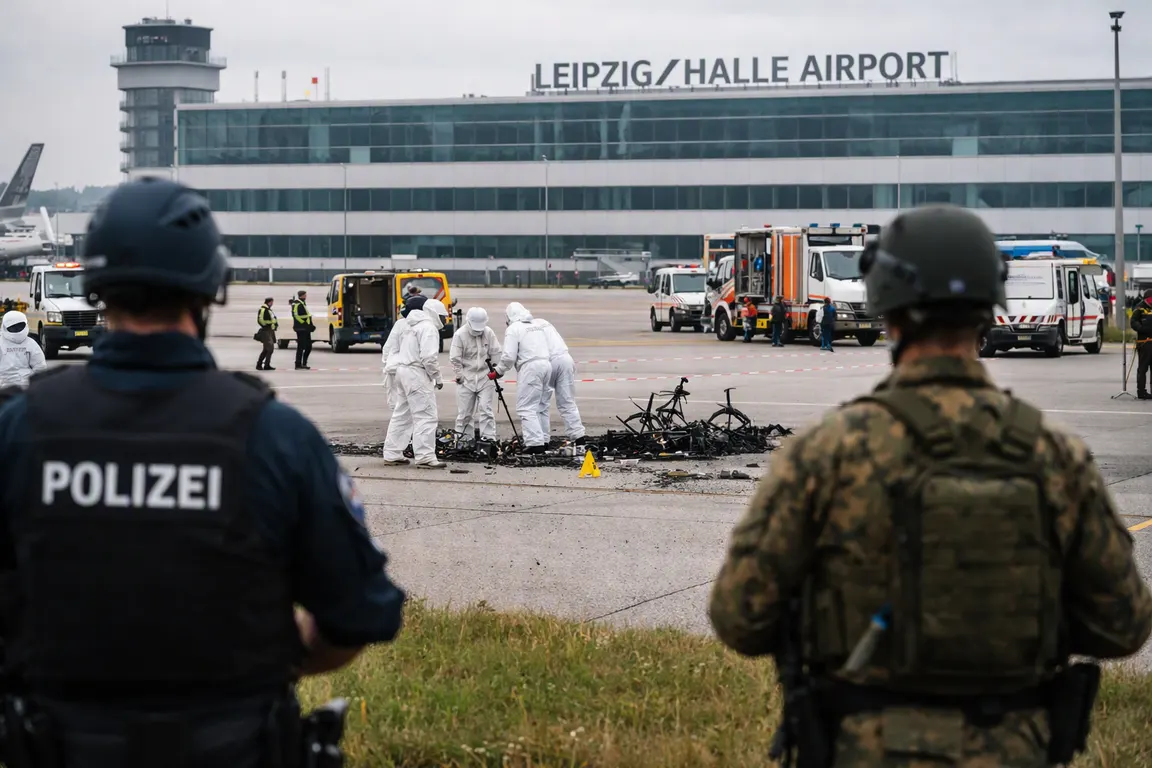
A swarm of explosive‑laden drones was intercepted as it approached Leipzig/Halle Airport on Aug. 4, an incident German officials now attribute to the Russian state. Interior Minister Alexander Dobrindt and Foreign Minister Johann Wadephul said intelligence indicated Russian agencies supplied the drones, provided technical know‑how and recruited operatives for the strike.
Airport radar detected several small drones heading toward the runway. Security teams forced the devices to crash before they could strike. No injuries were reported; damage was limited to a disabled aircraft.
German authorities said the operation fits a broader “hybrid war” campaign aimed at destabilising European societies that support Ukraine. While Western intelligence has warned of Russian hybrid tactics, few governments have publicly linked a specific attack to Moscow without releasing classified evidence. Dobrindt and Wadephul cited “all indications” of Russian involvement but did not disclose the underlying data, prompting analysts to question the strength of the claim.
Leipzig’s passengers and cargo operators felt the immediate impact. Airport authorities have introduced random biometric checks, increased perimeter patrols and deployed additional counter‑drone systems. Flight schedules are being adjusted to allow longer security sweeps, and airlines warned of possible delays in the coming weeks. Regional logistics firms, which rely on the airport for time‑critical shipments, expect short‑term disruptions as they adapt to the heightened procedures.
Beyond the local fallout, the incident could reshape European security policy. Germany said it will consider “counter‑measures” but offered no details. Options under discussion include sharing intelligence with NATO allies, expanding funding for anti‑drone technology at other high‑traffic airports and drafting legal frameworks to speed prosecution of foreign operatives involved in hybrid attacks. The EU’s upcoming security summit is likely to reference Leipzig as a case study for coordinated defence.
Other European hubs are already reviewing their drone‑defence capabilities. Experts note that the low cost and small size of commercially available drones make them attractive tools for covert sabotage, especially when paired with improvised explosives. While no concrete threats have been identified at other airports, the Leipzig incident sets a precedent that could inspire similar plots.
The episode underscores a broader pattern of Russian actions designed to pressure states that back Kyiv. By coupling a tangible threat with a public accusation, Berlin aims to deter future covert operations and to rally a collective European response. The specifics of the announced counter‑measures and the timeline for their implementation remain uncertain, leaving policymakers and the travelling public to watch for the next development.