

Kyrenia Ferry Capsizing Kills Eight, Triggers Safety Review
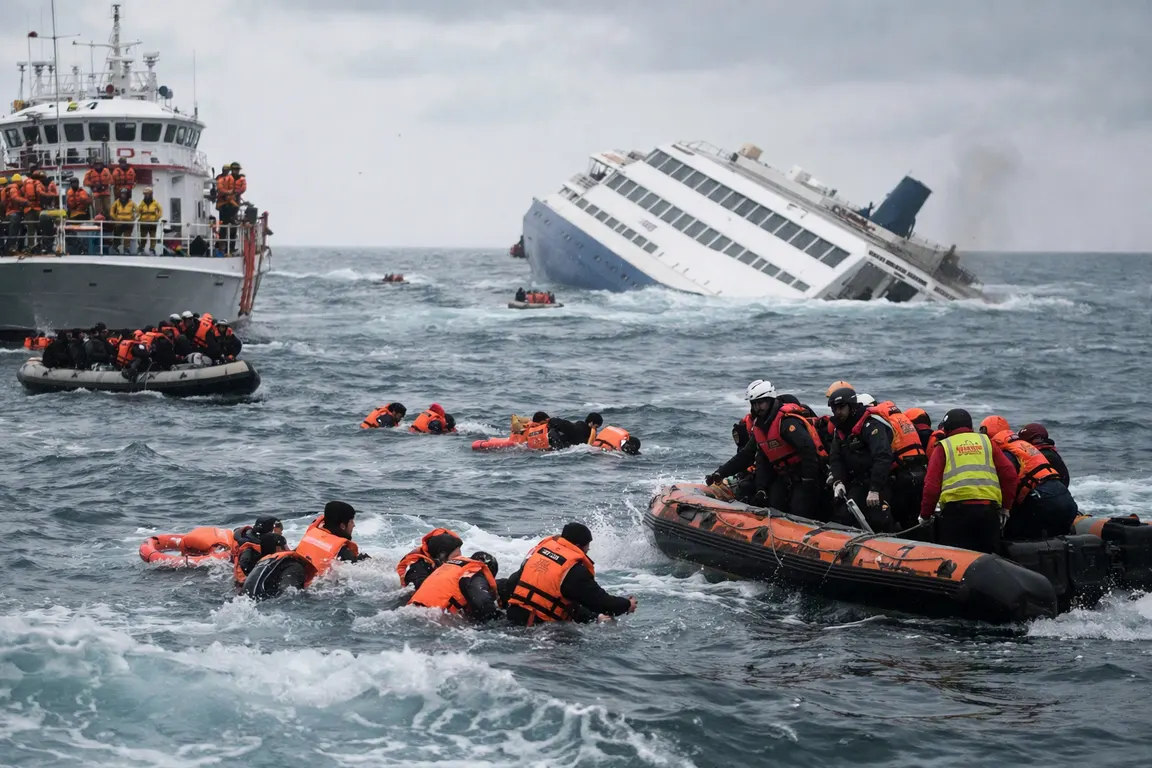
A passenger ferry that left Kyrenia early Sunday capsized within minutes, killing eight people and leaving dozens missing. The vessel, carrying an estimated 270 passengers and crew, overturned shortly after departing the Turkish‑controlled north of Cyprus, sparking a large‑scale search‑and‑rescue effort.
Rescue teams from the Kyrenia coast, the Turkish Republic of Northern Cyprus (TRNC) Coast Guard and civilian volunteers arrived within minutes. Divers and lifeboats recovered bodies while helicopters scanned the water for survivors. By late afternoon officials confirmed eight deaths; many of the missing remain unaccounted for as the operation continues.
The captain and several crew members were detained for questioning, a step reported by the Independent World and the BBC. Authorities have not yet identified a cause, and they are examining weather conditions, possible overloading and mechanical failure.
The accident revives long‑standing concerns about maritime safety in the region. The ferry fleet serving Kyrenia and other coastal towns is aging, and many vessels operate under permits issued decades ago. Critics say inspections are infrequent and crew‑training standards vary, creating gaps that regulators have struggled to close.
TRNC officials said a full investigation will review vessel certification records, crew qualifications and search‑and‑rescue coordination. The Ministry of Transport is expected to tighten certification requirements and increase spot checks, measures that could raise operating costs for ferry operators but aim to improve passenger safety.
Tourism is a major driver of the local economy, and any disruption to ferry services affects hotels, restaurants and other businesses that rely on a steady flow of visitors. Local hotels reported a dip in bookings for the weekend following the capsizing, and operators warned of further cancellations if confidence in maritime transport is not restored.
The diversion of rescue assets also strains other public‑safety services, underscoring how a single maritime accident can ripple through the island’s emergency infrastructure. Industry representatives argue that tighter regulations could strain already thin profit margins, especially during the peak summer season.
Authorities have pledged to release investigation findings as soon as they are available. In the meantime, families of the victims mourn their loss while the broader community watches for potential policy changes that could prevent a similar tragedy.
The incident highlights the need for more rigorous oversight of vessel safety, better crew training and improved emergency response capabilities—issues that will likely shape the next round of regulatory reforms in the TRNC’s maritime sector.