

Kyiv missile strikes hit city as U.S. plans trilateral talks
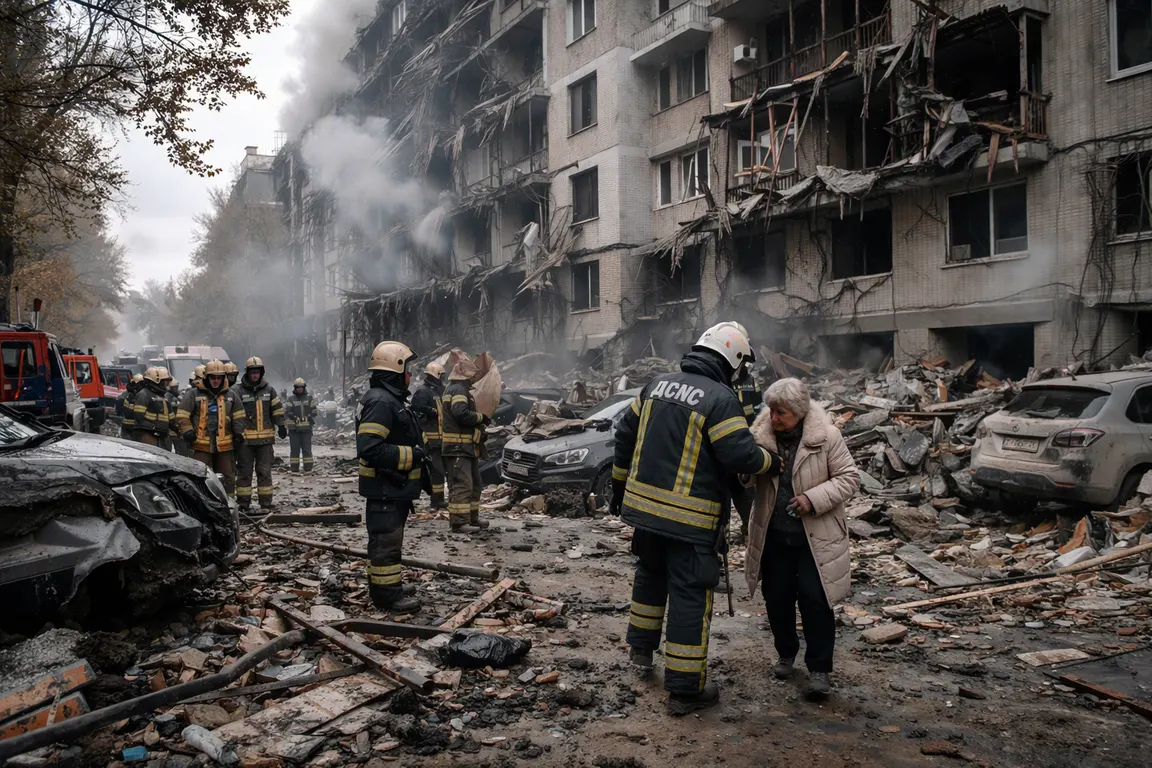
Russia launched three waves of ballistic missiles at Kyiv and surrounding areas on Oct. 22, killing two civilians, wounding 34 and damaging residential blocks, an energy substation, a shopping mall and a monastery, officials said. The Kyiv missile strikes came hours after a Kremlin statement that Moscow was "ready in principle" to resume trilateral talks with the United States and Ukraine, a dialogue slated for November.
The juxtaposition of fresh strikes with high‑level diplomatic signaling forces allies to reassess civilian safety, the resilience of critical infrastructure, and the credibility of any forthcoming peace process. Damage to the power substation threatens electricity reliability ahead of the heating season, while hits on a mall and a monastery underscore the indiscriminate nature of the bombardment.
U.S. envoy Steve Witkoff met President Vladimir Putin in St. Petersburg earlier in October and then traveled to Norway to sit with President Volodymyr Zelenskyy the day before the talks were announced. Kremlin aide Yuri Ushakov later said Moscow was prepared to re‑engage in trilateral negotiations in November, a sentiment echoed by President Donald Trump, who has blocked new sanctions, signed a deal to purchase Russian diesel and expressed optimism about the talks. The missile barrage that followed the announcement highlights a stark disconnect between diplomatic rhetoric and on‑the‑ground actions.
Ukrainian officials also reported that Russian forces downed 808 Ukrainian drones overnight, and stray fire wounded two people in Moscow. Vice‑president JD Vance told Forbes on Oct. 22 that peace remains a "very high mountain" and that the parties remain far apart on key issues. President Putin, in a social‑media post, reiterated that the objectives of Russia’s "special military operation" will be achieved with or without a deal, emphasizing a continued military focus.
The attacks have immediate humanitarian implications. The energy‑substation damage threatens power reliability ahead of the winter heating season, and the strikes on residential areas raise the risk of displacement. Ukrainian authorities have called for accelerated delivery of air‑defence systems from NATO allies.
Allied responses are already shifting. The United Kingdom and several European nations have pledged additional Patriot and NASAMS batteries, while the United States is reviewing further aid packages to shore up Ukraine’s air‑defence network. Energy‑security analysts note that disruptions to Ukraine’s grid could ripple into regional power markets, potentially nudging prices higher as winter approaches.
Diplomatically, the next milestones are the planned November trilateral talks and a summit in China next month involving Trump, Putin and Xi Jinping, according to Kremlin statements. Zelenskyy warned that the missile strikes demonstrate no real change in Russian intent and urged the international community not to equate diplomatic gestures with a reduction in hostilities. Whether the upcoming talks can bridge that gap remains uncertain, and the world will watch closely to see if words can outweigh the continued rain of missiles over Kyiv.