

Kyiv missile attack kills one, injures 22 amid peace‑talk
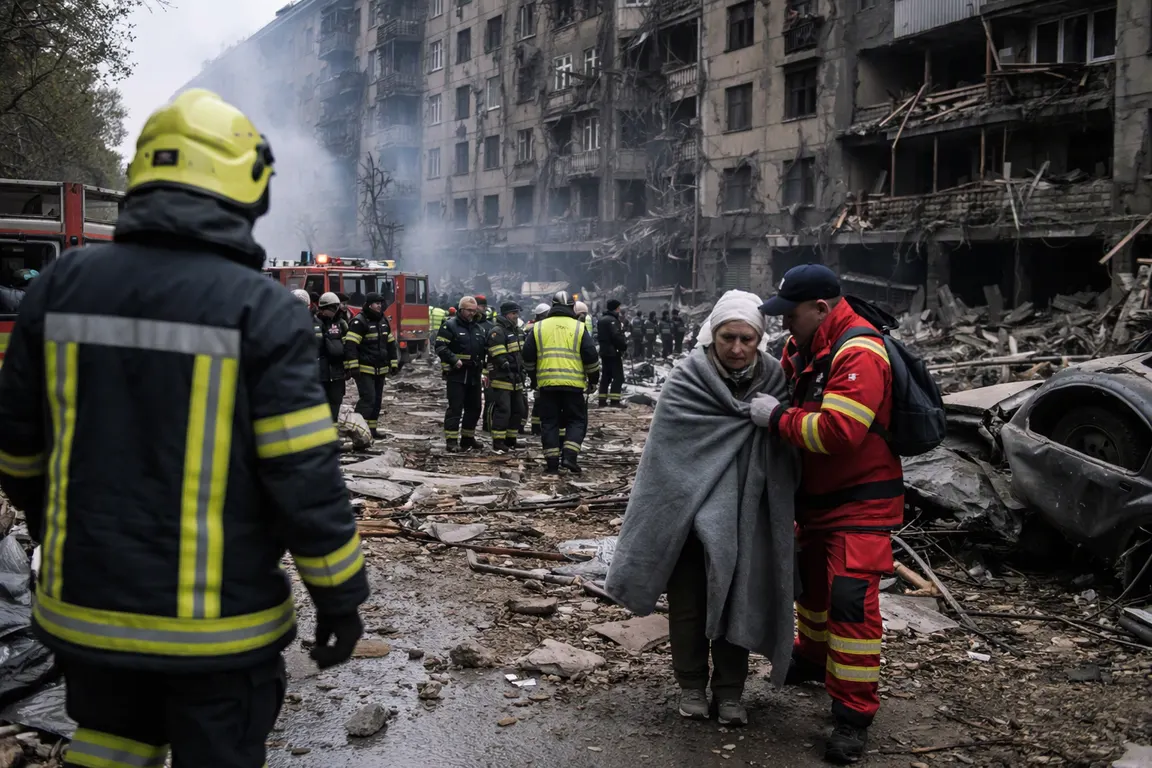
A Kyiv missile attack struck the capital in the early hours of Thursday, killing a civilian and wounding 22 others, just hours after Ukraine signaled a tentative willingness to resume peace talks with Moscow.
Ukraine’s announcement was followed by a meeting in Moscow between U.S. special envoy Steve Witkoff and President Vladimir Putin, according to reports from Al Jazeera and The Independent. Within that narrow window, Russian forces launched ballistic missiles and unmanned aerial systems that hit residential areas of the city.
Ukrainian officials confirmed the casualty figures but gave no details on damage to infrastructure. Hospitals reported a surge in trauma cases, stretching emergency capacity that has been under strain for months. Civil‑defense sirens sounded across the city, and residents were urged to seek shelter.
The timing of the attack highlights the gap between diplomatic rhetoric and the reality on the ground. Kyiv’s authorities stressed the need to protect civilians and keep essential services running, yet the strikes forced emergency crews to conduct rescue operations and clear debris from streets and businesses in the affected districts.
Russian officials have not offered a justification for the barrage, and no independent source has linked the Witkoff‑Putin meeting directly to the launch of the weapons. Media outlets have interpreted the event differently: The Independent framed it as evidence that “talks make no difference,” while Al Jazeera suggested the meeting could have been a catalyst. The New York Post reported only the casualty numbers without drawing a causal connection.
For Kyiv residents, the immediate concern is safety. The city’s civil‑defense system activated sirens and advised citizens to stay in shelters, a routine that now feels increasingly precarious. Local businesses in the impacted neighborhoods temporarily closed as debris and unexploded ordnance were cleared, hinting at short‑term economic disruption and potential longer‑term reconstruction costs.
Diplomatically, the strike arrives at a fragile juncture. Ukraine’s willingness to re‑engage in talks was presented as a step toward de‑escalation, yet the violence suggests that military pressure remains a parallel lever. International partners monitoring the peace process may reassess the viability of negotiations if attacks continue despite diplomatic gestures. The United States, which sent Envoy Witkoff for the meeting, has not publicly commented on any correlation.
As emergency services continue to treat the injured and clear the aftermath, Kyiv authorities reiterated calls for civilians to remain vigilant and for the international community to support humanitarian relief. The next phase of the peace‑talk initiative remains uncertain; whether the recent violence will pause diplomatic efforts or reinforce the urgency of a negotiated settlement will shape the weeks ahead.