

Kyiv early warning missile alert absent during Russian
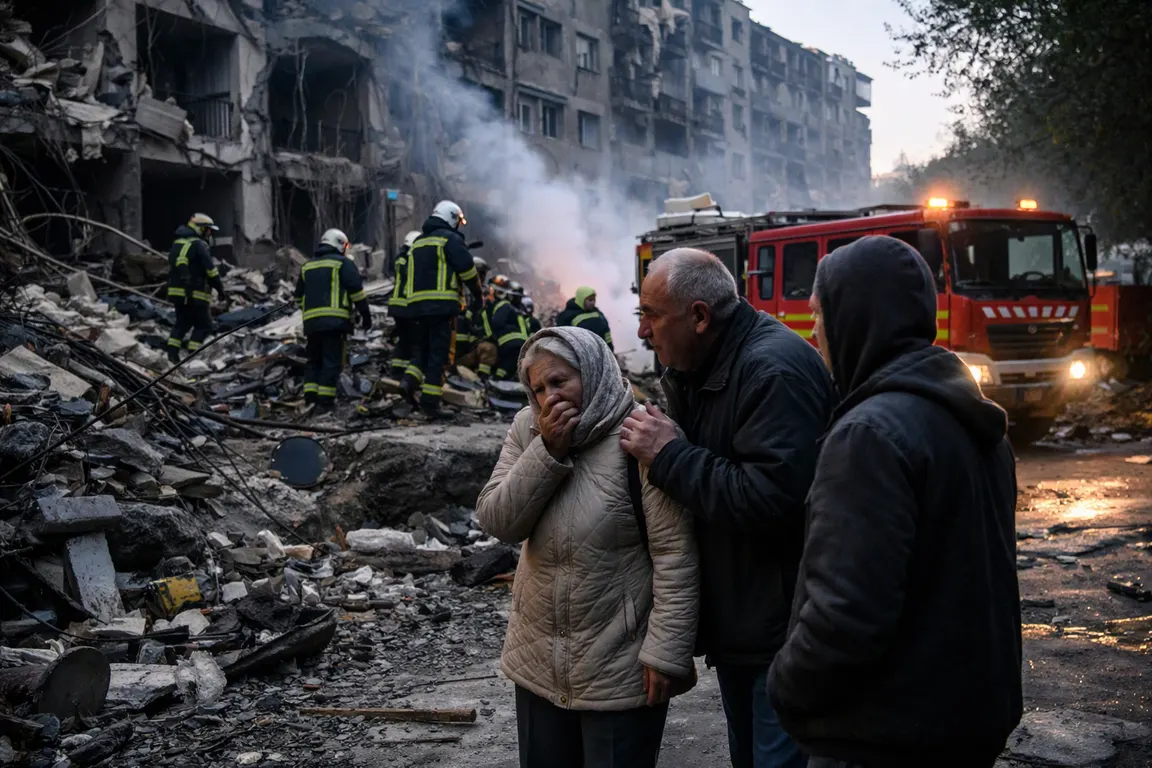
A Russian ballistic missile barrage hit Kyiv in the early hours of Oct. 12‑13, 2026, killing civilians and damaging infrastructure. Ukrainian officials say the city received no advance warning from its Western partners, leaving residents and emergency services with little time to seek shelter. The lack of a Kyiv early warning missile alert meant the siren system did not activate before the missiles arrived.
President Volodymyr Zelenskyy posted on X that the attack was "particularly vile" and highlighted the absence of early‑warning alerts that normally trigger the city’s siren system and give people a chance to take cover.
The claim comes amid growing tension between Kyiv and Washington. The United States, under President Donald Trump, has warned it may suspend the Prioritised Ukraine Requirements List (PURL) and reduce intelligence sharing if Ukraine does not halt strikes on Russian energy facilities. Trump recently announced a deal with Russian President Vladimir Putin to import Russian diesel, calling it an "energy ceasefire" and blaming Ukrainian attacks for rising U.S. diesel prices.
Ukrainian officials say they have refrained from targeting Russian oil refineries for at least two days following the announcement, but they also report that U.S. officials warned of cutting off missile‑launch data and other support if Kyiv violated the alleged ceasefire.
Kyiv’s air‑raid siren system, which relies on real‑time data from partner nations, did not activate before the missiles arrived. Emergency responders, already stretched by a series of attacks across the country, faced delayed notification, complicating rescue and medical efforts. The lack of timely intelligence also hampers the allocation of air‑defence assets, reducing the ability to intercept future strikes.
Sources differ on the scope of the alleged U.S. intel cut‑off. ZeroHedge links the warning gap directly to U.S. threats, citing unnamed partners and a potential suspension of PURL. The Guardian reports a general "lack of early warning" without assigning blame, while the Manila Times notes Zelenskyy’s statement but does not attribute responsibility. No official U.S. statement has confirmed a halt to missile‑launch intelligence; a White House spokesperson said the administration would "get back" to inquiries on the matter.
Russia said it used more than 100 weapons in attacks across Ukraine that night, including the missile strike on Kyiv and additional strikes on Kharkiv that killed four people. The scale of the offensive underscores why early‑warning systems are considered a critical layer of civilian protection in modern conflicts.
If the intelligence gap proves to be a policy decision, it could reshape alliance dynamics. Continued U.S. pressure on Ukraine to cease energy‑site attacks may force Kyiv to weigh the benefits of limited weapons and intelligence support against the risk of increased civilian casualties. European partners, who also contribute to the early‑warning network, have not publicly commented on any change to data sharing.
The situation leaves several unanswered questions. Kyiv must determine whether alternative channels can compensate for any shortfall in partner alerts, and NATO allies may need to clarify the parameters of their intelligence commitments. For now, the silence of Kyiv’s sirens serves as a stark reminder that disruptions in the intelligence chain can have immediate, life‑changing consequences for civilians caught in the crossfire.