

Kosovo war crimes verdict: Thaci sentenced to 25 years
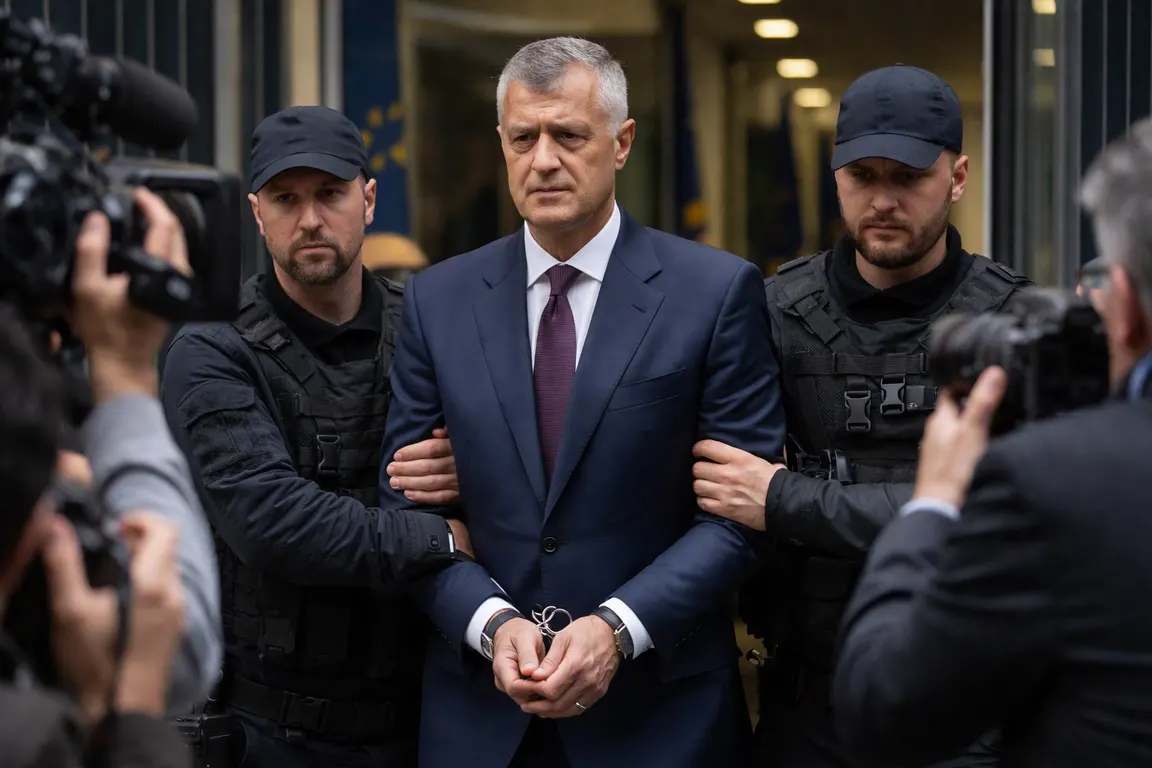
The Kosovo war crimes verdict was delivered by the Specialist Chambers in The Hague, sentencing former president Hashim Thaci to 25 years in prison for atrocities committed during the 1998‑99 Kosovo conflict. The ruling is one of the few instances a Balkan head of state has been held criminally accountable for war crimes.
Thaci, who led Kosovo from 2011 to 2020, was convicted alongside three former wartime commanders for a series of offenses tied to the 1998‑99 war between Kosovo Albanian forces and Serbian authorities. Prosecutors sought a 45‑year term, but judges settled on 25 years, a decision not fully explained in public filings.
The United Nations‑backed tribunal, which has jurisdiction over crimes committed in Kosovo between 1998 and 2000, based its judgment on two years of evidence, including survivor testimony, forensic analysis of mass graves and documentation of forced displacement. The charges cover murder, persecution and other inhumane acts that qualify as crimes against humanity under the Rome Statute.
International reaction was measured. The European Union, which links Kosovo’s EU‑membership prospects to rule‑of‑law reforms, welcomed the verdict as a step toward accountability but stopped short of tying it to any immediate policy change. Serbia, which still disputes Kosovo’s independence, said it was satisfied a former Kosovo leader faced punishment, a stance that could shape future diplomatic talks.
Domestically, the sentence is expected to reverberate through Kosovo’s political landscape. Thaci’s Democratic Party of Kosovo remains a major force, but his incarceration could trigger internal restructuring or a leadership contest ahead of the next parliamentary elections. Opposition parties have called for a broader review of wartime conduct among all former leaders, suggesting the verdict could spark a wider reckoning.
For victims and their families, the judgment provides formal acknowledgment of suffering that has long been denied. Legal scholars note that while the sentence does not automatically grant reparations, it creates a factual record that could support future civil claims. The court has not indicated whether any time already served will be credited, nor has it set a timeline for Thaci’s appeal, which is expected within weeks.
The case sets a precedent for other Balkan leaders accused of wartime atrocities. Observers say the tribunal’s willingness to prosecute high‑ranking officials may encourage similar actions in Bosnia, Croatia and elsewhere, where unresolved grievances persist.
As the Kosovo Specialist Chambers moves to the appellate phase, the international community will watch how the ruling influences Kosovo’s reform agenda, its EU integration timeline and broader efforts to enforce accountability for war crimes in the region.