

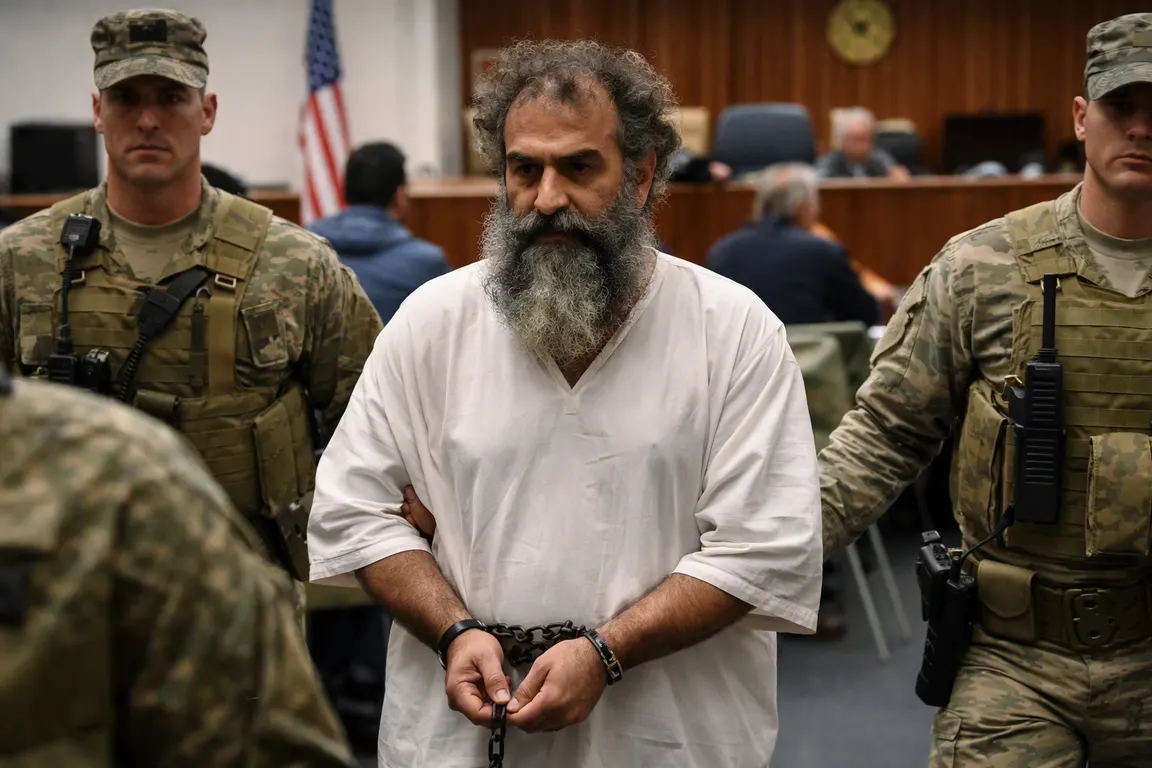
A U.S. military judge has set the Khalid Sheikh Mohammed trial to begin in June 2028. The date marks the first full‑scale courtroom proceeding for a 9/11 suspect since the attacks and follows a 2023 appellate ruling that rejected a plea deal that would have avoided a death‑penalty trial.
Mohammed has been detained at Guantanamo Bay since 2006. Over the past two decades the case has faced a series of legal and logistical hurdles, including the disputed plea offer, extensive evidence collection by the Department of Defense, and repeated calls from victims’ families for a definitive hearing. The June 2028 schedule signals that the military‑commission system is ready to move forward, raising questions about its efficiency, the future of Guantanamo, and the United States’ ability to try high‑profile terrorism cases.
The trial will be conducted under the military‑commission framework created after the 2001 attacks. Prosecutors have spent years compiling classified intelligence, forensic evidence and witness testimony, much of it gathered overseas. Defense counsel, many specialists in military law, plan to challenge the admissibility of evidence and the commissions’ jurisdiction. The 2023 appellate decision that dismissed the plea offer forced the case back onto the commission track and eliminated the possibility of a civilian‑court resolution that some scholars have advocated.
Victims’ families have repeatedly urged a timely trial, arguing that prolonged detention without a verdict hampers closure. While the June 2028 date provides a concrete timeline, families remain wary of further delays from pre‑trial motions, security concerns or appeals. Advocacy groups note that a high‑profile trial that proceeds to sentencing could influence congressional and executive decisions about the future of Guantanamo Bay.
Legal experts say the use of military commissions reflects a balance between national‑security concerns and procedural constraints. The commissions allow classified evidence to be presented with protective measures, but critics argue they lack some safeguards of the federal judiciary. The upcoming trial will test whether the commissions can handle a case of this magnitude while preserving fairness and transparency.
The Department of Defense has said it will continue to coordinate witness protection, evidence security and logistical support in the months leading up to the trial. Pre‑trial hearings are expected to focus on motions over evidence admissibility and the scope of classified material. Observers anticipate close scrutiny from policymakers, scholars and the public, given the case’s symbolic weight.
As the June 2028 start date approaches, the United States faces a pivotal moment. The trial will determine Mohammed’s fate and serve as a barometer for the military‑justice system’s capacity to deliver accountability in the post‑9/11 era. Upcoming steps include finalizing the trial docket, confirming the roster of defense and prosecution counsel, and addressing outstanding security protocols. Whether the trial proceeds without further postponement will shape ongoing debates about Guantanamo’s role, the future of military commissions and the nation’s commitment to justice for the September 11 attacks.