

Kfar Aza reconstruction marks 3rd anniversary of Oct. 7
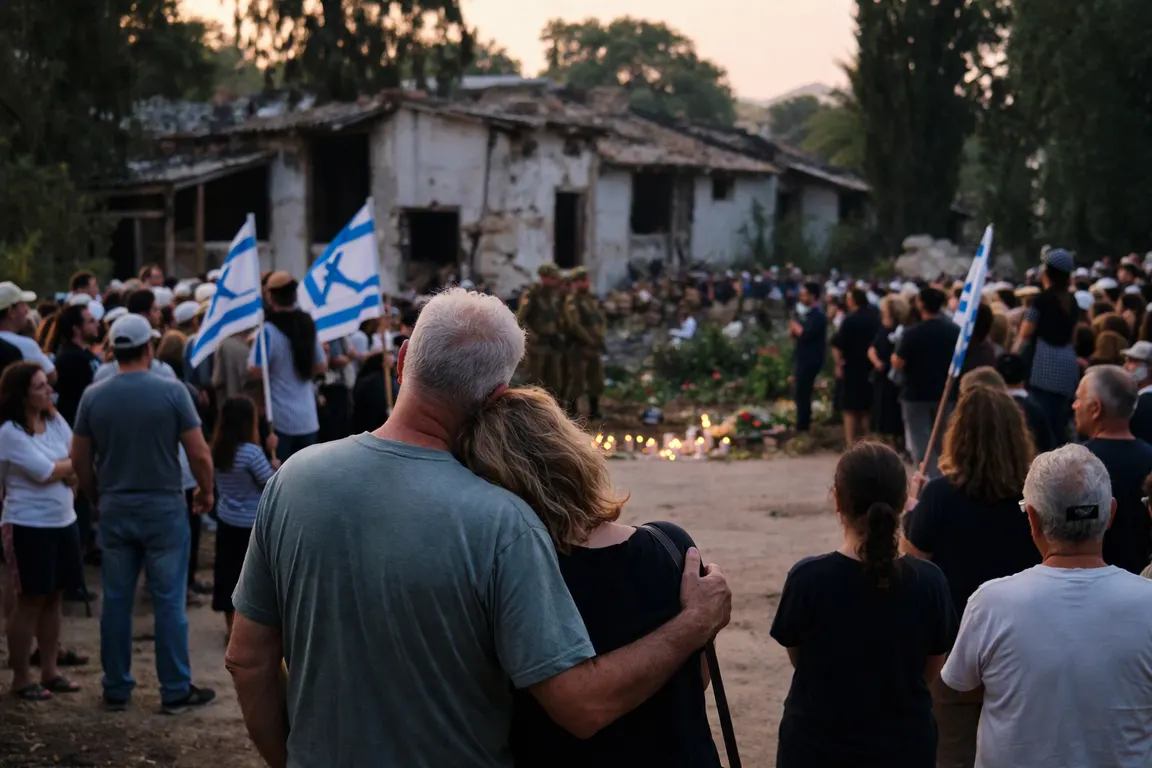
At 6:29 a.m. on Oct. 7, a siren sounded over Kibbutz Kfar Aza as Hamas militants breached Israel’s southern border. Three years later, residents gathered at the same hour to remember the assault that killed 1,200 Israeli civilians and left 251 hostages, according to NBC News. The ceremony highlighted the lingering human toll on Israel’s frontline kibbutzim and the practical challenges of Kfar Aza reconstruction, including homes, utilities and a sense of security.
In Kfar Aza, a memorial plaque marks the moment of the breach, and families placed flowers beside a shattered wall that once housed a kindergarten. The kibbutz’s emergency shelter, which saved dozens on Oct. 7, now displays personal belongings recovered from the rubble.
Nearby Nir Oz, where 47 residents were killed and 76 taken hostage, saw a small group of former inhabitants return to charred foundations. BBC News reported that reconstruction crews are clearing debris and installing temporary power lines, but permanent housing remains months away.
The Israeli Defense Forces recently displayed a Hamas tunnel used to abduct 18 soldiers and civilians on Oct. 7, a detail highlighted by the New York Post. The tunnel, extending several hundred meters beneath the border, underscores the premeditated nature of the attack and is intended to inform future border defenses, though analysts caution that it offers limited insight into the broader tunnel network.
Rebuilding is hampered by material shortages, rising construction costs and the need to harden structures against future incursions. The Ministry of Defense has earmarked additional funds for “frontline resilience,” but budget analysts note that the required investment—estimated in the hundreds of millions of shekels—will strain Israel’s defense spending. The ongoing Gaza war, which has claimed more than 75,000 Palestinian lives according to multiple sources, limits regional labor and supplies, further slowing reconstruction.
Across the country, Israelis marked the Oct. 7, 2024 anniversary with candlelight vigils and moments of silence, as reported by Al Jazeera. This year, the focus shifted to concrete steps needed to rebuild communities on the front line of a protracted conflict. Local councils in the Negev are coordinating with NGOs to provide temporary housing, mental‑health services and employment programs for displaced families.
The next critical step is the Israeli government’s upcoming allocation of emergency reconstruction grants, slated for Knesset discussion next month. Lawmakers will weigh the urgency of restoring civilian infrastructure against competing security priorities. As survivors in Kfar Aza and Nir Oz look toward new roofs and repaired roads, the unresolved question remains: how will Israel balance immediate safety and shelter needs with the long‑term goal of preventing another breach while the broader war in Gaza continues to shape the region’s demographic and economic landscape?