

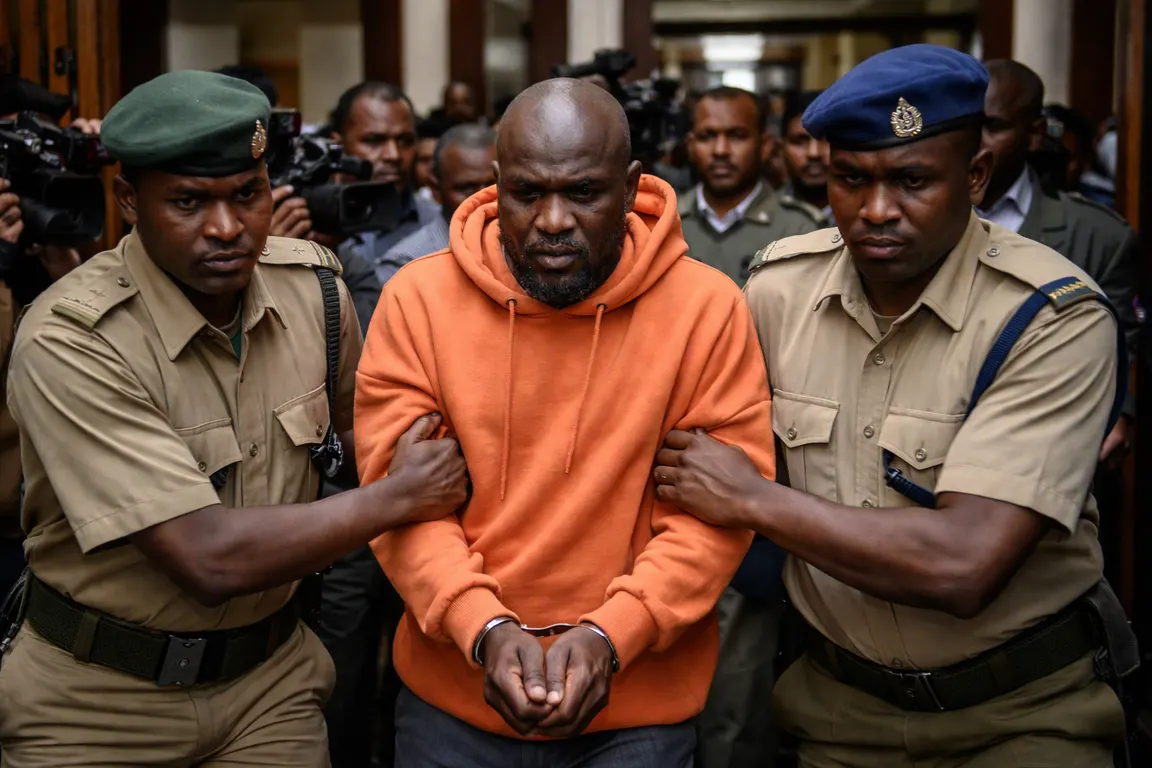
A Nairobi court on Tuesday delivered the Shakahola cult leader sentencing, giving Paul Mackenzie, the self‑styled pastor behind the starvation cult, a life term after finding him guilty of 191 murders, most of them children. The verdict marks the first legal ruling in a case that exposed how an unregistered religious movement operated unchecked in remote parts of Kenya.
Prosecutors said Mackenzie taught that salvation required total abstention from food and instructed parents to withhold meals from their children. Families that followed the doctrine starved their children in the dense forest, leading to the mass deaths.
Investigators entered Shakahola Forest after locals reported a foul smell and missing persons. Teams recovered more than 400 bodies, a figure that exceeds the 191 murder counts for which Mackenzie was convicted, indicating many victims remain unidentified.
The court found Mackenzie personally responsible for each homicide, concluding that his instructions directly caused the deaths. He received a life sentence; the judgment did not specify additional penalties or restitution for surviving relatives.
The case highlights gaps in Kenya’s child‑protection framework and the oversight of unregistered religious groups. Existing law requires religious organisations to register, but enforcement has been uneven, especially in isolated communities where trust in state institutions is low.
In response to the conviction, Kenyan authorities said they will review regulations governing religious organisations, though no concrete policy changes have been announced. Law‑enforcement officials said investigations will continue to locate remaining bodies and assess whether other unregistered groups pose similar risks.
Humanitarian organisations are mobilising to provide counselling and financial assistance to the families of the 191 children and to the broader community shaken by the tragedy.
The Ministry of Children and the National Council for Child Welfare now face pressure to strengthen early‑warning mechanisms, improve community outreach, and act swiftly on reports of coercive religious practices. Without clear guidelines and resources, the systemic vulnerabilities that allowed the cult to thrive are likely to persist.
As Kenya grapples with the aftermath, the next step will be to translate the court’s ruling into actionable reforms. Whether new legislation will be introduced or existing statutes will be enforced more rigorously remains an open question that will shape the country’s ability to protect vulnerable families from extremist ideologies.