

Kenya records first Ebola case as DRC outbreak worsens
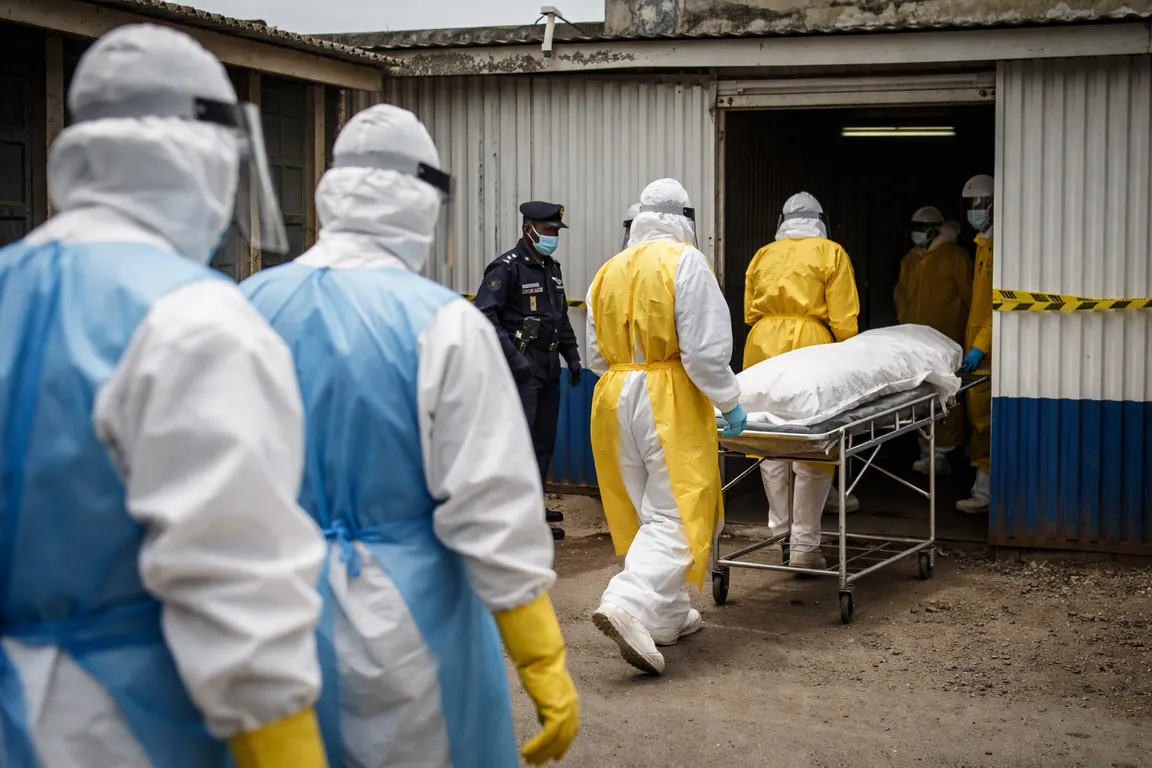
Kenya’s health ministry confirmed Monday that a Kenyan citizen who returned from the Democratic Republic of Congo died of Ebola, marking the country’s first Kenya Ebola case. Health Minister Aden Duale said the patient was admitted to a Nairobi hospital and died within hours, and that 28 close contacts have been identified for monitoring.
The patient had been living in North Kivu province, where the Zaire strain of Ebola has circulated for months. He arrived in Nairobi on Saturday via Jomo Kenyatta International Airport and fell ill shortly after reaching the city.
Kenya’s epidemic‑control framework mandates a statutory response to imported cases. Contact‑tracing teams are interviewing family members, fellow travelers and health‑care workers. The 28 contacts—including relatives who cared for the patient, airport staff who handled his luggage and clinicians who treated him—are under active surveillance with daily temperature checks and movement restrictions. Any who develop symptoms will be isolated.
The DRC outbreak, now in its fifth year, has claimed more than 4,000 lives in 2024 and is in its third wave, spreading across several provinces and straining local health facilities. The World Health Organization and Africa Centres for Disease Control have warned that neighboring countries face heightened risk as people move for trade, family visits and humanitarian work.
Kenya’s response includes mobilising additional resources to its national public‑health emergency operations centre, deploying personal protective equipment to hospitals in Nairobi and other major cities, and issuing updated guidelines on triage, isolation and specimen handling. Travelers from the DRC are now required to submit health declarations and undergo temperature screening at points of entry.
The immediate impact falls on the patient’s family, who must cope with loss and possible quarantine, and on the identified contacts, who face movement restrictions and stigma. Health‑care workers who treated the patient are also at heightened risk, prompting calls for reinforced training and protective gear.
Authorities pledged daily briefings to keep the public informed and said they will continue monitoring the contacts, report to the WHO and review border health protocols to close screening gaps. The case underscores Kenya’s vulnerability to cross‑border transmission and the need for rapid identification of contacts and strict quarantine measures to prevent the virus from establishing a foothold in a health system already stretched by other public‑health challenges.