

Israeli airstrikes kill civilians in southern Lebanon
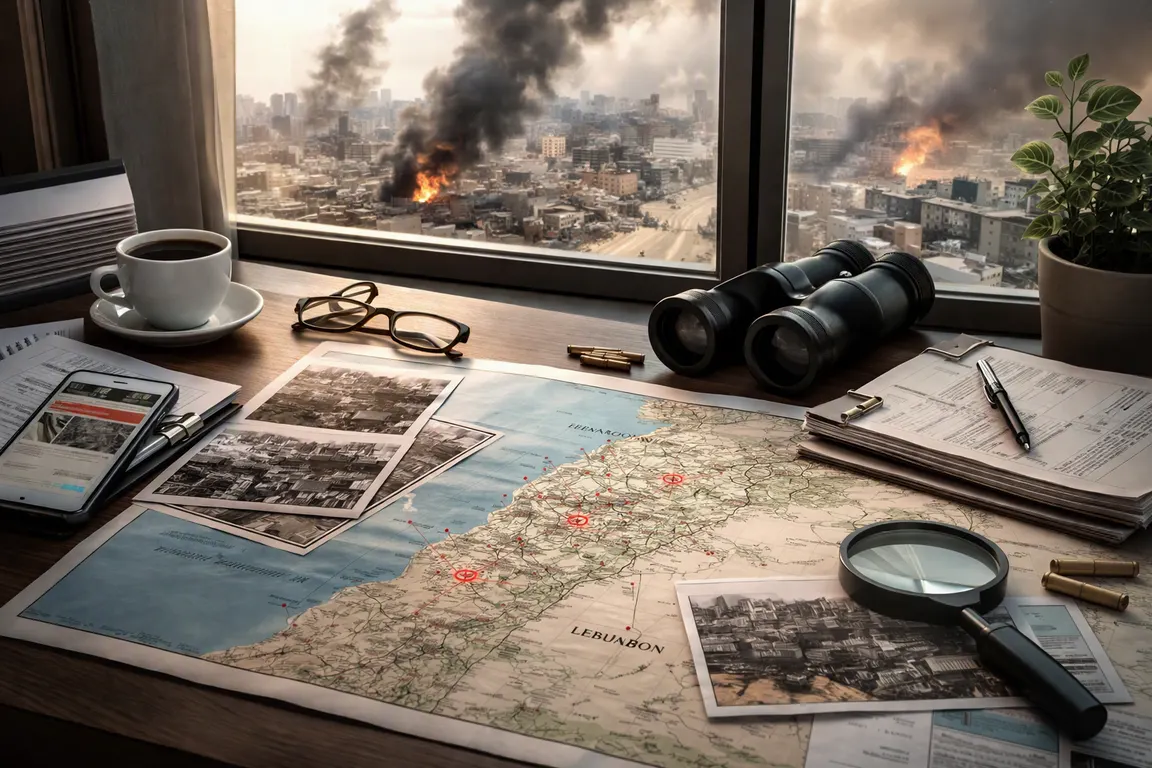
At dawn on Sunday, Israeli airstrikes in southern Lebanon hit several sites, killing at least ten civilians, including two medics, and flattening parts of the village of Kfar Reman.
The attacks are the deadliest single‑day escalation in weeks and come as Washington tries to finalize a fragile cease‑fire between Israel and Hezbollah. Lebanese President Joseph Aoun appealed to the United States to intervene and stop the strikes, warning that the violence could unravel months of back‑channel negotiations.
According to Al Jazeera, a bomb struck a residential building in Kfar Reman, killing nine civilians. A separate drone strike elsewhere took the lives of two medics. The BBC confirmed nine civilian deaths in the residential blast but did not mention the medics. Other outlets have reported death tolls ranging from seven to eleven, reflecting the difficulty of verification in the immediate aftermath.
No Israeli official has commented on the targets or acknowledged civilian casualties. Analysts note that the strikes may have been aimed at Hezbollah positions, but the lack of an official explanation leaves open the possibility that civilian structures were hit inadvertently.
The human toll extends beyond the fatalities. Families in Kfar Reman and nearby villages face displacement, trauma, and an urgent need for shelter, food and medical care. The loss of two medics further strains Lebanon’s already overstretched health system, which is coping with a surge of wounded civilians.
Economically, renewed fighting threatens Lebanon’s fragile market and could disrupt trade routes that run through the south, raising concerns for regional investors and the broader Middle‑East economy. A collapse of the U.S.-brokered cease‑fire could reignite full‑scale hostilities and draw in external actors, deepening the humanitarian crisis.
International response has been measured. The United Nations called for an immediate investigation into the civilian deaths, and the European Union urged restraint on all sides. The United States, still acting as a mediator, has not issued a formal condemnation but has signaled willingness to apply diplomatic pressure if the violence escalates.
Lebanese authorities announced plans to document the damage and request humanitarian assistance, though concrete aid has yet to arrive. Observers say the absence of a clear Israeli account hampers accountability and underscores the need for an independent inquiry.
As the region holds its breath, the key question is whether diplomatic overtures can halt the violence before further civilian casualties occur and the tentative cease‑fire collapses entirely.