

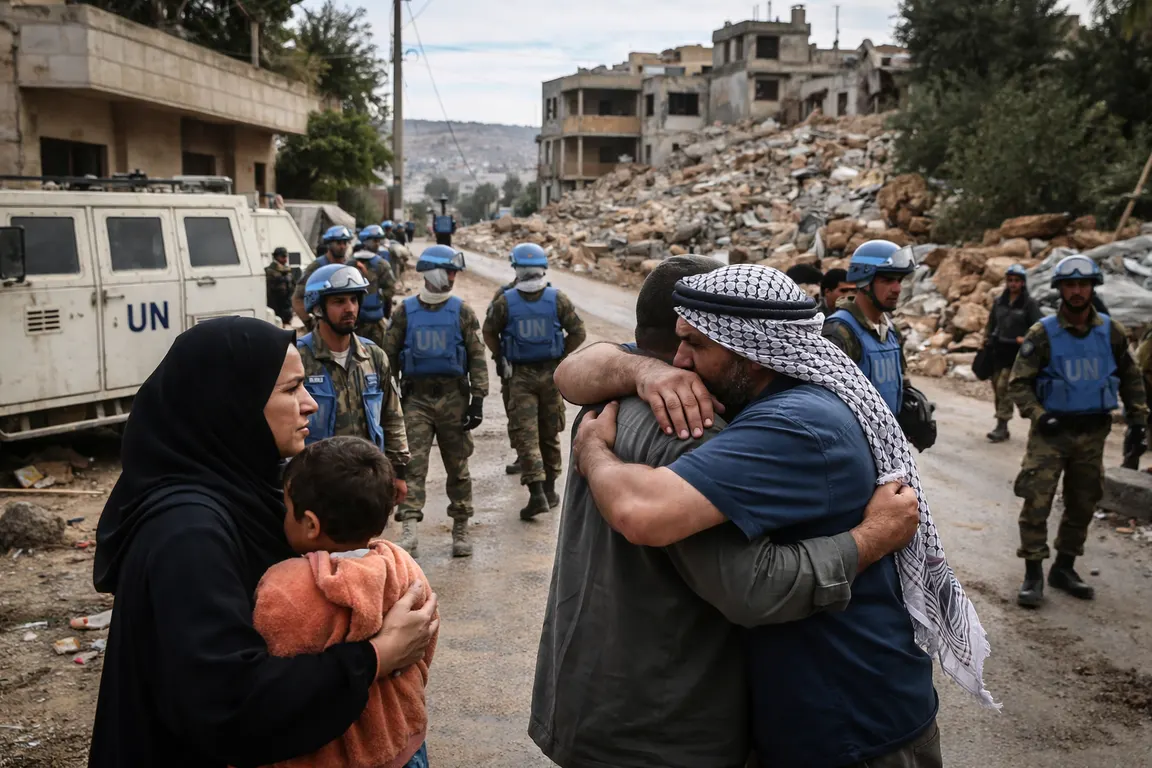
A ceasefire agreement between Israel and Hezbollah has been reached, following a recent flareup of violence in Lebanon that resulted in the deaths of at least 47 people. The agreement comes after retaliatory airstrikes in southern Lebanon and the Bekaa valley, as well as the killing of four Israeli soldiers by Hezbollah.
The US has announced new talks between Israel and Lebanon in Washington, in an effort to build on the ceasefire and work towards a long-term peace deal. The talks aim to resolve outstanding issues, including Israel's occupation and Hezbollah's arsenal, which threaten the stability of the region.
The ceasefire is a significant development, but it is fragile and hangs in the balance. The US and Iran have a memorandum to end their conflict, but the agreement leaves many issues unresolved. The cancellation of the US-Iran meeting in Switzerland due to discrepancies in the sources regarding the start of long-term peace talks has raised concerns.
The sequence of events, including the US-Iran memorandum, the cancellation of the US-Iran meeting, the flareup of violence in Lebanon, and the subsequent ceasefire agreement, has created a complex situation. The key issues that need to be resolved for a long-term peace deal between Israel and Lebanon include Israel's occupation and Hezbollah's arsenal.
The people of Lebanon and Israel are directly affected by the conflict and the ceasefire, with potential implications for the broader Middle East region. If the ceasefire between Israel and Hezbollah collapses, the consequences could be severe, with potential implications for the entire region.
The next step will be the talks between Israel and Lebanon in Washington, which will aim to resolve the outstanding issues and achieve a long-term peace deal. The success of these talks is crucial for the stability of the region and the success of the US-Iran deal. The US will play a key role in facilitating the talks and helping to build a lasting peace in the region.