

Irkutsk plague lab death prompts US travel ban and WHO probe
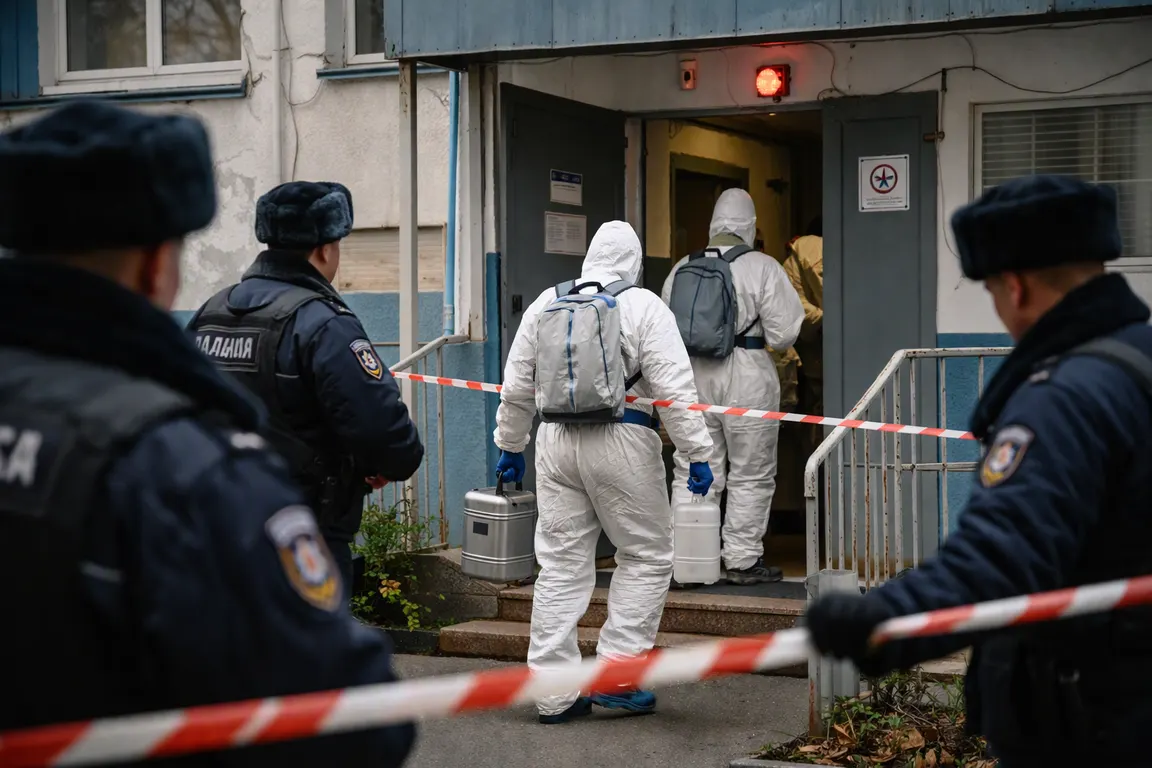
A laboratory technician at a pneumonic‑plague research center in Irkutsk died on Oct. 2, prompting local quarantines, a renewed U.S. “Do Not Travel” advisory and a World Health Organization investigation. The incident, referred to as the Irkutsk plague lab death, has raised concerns about bio‑security and travel safety.
The worker, Darya Shipilova, was found dead at the facility. Russia’s health watchdog, Rospotrebnadzor, tested roughly 60 percent of identified contacts and reported no plague infections, finding only two COVID‑19 cases and two rhinovirus cases. Local officials said nearly 200 people were placed under quarantine and several regional hospitals were temporarily closed while the situation was assessed.
On Oct. 6 the U.S. Embassy in Moscow reinstated a Level 4 “Do Not Travel” advisory, urging Americans to leave Russia immediately. The State Department said senior officials had opened direct contacts with Moscow and that the administration had requested a detailed account of Shipilova’s death. A call between President Donald Trump and President Vladimir Putin was scheduled to discuss the matter.
The World Health Organization announced on Oct. 7 that it would launch an investigation into reports of a possible second plague case linked to the Irkutsk lab. WHO officials said they are pressing Russian authorities for full transparency and access to relevant data. The U.S. Centers for Disease Control and Prevention said it is coordinating with the State Department, the WHO and other agencies to monitor the situation and advise American travelers.
Kremlin spokespeople have downplayed the episode, urging the public to ignore “rumors” of a plague outbreak. The contrast between Russian officials’ claim that no plague was detected and the U.S. and WHO calls for more information underscores ongoing tensions over data sharing in public‑health emergencies.
For residents of Irkutsk and surrounding districts, the quarantine has disrupted access to medical services and heightened anxiety. Hospital closures force patients to travel farther for care, and uncertainty about the cause of Shipilova’s death fuels community concern.
International travelers, especially Americans, face abrupt itinerary changes and heightened safety alerts. Airlines have begun adjusting routes that pass through Russian airspace, and travel insurers are revising coverage terms for the region.
The incident also shines a spotlight on plague‑vaccine development. Biotech firms working on Yersinia pestis countermeasures may see increased interest from governments seeking to bolster preparedness, potentially shifting funding priorities.
Trade linked to Siberia could experience short‑term disruptions as quarantine zones limit movement of goods and workers. Logistics companies are monitoring the situation closely, and some have already rerouted shipments to avoid the affected districts.
The next steps depend on the WHO investigation and the information Russia provides to foreign partners. If the probe confirms the absence of plague, the travel advisory could be eased, but the episode will likely leave a lasting imprint on how quickly health threats are communicated across borders. Additional cases would likely tighten restrictions further, underscoring the need for transparent, coordinated response mechanisms in future bio‑security incidents.