

Irkutsk plague lab death prompts call for data transparency
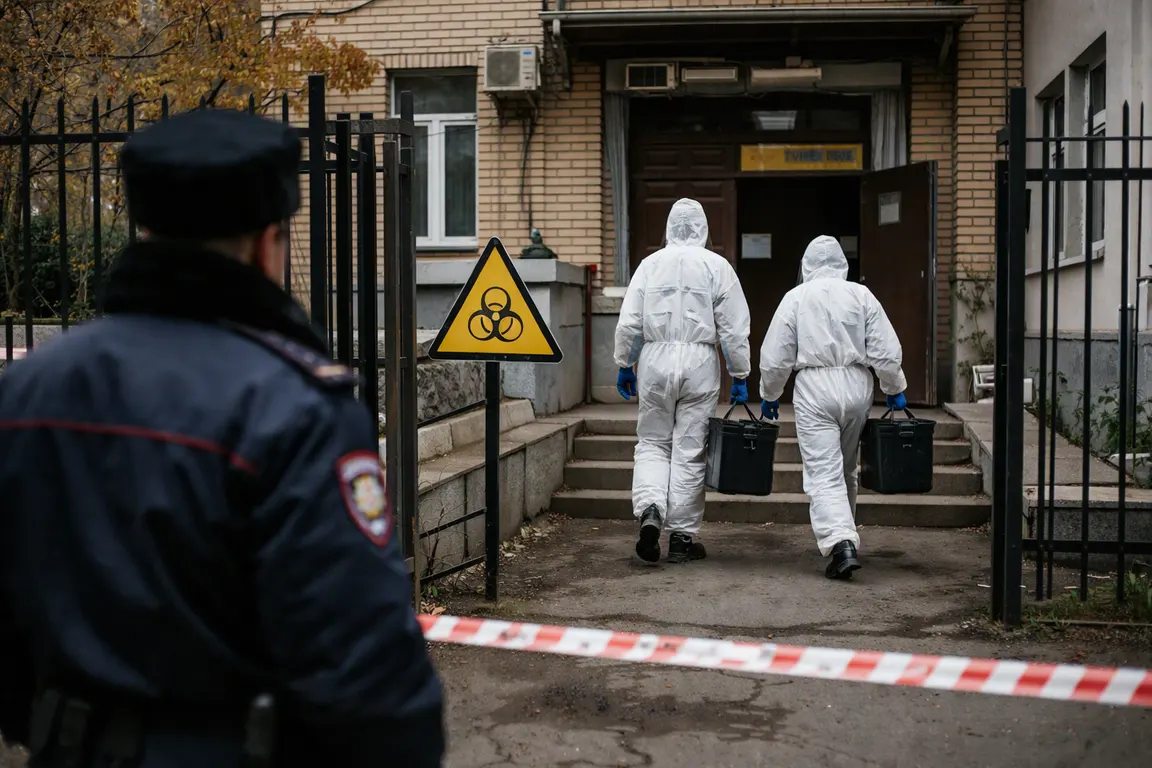
A 28‑year‑old laboratory worker at Russia’s Irkutsk anti‑plague institute died on Oct. 19 after developing flu‑like symptoms, prompting a multinational request for full information on a possible pneumonic plague case.
The World Health Organization said it does not have a complete picture of the incident, and the United States has formally asked Moscow for detailed laboratory data. President Donald Trump scheduled a call with President Vladimir Putin to discuss the case and the need for transparent reporting.
Russian health officials said post‑mortem tests confirmed pneumonia but did not detect Yersinia pestis, the bacterium that causes plague, leaving the cause “undetermined.” The national health watchdog, Rospotrebnadzor, denied that any special anti‑plague measures were in effect and said no plague cases had been confirmed in Irkutsk, contradicting early media speculation about a broken test‑tube accident.
Under the International Health Regulations, the WHO urged Russia to share all relevant findings so the global community can assess the risk. On Oct. 22 the U.S. State Department issued a diplomatic demarche requesting the data, and Secretary of State Marco Rubio reiterated the call for transparency while speaking in Iceland the following day.
The uncertainty matters because pneumonic plague can spread from person to person through respiratory droplets, a scenario that would require rapid containment. Russian authorities have placed up to 200 contacts of the deceased under quarantine and are monitoring for additional cases. If plague is confirmed, travel advisories, airport screening and possible restrictions on Siberian trade routes could follow.
U.S. officials have framed the episode as a public‑health issue rather than a security threat. President Trump, speaking on Oct. 23, downplayed speculation that the death was linked to a bioweapon and confirmed the upcoming call with Putin, scheduled for the Russian leader’s birthday on Oct. 7. The mixed messaging—early hints of a bioweapon possibility followed by reassurance—has added diplomatic tension.
The case also tests the robustness of disease‑reporting protocols. The WHO’s request highlights how international health surveillance depends on timely, accurate data from national authorities. Delays force other nations to allocate resources to independent monitoring, diverting attention from other health priorities. The United States is preparing an intelligence briefing on Oct. 24 to evaluate the situation and advise on any policy response.
For residents of Irkutsk and surrounding areas, the immediate concern is exposure risk. Health officials have urged anyone who developed fever, cough or shortness of breath after contact with the deceased to seek medical care. The broader international community is watching to see whether Russia will provide the data the WHO deems essential for a comprehensive risk assessment.
The next step is a clearer picture from Moscow. Whether further laboratory findings confirm or rule out plague will shape travel guidance, resource allocation and the future of multilateral health cooperation. Until then, the case underscores how a single unexplained death can strain global disease‑surveillance systems.