

Irkutsk Hospital Quarantine After Technician Death, US
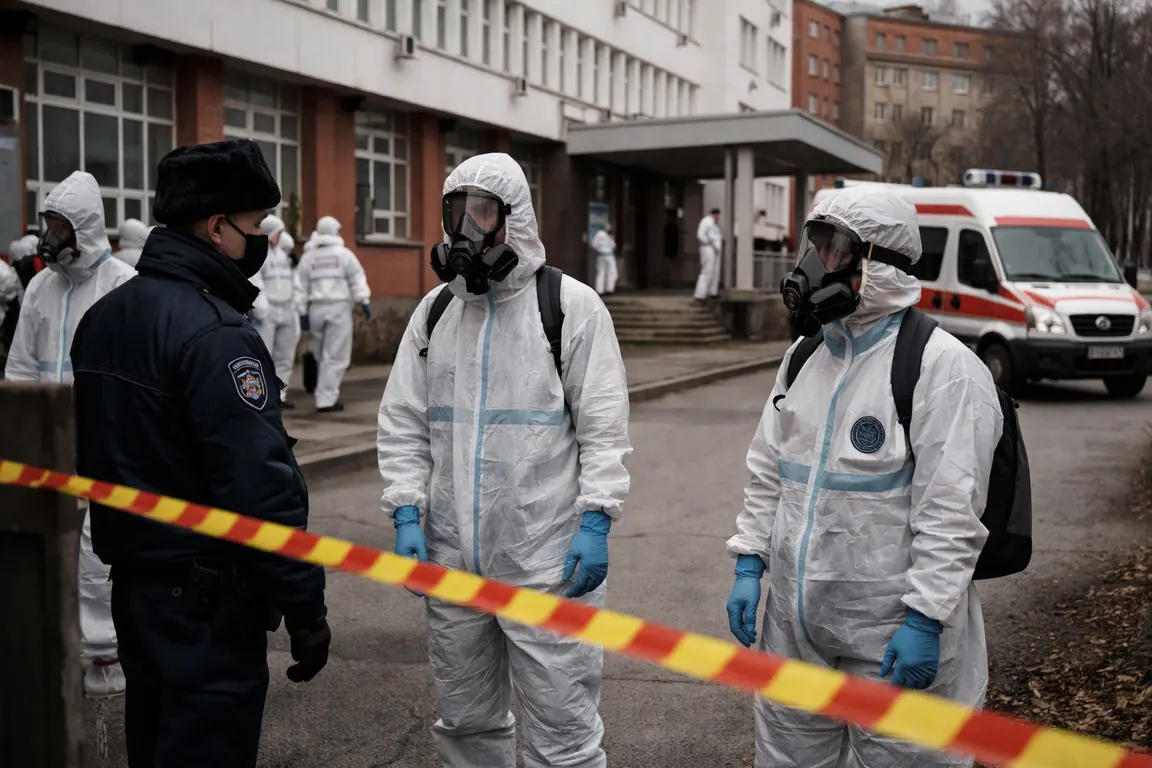
Russian health officials placed a hospital near Irkutsk under quarantine on Monday after a 28‑year‑old laboratory technician at the Anti‑Plague Research Institute of Siberia and the Far East died of pneumonia of unknown origin. The death triggered travel warnings from the United States and heightened monitoring by the World Health Organization.
The technician fell ill over the weekend and died despite treatment. Rospotrebnadzor, Russia’s federal health watchdog, announced anti‑epidemic measures within hours, including quarantine of the hospital and contact tracing for an estimated 200 people who may have been exposed. Regional governor Igor Kobzev said biopsy tests had not yet identified any pathogen linked to the worker’s duties, a point used by officials to argue that a plague outbreak was unlikely.
Kremlin spokesman Dmitry Peskov echoed the regional assessment, urging the public to rely on Rospotrebnadzor’s statements and dismiss rumors. The Kremlin has also denied that formal anti‑plague measures have been imposed, a contradiction noted by independent media.
The U.S. State Department warned that its ability to assist American citizens in Russia is limited and reaffirmed the highest‑level travel advisory for the country. The department called on Russian authorities to provide rapid, accurate information, underscoring diplomatic pressure for transparency.
The Centers for Disease Control and Prevention said it is “aware of and closely monitoring” the situation but stopped short of declaring a public‑health emergency. The World Health Organization reiterated that pneumonic plague, caused by Yersinia pestis, is fatal if untreated and carries a high case‑fatality rate, while noting it continues to monitor the incident and advise travelers based on evolving data.
Russian officials have not disclosed how many people are actually under quarantine, and the 200‑person figure cited by some outlets remains unverified. U.S. agencies, lacking direct access to on‑the‑ground diagnostics, are relying on Russian reports to assess risk, fueling calls for greater data transparency.
For residents of Irkutsk, the quarantine disrupts access to a key medical facility and raises concerns about broader community exposure. For travelers and the tourism sector, the renewed travel advisory could depress airline bookings and increase demand for medical supplies related to plague preparedness.
The episode illustrates how a single, ambiguous death can ripple through public‑health systems and diplomatic channels. As Russian laboratories continue testing the deceased’s samples, the next decisive step will be a joint statement confirming—or ruling out—the presence of Yersinia pestis. Until such confirmation arrives, health officials on both sides of the border remain on alert, and the international community watches for any sign that the mystery case could evolve into a wider outbreak.