

Iraq Ends US and Coalition Troop Withdrawal
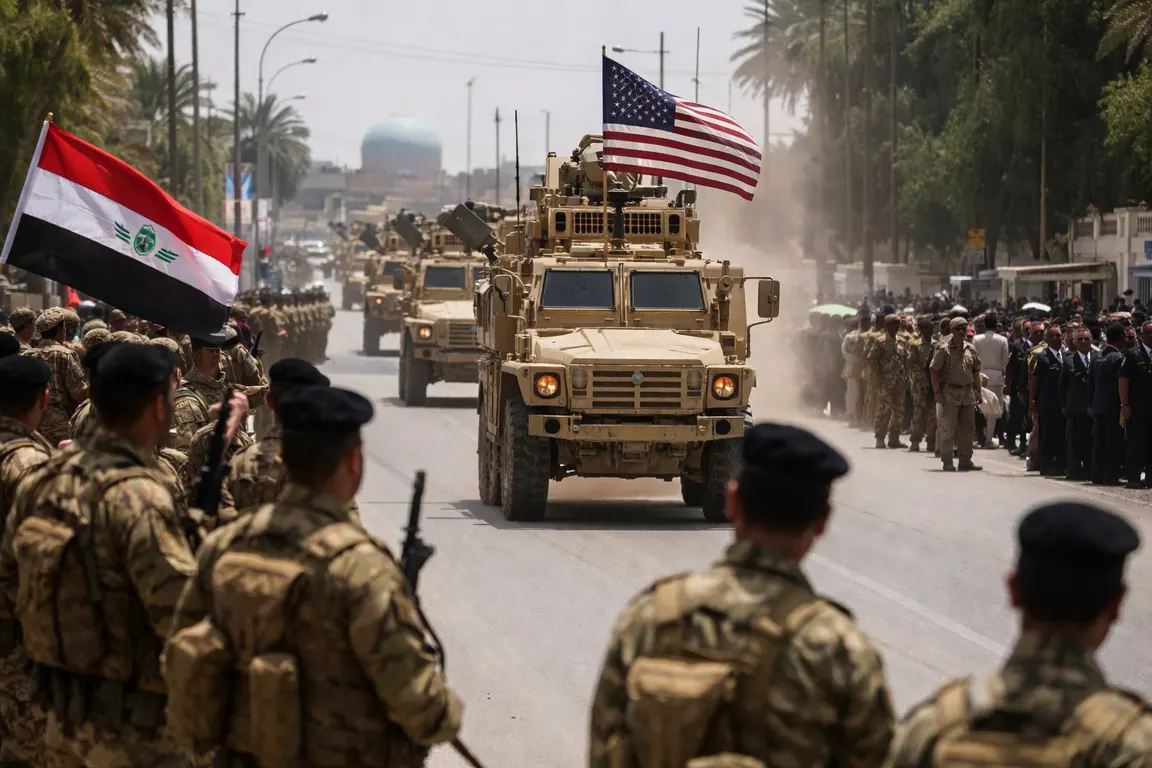
The Pentagon confirmed on Oct. 30 that the last U.S. convoy left Iraq, formally ending a 12‑year counter‑ISIS deployment that began in 2014. This Iraq US troop withdrawal coincided with “Sovereignty Days” parades in Baghdad and Najaf and the simultaneous pullout of the United Kingdom’s remaining forces, marking the conclusion of the multinational anti‑ISIS coalition’s presence.
The exit fulfills a 2022 agreement between Baghdad and Washington that set a two‑year timeline for a complete pull‑out by the end of 2024. Iraqi officials hailed the move as a restoration of national autonomy, while security analysts warned that the absence of foreign troops could create a gap that extremist groups might try to exploit.
Iraq’s security architecture now rests entirely on its own forces, which have not publicly detailed a comprehensive post‑withdrawal counter‑terrorism plan. The Guardian reported that Iraqi security experts fear the vacuum could enable ISIS remnants or other militant factions to regain footholds. No data have been released on the capacity of Iraqi units to patrol former U.S.-held zones or on the resources allocated for intelligence sharing and rapid‑response capabilities that were previously supported by coalition partners.
During the 12‑year campaign, U.S. and allied troops conducted air strikes, trained Iraqi units and supported local militias against the Islamic State’s territorial hold. Since the 2017 defeat of ISIS’s de facto capital in Mosul, the threat has shifted to sleeper cells and lone‑wolf attacks. Analysts point to three indicators of a possible resurgence: a rise in intercepted communications among known operatives, increased recruitment activity in border regions, and a spike in small‑scale attacks on security checkpoints. Iraqi police have reported a modest uptick in such incidents, though the scale remains limited.
Regional actors are recalibrating their strategies. Iranian officials praised the withdrawal as a reduction of U.S. influence, framing it as a diplomatic win. Saudi and Turkish observers, while not issuing formal statements, are reportedly assessing how the shift may affect their own security and economic interests in Iraq. The United States, meanwhile, maintains the U.S.–Iraq Strategic Partnership Agreement, which preserves avenues for diplomatic and economic cooperation despite the end of the combat mission.
For Iraqi civilians, the transition brings immediate uncertainty. The visible security presence of coalition forces that many communities relied on for rapid response is now gone. Local businesses, especially those tied to the oil sector, are watching the security climate closely; any perception of instability could dampen foreign direct investment and affect oil export confidence. Baghdad’s Ministry of Planning has not released forecasts on how the security outlook might influence upcoming infrastructure projects.
The next step for Iraq is to formulate and publicly communicate a concrete security roadmap. Officials are expected to brief parliament in the coming weeks on force deployment, intelligence coordination and community‑level resilience measures. Until that plan is disclosed, policymakers and observers will watch to see whether Iraq’s security forces can sustain the anti‑ISIS gains of the past decade without the logistical and tactical support previously provided by U.S. and coalition troops.