

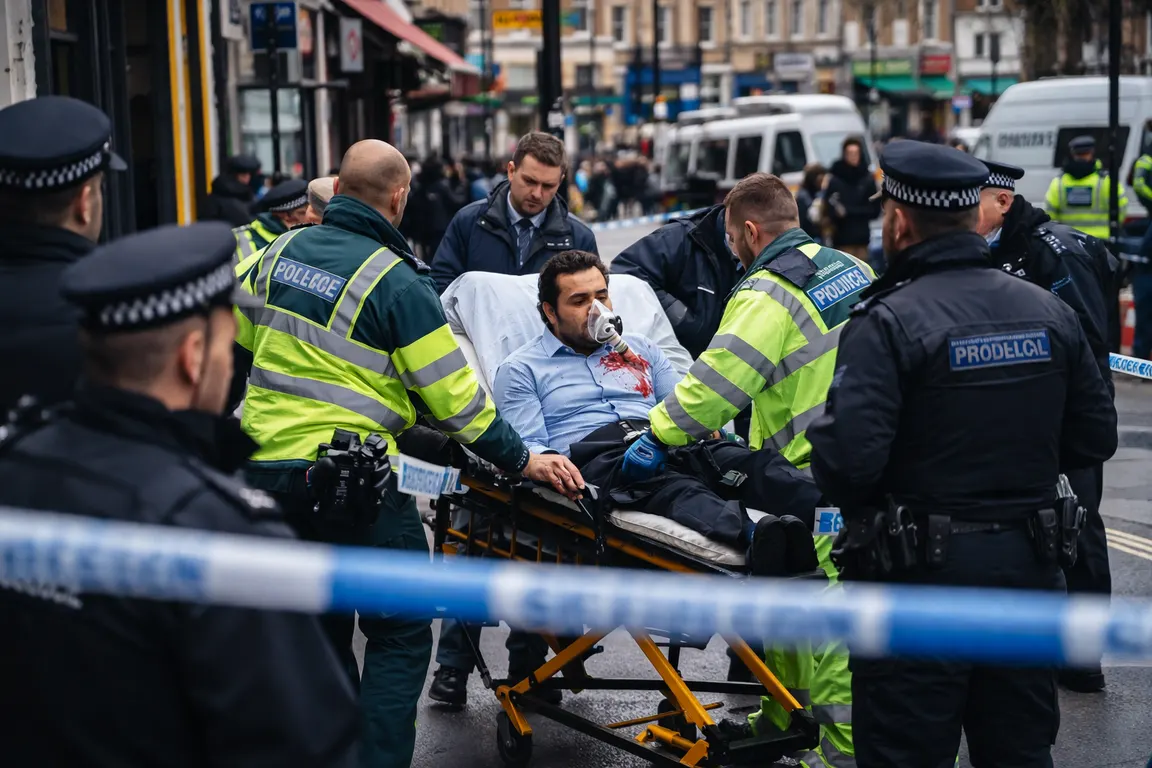
A brazen stabbing attack on a London street has exposed the long arm of the Iranian regime, which is accused of silencing a critical journalist. Pouria Zeraati, a television journalist who worked for Iran International, a Persian-language channel critical of the Tehran regime, was stabbed three times outside his home in Wimbledon, London in 2024. The attack on Zeraati, believed to have been carried out on behalf of the Iranian state, has highlighted the risks faced by journalists critical of authoritarian regimes.
The journalist's work for Iran International, a channel known for its critical coverage of the Tehran regime, is thought to have motivated the attack. Two Romanian men were subsequently jailed for the attack, with sentences of 12 and 8 years in prison. The exact nature of the Iranian regime's involvement is not specified, but the attack has raised concerns about the safety of journalists who criticize the regime.
Zeraati's stabbing has affected not only the journalist himself but also the broader community of journalists who report on the Iranian regime. The implications of this attack are far-reaching, with many wondering what this means for the safety of journalists who criticize the Iranian regime. The attack has also raised questions about the Iranian regime's willingness to silence its critics, even outside of Iran's borders.
As the case against the two Romanian men has come to a close, the question remains: what are the implications of this attack for journalists critical of the Iranian regime, and how will the international community respond to the Iranian regime's alleged involvement in the stabbing. The attack serves as a reminder of the risks faced by journalists who report on authoritarian regimes and the need for increased protection and support for those who dare to criticize them.