

Iranian Cargo Ship Hit in Hormuz as Gulf States Push Hormuz
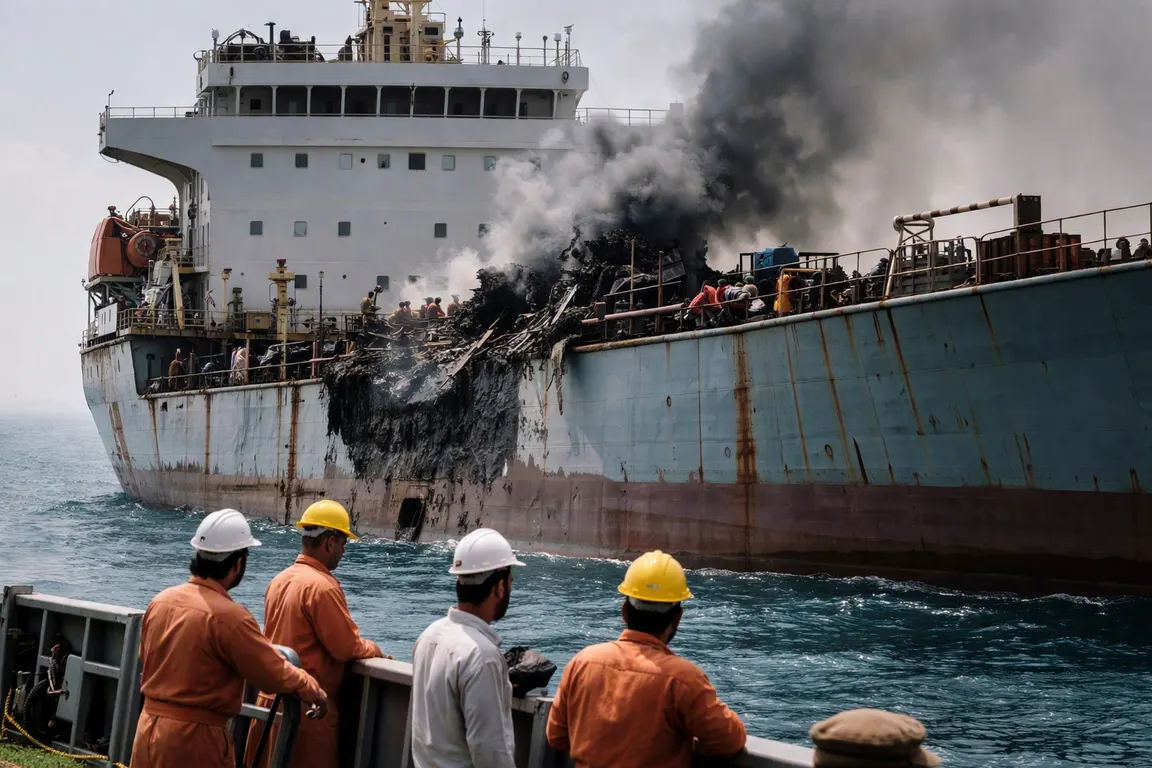
A projectile struck an Iranian cargo vessel near Qeshm Island in the Strait of Hormuz on Sept. 12, killing one crew member and wounding four, UK Maritime Trade Operations said. The attack came hours before foreign ministers from Iran, Oman, the United Arab Emirates and other Gulf Cooperation Council states were due to meet in Muscat on Sept. 13 to negotiate a provisional Hormuz transit deal.
The incident heightens the immediate risk to commercial shipping and adds urgency to talks aimed at preserving the flow of 10‑16 million barrels of oil a day through Hormuz. Analysts warn that any disruption could ripple through global oil markets, especially as the Red Sea route is already strained after Houthi rebels seized an island in the Bab al‑Mandeb Strait.
Iranian state media blamed a “terrorist enemy,” a claim echoed by the governor of Qeshm Province. Neither the United States nor the United Kingdom has identified the attacker, and UKMTO officials stopped short of assigning blame, noting only that a projectile hit the vessel and ignited a fire. The lack of attribution leaves the incident open to competing narratives and complicates diplomatic calculations.
In the hours after the strike, UAE Crown Prince Khaled bin Mohamed Al Nahyan met Iran’s President Masoud Pezeshkian on the sidelines of the BRICS summit in India. Both said de‑escalation was a priority, and the meeting was reported as a signal of willingness to cooperate on Hormuz security.
Iranian parliamentary security commission secretary Behnam Saeedi said Iran and Oman expect to announce an understanding on Hormuz transits soon, but a full reopening of the waterway depends on the end of the U.S. naval blockade that has been in place since 2024.
The provisional agreement under discussion would likely set minimum safety standards for vessels, establish a joint monitoring mechanism and define a limited schedule for commercial traffic while the broader security environment is reassessed. GCC representatives have stressed that any framework must be “practical” and “limited in scope,” reflecting concerns that a comprehensive reopening could be premature.
For ship owners, the incident has already pushed insurance premiums higher and revived talk of rerouting vessels around the Cape of Good Hope, a costly alternative that adds weeks to transit times. Regional oil exporters are watching closely; even a modest slowdown in Hormuz flows can lift Brent crude by several dollars, a sensitivity amplified by recent attacks on Saudi pipelines and the Houthi capture of a Bab al‑Mandeb island.
The Muscat meeting is expected to produce a statement rather than a binding treaty, but its timing is critical. A limited transit protocol could reassure markets and provide a buffer against further disruptions while broader diplomatic channels remain stalled. Failure to reach an accord would leave commercial shipping exposed to escalating risks on two fronts.
The ministerial gathering on Sept. 13 will outline the provisional framework. Observers will look for language addressing the U.S. naval presence, incident‑reporting mechanisms and conditions for expanding the limited arrangement. The outcome will shape regional security calculations and the stability of global oil supplies in the weeks ahead.