

Iranian Airstrikes Near Strait of Hormuz Escalate Tensions
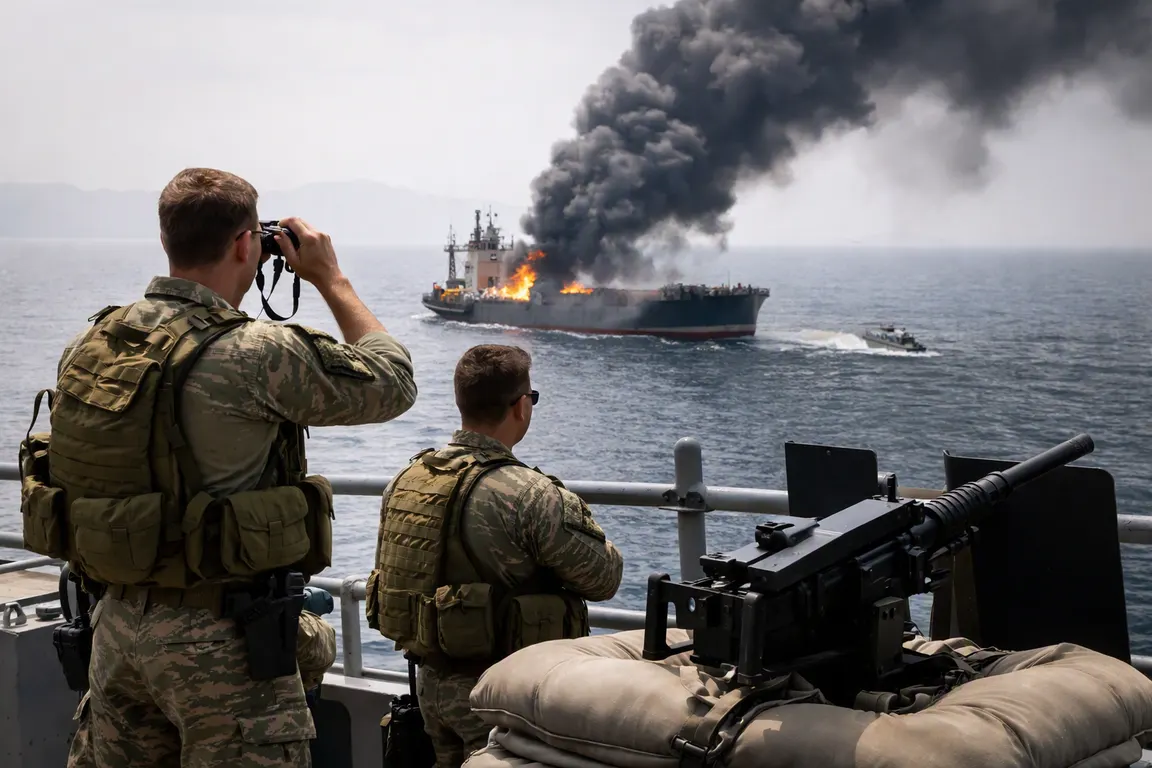
U.S. Central Command said Tuesday that American aircraft struck multiple Iranian positions, marking Iranian airstrikes near the Strait of Hormuz as the latest escalation after Iran’s alleged mining of the waterway and attacks on two commercial tankers.
The strikes followed a weekend exchange of fire that marked the first direct attacks between the two sides since July. Washington said the operation was a direct response to Iran’s mining attempts and to attacks on U.S. service members stationed in the region.
Iranian state media reported that retaliatory missile and drone strikes killed four civilians at a wedding, a claim not yet verified by independent outlets. No casualty figures have been released for the U.S. strikes.
The Hormuz corridor carries roughly 20 percent of global oil shipments. The weekend incidents already nudged crude prices higher, and analysts warn that any further disruption could push pump prices up worldwide.
The United States has not disclosed the specific targets or the scale of the air campaign. Iranian officials say the primary trigger was the mining operation; U.S. officials point to attacks on American personnel.
If confirmed, the mining would pose a direct threat to commercial navigation. The attacks on U.S. forces raise questions about the safety of American troops already deployed across the Middle East, heightening the risk of a broader regional conflict.
The reported civilian deaths at a wedding have sparked local outrage, though verification remains pending. Even without immediate civilian casualties from the U.S. strikes, a prolonged exchange could expose coastal populations to further harm.
Regional economies that depend on uninterrupted oil flow—from Gulf states to Asian importers—could feel a shock if the strait were to close or become contested. Some tanker operators are already considering rerouting, a move that would add transit time and expense and feed further price pressure.
Diplomatic channels remain active but details are sparse. U.S. officials say they are in contact with allies and regional partners to manage the fallout, while Iranian authorities have called for an end to what they describe as “unprovoked aggression.” No clear de‑escalation roadmap has been outlined.
Observers will watch for additional statements from both militaries, movements of naval assets through the strait, and the response of international bodies tasked with securing maritime trade. The next steps by Washington and Tehran will determine whether the strikes remain an isolated retaliation or the opening move of a sustained confrontation.