

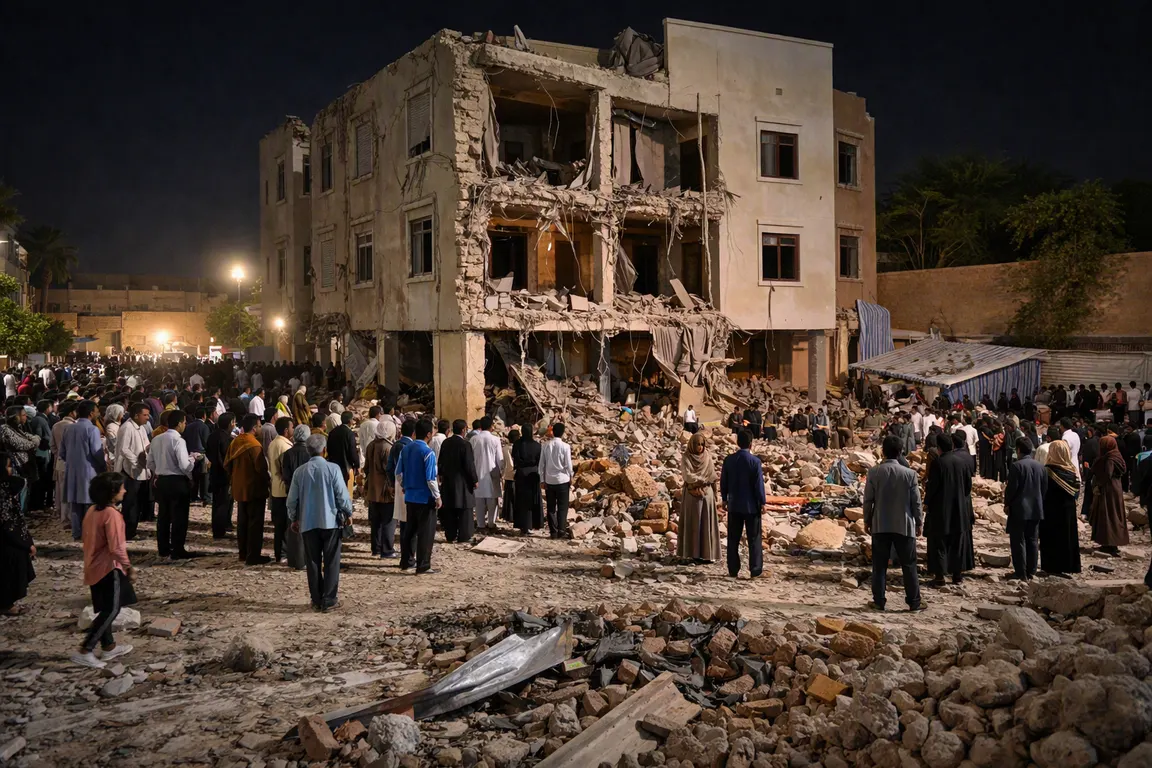
A missile launched from the United States struck a residential building in southern Iran on the night of May 31, killing four people and wounding dozens during a wedding ceremony, Iran’s state media reported on June 1. The blast shattered a home in the coastal town of Kuhestak in Hormozgan province, near the city of Sirik, as guests celebrated a local family’s union.
The attack comes amid a rapid series of retaliatory strikes between Tehran and Washington over the strategic Strait of Hormuz, a narrow waterway through which roughly one‑fifth of global oil passes. Iranian officials have called the strike a war crime and vowed a “devastating” response, while the United States has neither confirmed nor denied involvement.
Iranian authorities say the target was a private home. Al Jazeera reported that a telecommunications tower adjacent to the venue was also hit, suggesting a possible dual‑purpose objective. The human toll is immediate: four victims identified by Iranian media as members of the wedding party died from shrapnel, and 68 others sustained injuries ranging from minor cuts to serious blast trauma. Local emergency crews provided first aid and transported the wounded to hospitals in Bandar Abbas.
Beyond the personal tragedy, the strike threatens to widen an already volatile regional conflict. The Strait of Hormuz remains a flashpoint; any further exchange of missiles could disrupt commercial shipping, prompting spikes in global oil prices and unsettling supply chains. Energy traders noted a modest uptick in Brent futures after the reports, reflecting market sensitivity to any escalation that might choke the chokepoint.
Regional allies, including Saudi Arabia and the United Arab Emirates, have urged restraint but have not taken concrete diplomatic steps. The United Nations has not convened an emergency session, and no formal condemnation has appeared in the Security Council. Iran has appealed to the UN to investigate the alleged war crime, but the lack of a U.S. comment complicates collective action.
Evidence linking the missile to U.S. forces has not been publicly disclosed. Analysts rely on trajectory data and satellite imagery that remain classified. Iranian authorities have pledged an investigation, but details on victim compensation or site security have not been released. Diplomatic channels between Washington and Tehran remain strained, and it is unclear whether back‑channel talks will address safeguards for non‑combatants or whether regional powers will push for a cease‑fire mechanism around the strait.
As the death toll rises and the diplomatic calculus sharpens, the next steps will likely involve a mix of military posturing and quiet negotiations. Observers will watch for any formal U.S. statement, a possible retaliatory strike from Iran, and the response of the International Maritime Organization, which could issue new navigation advisories for vessels transiting the Hormuz corridor. Until those actions materialize, the risk that civilian gatherings in the region could become collateral damage remains a pressing concern.