

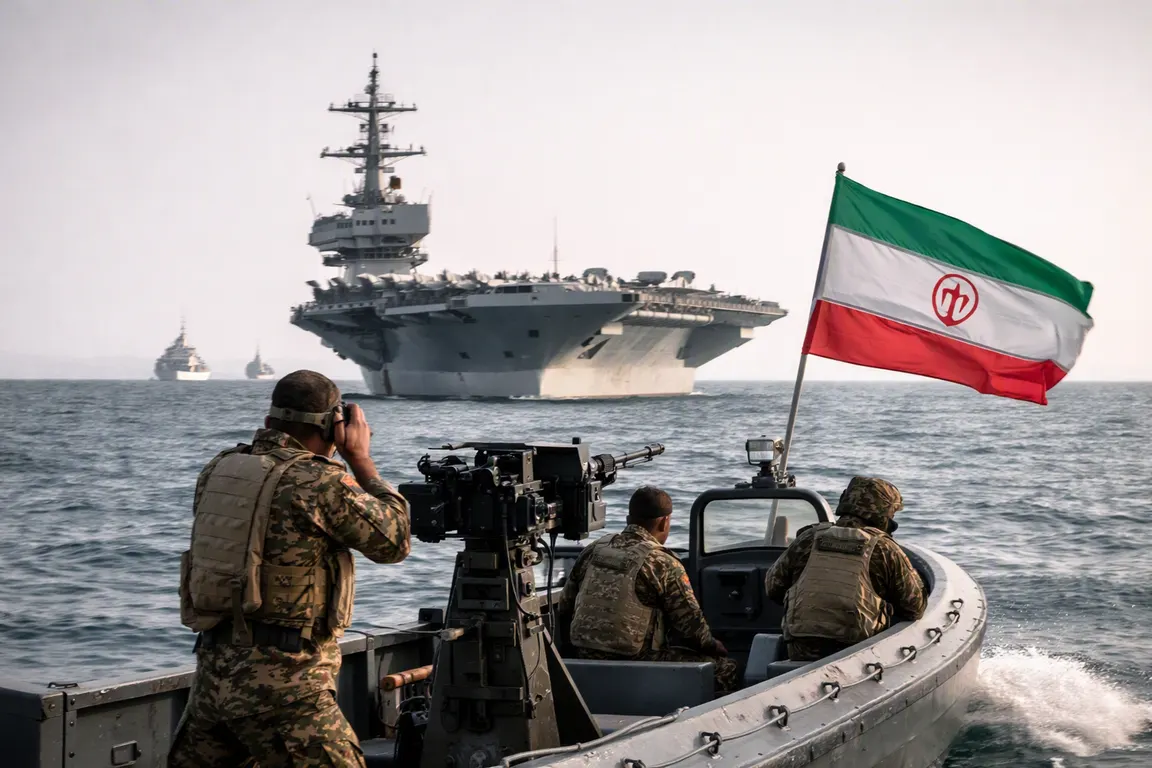
Iran-US tensions have risen over the Strait of Hormuz, a critical oil shipping route. Iran has demanded that the US meet several conditions, including paying compensation for war damage and lifting sanctions, before reopening the Strait of Hormuz. The standoff between Iran and the US is intensifying, with significant implications for global oil prices and the economy.
The US has signaled a willingness to continue talks despite periodic tensions, but is focusing on economic pressure. Iran's Foreign Minister described talks with Oman as 'constructive', but Tehran has stressed that any technical agreement on shipping routes would not lead to a full reopening of the waterway.
The escalation of tensions between Iran and the US could lead to higher oil prices, affecting consumers and businesses worldwide. The US focus on economic pressure could exacerbate Iran's economic crisis, potentially leading to further instability in the region. The impact of the Iran-US standoff on global trade and economic growth is a concern for investors and policymakers.
Recent US economic data showed a mixed assessment of labor market conditions, with headline payrolls falling and the unemployment rate declining. The US CPI report is scheduled for release, with economists forecasting a moderate increase in headline and core CPI. As the Iran-US standoff intensifies, the world is bracing for the potential consequences of a prolonged conflict.
The key question now is whether the US and Iran can find a way to resolve their differences and reopen the Strait of Hormuz, or if the situation will continue to escalate, leading to further economic instability. The Strait of Hormuz is a critical waterway, with a significant portion of the world's oil passing through it. Any disruption to shipping in the region could have far-reaching consequences for the global economy.