

Iran UNGA Delegation Targets U.S. Policy Amid GOP Debate
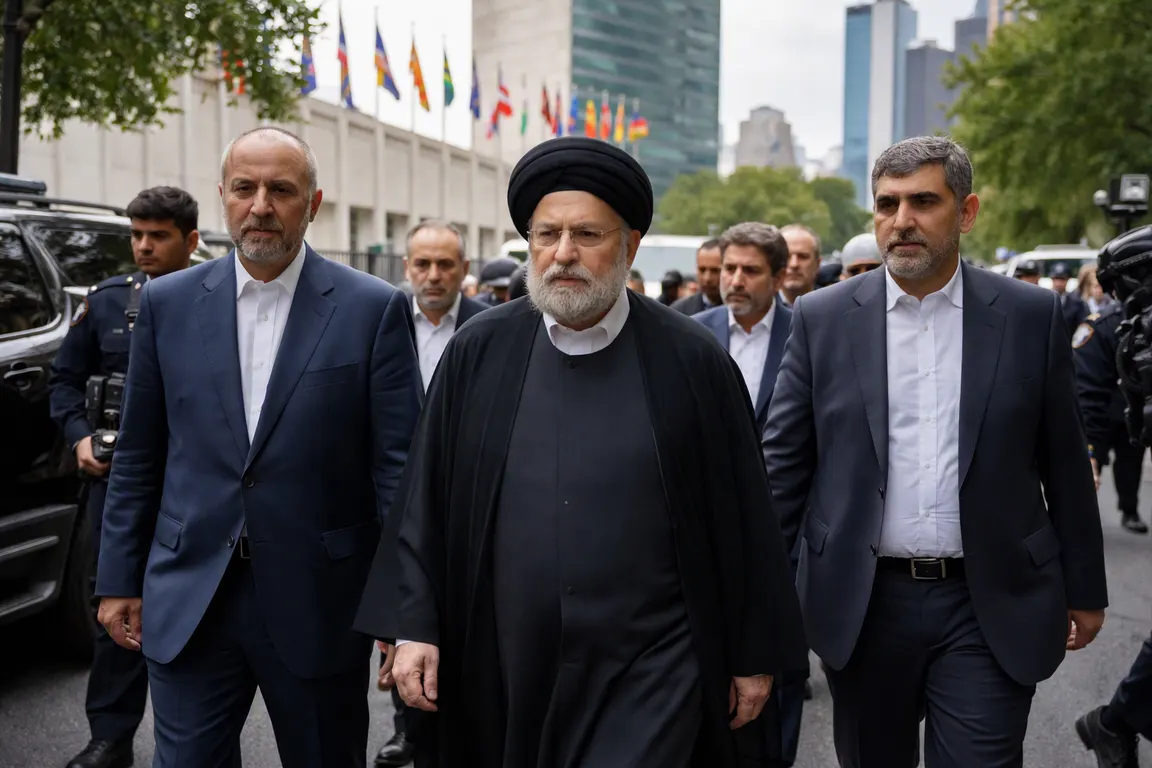
President Ebrahim Raisi arrived in New York on Sept. 16 with a senior diplomatic team, signaling Tehran’s intent to use the opening session of the United Nations General Assembly to denounce what it calls American oppression. The Iran UNGA U.S. policy focus will shape the delegation’s speeches and side‑event briefings.
The UNGA convenes in mid‑September, drawing worldwide media attention and offering a rare venue for member states to shape international opinion. Iran’s delegation, which landed ahead of the Sept. 18 opening, plans to frame its presence as evidence of national resilience while directly criticizing U.S. policy in the Middle East.
In an interview with Al Jazeera, Raisi said he would highlight U.S. “oppression” and portray Tehran as a victim of sanctions and external pressure. The delegation intends to deliver speeches and side‑event briefings that stress Iran’s willingness to engage in dialogue, but no concrete policy proposals have been announced and the exact timing of Raisi’s remarks remains unclear.
In Washington, several Republican presidential hopefuls are publicly questioning the United States’ approach to Iran, citing voter fatigue and rising costs. While no legislative measures have been introduced, the shift suggests a potential recalibration of bipartisan support for a hard‑line stance toward Tehran. If lawmakers continue to press the administration, pressure could mount to reassess sanctions or military posturing.
The diplomatic showdown has immediate market implications. Heightened geopolitical risk typically lifts crude‑oil prices, and any perception of a diplomatic breakthrough—or further deterioration—can move defense‑sector equities. Analysts are watching UNGA speeches for cues that might precede changes in sanctions regimes, which affect global supply chains and investment flows.
Historically, the UNGA has served as a stage where contentious issues are aired before the international community, often influencing bilateral talks. Iran’s effort to cast the United States as an oppressor aims to rally non‑aligned nations and undermine the legitimacy of U.S. sanctions. Conversely, U.S. politicians stepping back from the war narrative may use the same forum to argue for a more restrained approach, though no official U.S. response has been scheduled.
The convergence of Tehran’s diplomatic push and Washington’s internal debate creates uncertainty. Stakeholders will watch for Raisi’s remarks, any rebuttal from U.S. representatives, and subsequent statements from congressional leaders. The next UNGA plenary on Sept. 22 is expected to feature a broad range of country positions on the Iran‑U.S. dispute, offering the first concrete indication of how the narrative battle may translate into policy.
The key unanswered question remains: will Iran’s accusations at the UN lead to measurable shifts in sanctions or negotiation tactics, or will they remain rhetorical, leaving market volatility and regional stability in limbo?