

Iran UN Speech Calls US Terrorist, Offers Talks
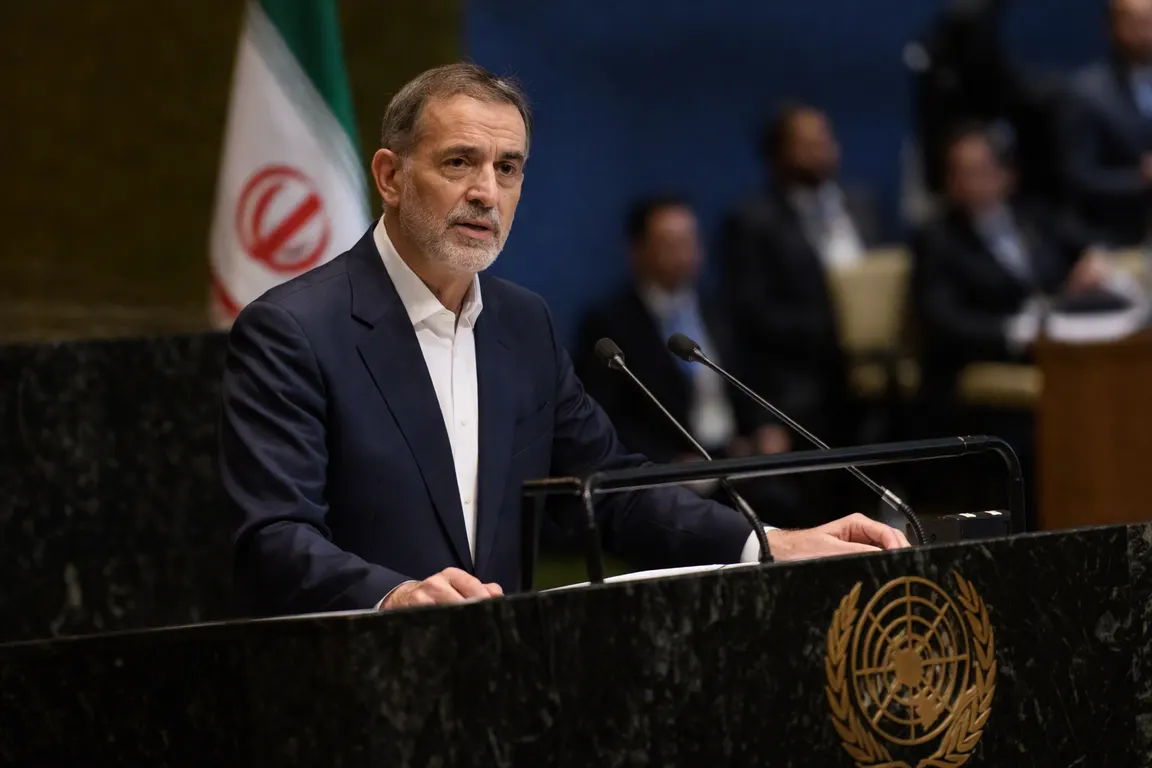
Iranian President Masoud Pezeshkian told the United Nations General Assembly on Tuesday that the United States is a "terrorist" and a "bully" in the Middle East, but added that Tehran remains ready for dialogue without the threat of force. The remarks, the first by an Iranian wartime leader at the UN, come as Washington and Israel increase military pressure on Iran, including a naval blockade of the Strait of Hormuz.
Pezeshkian accused the United States of flouting international law and using terror as a tool of foreign policy, saying Iran will never "bend the knee" to Washington. He concluded with a conditional invitation: Iran is prepared to negotiate provided the talks do not begin with threats or the use of force.
The speech follows President Donald Trump's recent warning that the United States would "annihilate" Iran if a peace deal is not secured. Trump's remarks, reported by multiple outlets, signal a willingness to use military pressure to force a settlement and raise the stakes for any diplomatic engagement.
The Strait of Hormuz, through which roughly one‑fifth of the world’s oil passes, is a focal point of the tension. Any disruption could spark price spikes and higher insurance costs for shipping. Since the UN address, oil futures have edged higher, reflecting trader anxiety over a possible escalation that could close the chokepoint.
Analysts caution that without concrete actions—such as a new naval deployment or a formal diplomatic proposal—the market impact may be limited to short‑term volatility. Pezeshkian offered no timeline, agenda or venue for negotiations, leaving policymakers in Washington and Tehran to interpret the invitation.
Some diplomats view the address as a signal to open back‑channel talks, while others see it as domestic posturing. The United Nations Security Council is slated to meet later this week on Middle East tensions, and the United States has not yet responded publicly to Iran’s overture.
Until a specific proposal emerges, the risk of miscalculation remains high. The balance of power in the Gulf will hinge on whether the two capitals translate the rhetoric into actionable policy, and on how quickly the international community can prevent a flare‑up that would threaten global oil supplies and regional stability.