

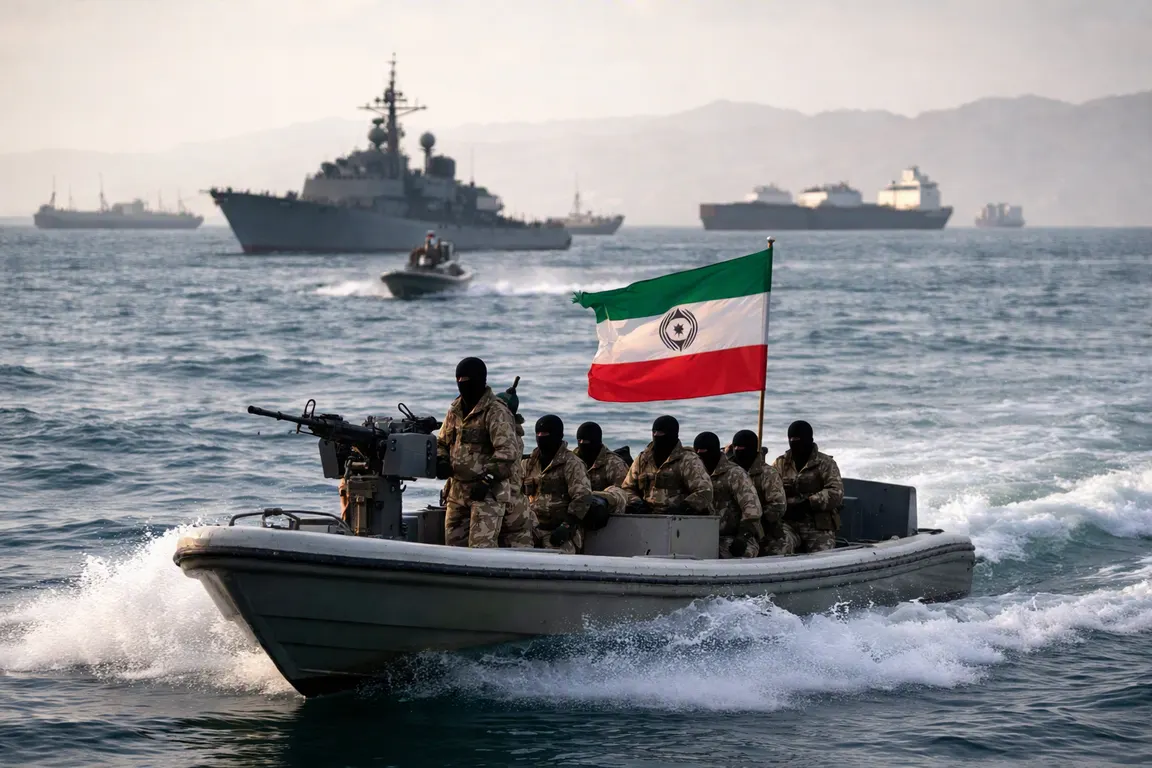
Iran has issued a list of six demands for the US to meet before reopening the strategic Strait of Hormuz, including lifting sanctions and paying compensation for war damage. The move has significant implications for global energy trade and regional security, as the Strait of Hormuz is a critical waterway for global energy trade, with a fifth of the world's traded oil and gas passing through it.
The closure of the strait has significant implications for global energy trade, with the potential to drive up oil prices and disrupt global supply chains. Iran's economy has been battered by the war and US sanctions, with triple-digit food inflation and a currency crisis. The US has imposed sanctions on Iran and has a naval blockade in place. Iran has warned that it will fire upon US and Israeli-linked ships that attempt to transit the strait without permission.
The US has not responded to Iran's demands, with the White House declining to comment. Iran's President has expressed a desire to adopt a memorandum of understanding as a basis for a deal, but only if the US abandons its 'atmosphere of distrust'. China has called for the restoration of 'normal and safe passage' through the strait. The conflict began with US and Israeli airstrikes on Iran in February, followed by Iran's closure of the Strait of Hormuz.
Since then, there have been ongoing negotiations and tensions between the two sides, with Iran issuing its list of demands in recent days. As the standoff over the Strait of Hormuz continues, Iran's leaders are betting that their control of the strategic waterway will give them the upper hand in negotiations with the US, but the strategy carries significant risks for both sides. The potential consequences of a prolonged closure of the Strait of Hormuz for global energy trade and the global economy are significant, with the potential to drive up oil prices and disrupt global supply chains.
Other countries, such as China, have responded to the conflict by calling for the restoration of 'normal and safe passage' through the strait. The prospects for a negotiated settlement to the conflict are uncertain, with significant obstacles to a deal, including the US refusal to lift sanctions and Iran's insistence on compensation for war damage. As the situation continues, the international community will be watching to see if a deal can be reached, and what the implications will be for global energy trade and regional security.