

Iran peace offer to US via Qatar, Trump admin yet to respond
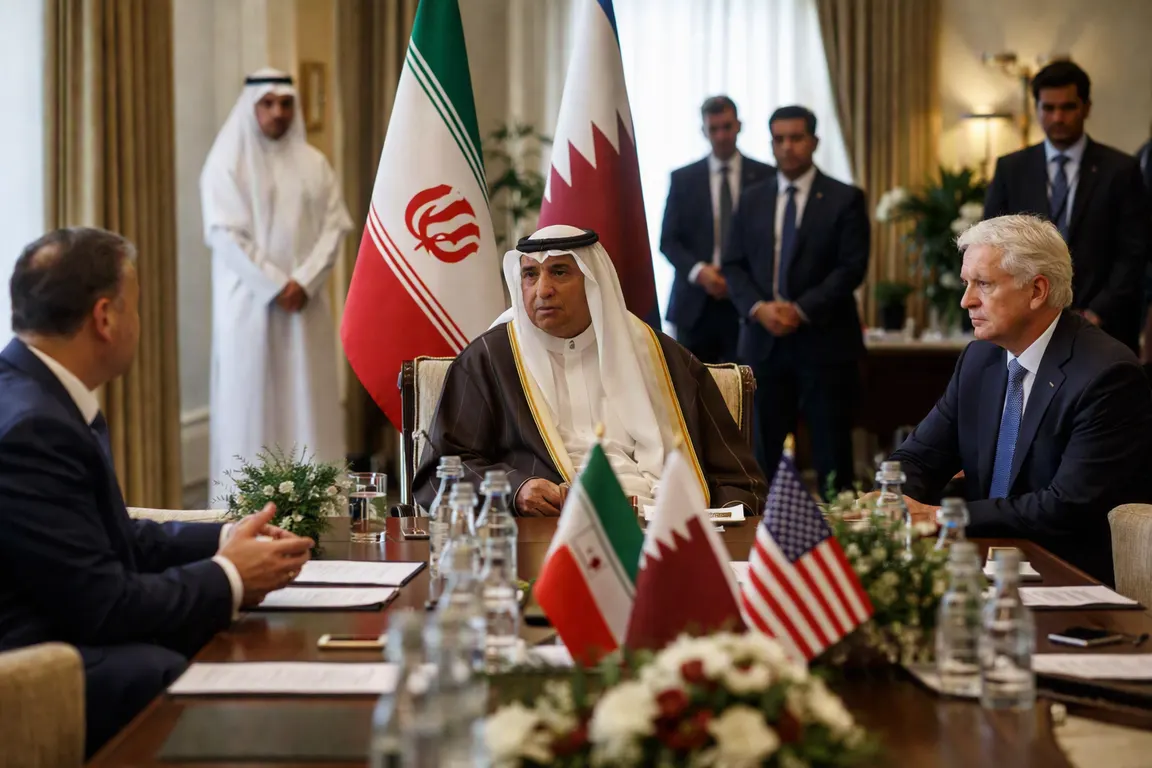
Iran’s Supreme National Security Council delivered a three‑point peace offer to the US through a Qatari diplomatic channel on Sept. 19, 2026, marking a rare overture as the Gulf conflict enters its seventh month.
The demands are straightforward: an unconditional cease‑fire, the release of Iranian assets frozen under US sanctions, and the lifting of the US naval blockade in the Strait of Hormuz. Council secretary Mohsen Rezaei told reporters the note was conveyed by Qatar and said Iran is "awaiting a response from the Trump administration."
The cease‑fire request would halt hostilities that began in October 2023 between US‑aligned forces and Iran‑aligned militias. The asset‑release demand targets billions of dollars frozen under sanctions, which Tehran says are vital to its banking sector and broader economy. Lifting the blockade would reopen the Strait of Hormuz, a chokepoint through which roughly 20% of the world’s oil passes, potentially easing the supply bottlenecks that have pushed Brent crude above $95 a barrel.
US forces in the Gulf have reported logistical strain after months of continuous operations, and the Pentagon has signaled a need to reassess its posture. Analysts note that the timing of Iran’s offer coincides with heightened operational pressure and a volatile oil market. If the blockade were lifted, shipping lanes could clear, likely pulling prices down and stabilising trade flows through the Bab al‑Mandab and Hormuz straits.
Rezaei linked the proposal to broader regional dynamics, referencing the ongoing Houthi‑Saudi conflict and suggesting that a comprehensive US‑Iran deal could pave the way for a wider peace settlement. He also reiterated Iran’s adherence to the late Supreme Leader’s fatwa against nuclear weapons and hinted that any decision to withdraw from the Nuclear Non‑Proliferation Treaty would depend on US actions, a point reported by ZeroHedge.
The United States has not publicly confirmed receipt of the Qatari note, nor has the Trump administration issued an official statement on the demands. In the absence of a clear response, market speculation has intensified and policymakers are weighing the risks of conceding to Tehran’s terms against the potential fallout of a hardline stance.
The next step is likely a diplomatic exchange through Qatar or another back‑channel, where Washington can indicate which, if any, of the three points are negotiable. Until a response is made, the region remains on edge, and the global oil market will continue to monitor any change in the status of the Hormuz blockade as a barometer of the conflict’s trajectory.