

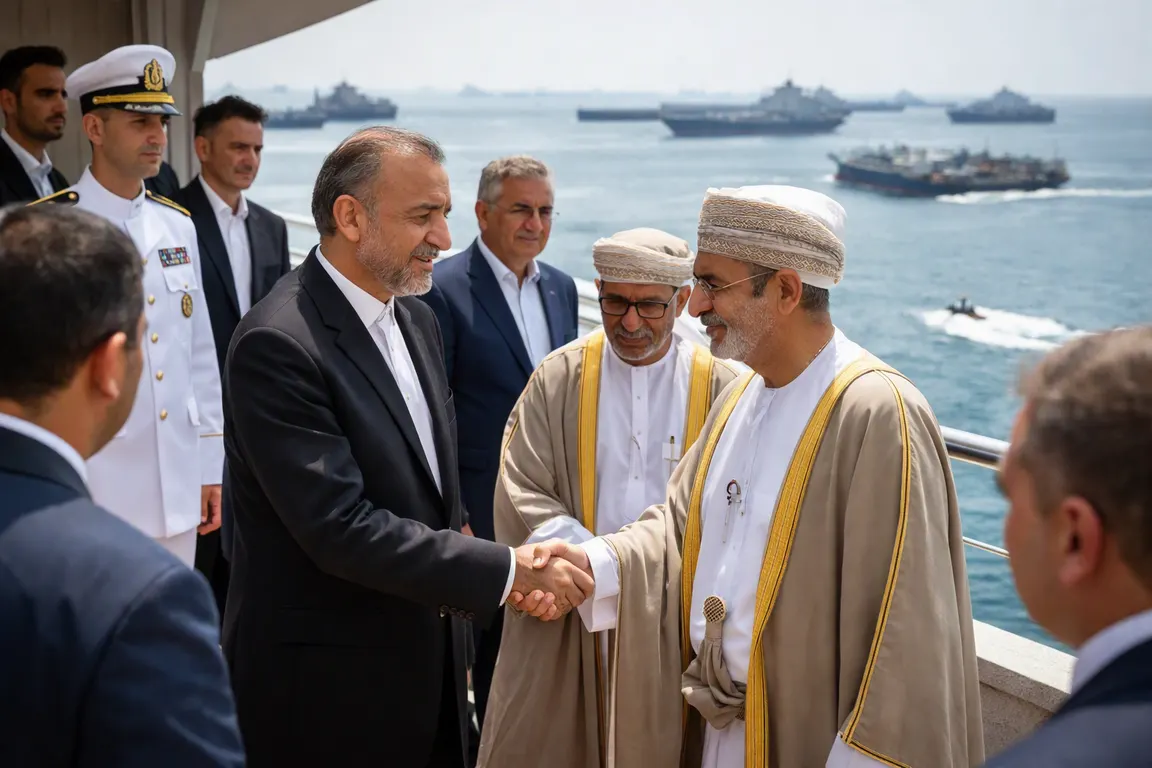
Iran and Oman are nearing an agreement to jointly manage the Strait of Hormuz, a critical waterway that carries around a fifth of the world's oil and liquefied natural gas exports. The potential deal, which is contingent on the US lifting its naval blockade of Iran's ports, could impact global oil prices and regional shipping.
The Strait of Hormuz has been a point of contention between Iran and the US, with Iran exercising de facto control and the US imposing a naval blockade. The dispute has led to a surge in oil prices, with Iran threatening vessels taking unauthorized routes and the US insisting on a different route. The agreement between Iran and Oman aims to alleviate concerns over the safety of vessels transiting the Strait of Hormuz.
The US and Iran have differing views on the negotiations, with the US claiming progress and Iran denying it. The exact terms of the deal are not publicly known, making it uncertain how the potential agreement will affect regional security and global oil prices. However, it is clear that the outcome will have significant implications for global oil prices and the economies of countries reliant on the Strait of Hormuz.
Recent developments in the region have added to the complexity of the situation. Yemen's Houthis have struck two Saudi oil tankers, and the US and Israel have taken military action against Iran. The potential deal between Iran and Oman could have far-reaching implications for regional security, and the next step in the negotiations will be closely watched. The US response to the potential deal will be crucial in determining the outcome.
The safety of vessels transiting the Strait of Hormuz remains a concern, and the potential deal aims to address this issue. The agreement between Iran and Oman could provide a framework for managing the Strait of Hormuz, which would help to alleviate concerns over the safety of vessels and the stability of global oil prices. As tensions in the Middle East continue to escalate, the potential deal between Iran and Oman could be a significant step towards reducing tensions in the region.
The outcome of the negotiations will have significant implications for global oil prices, regional shipping, and the economies of countries reliant on the Strait of Hormuz. The potential deal between Iran and Oman is a critical development in the region, and its success will depend on the US lifting its naval blockade of Iran's ports. The situation will continue to be closely watched, as the outcome will have far-reaching implications for regional security and global oil prices.