

Iran Nuclear Program Tied to Survival, Hormuz Warning
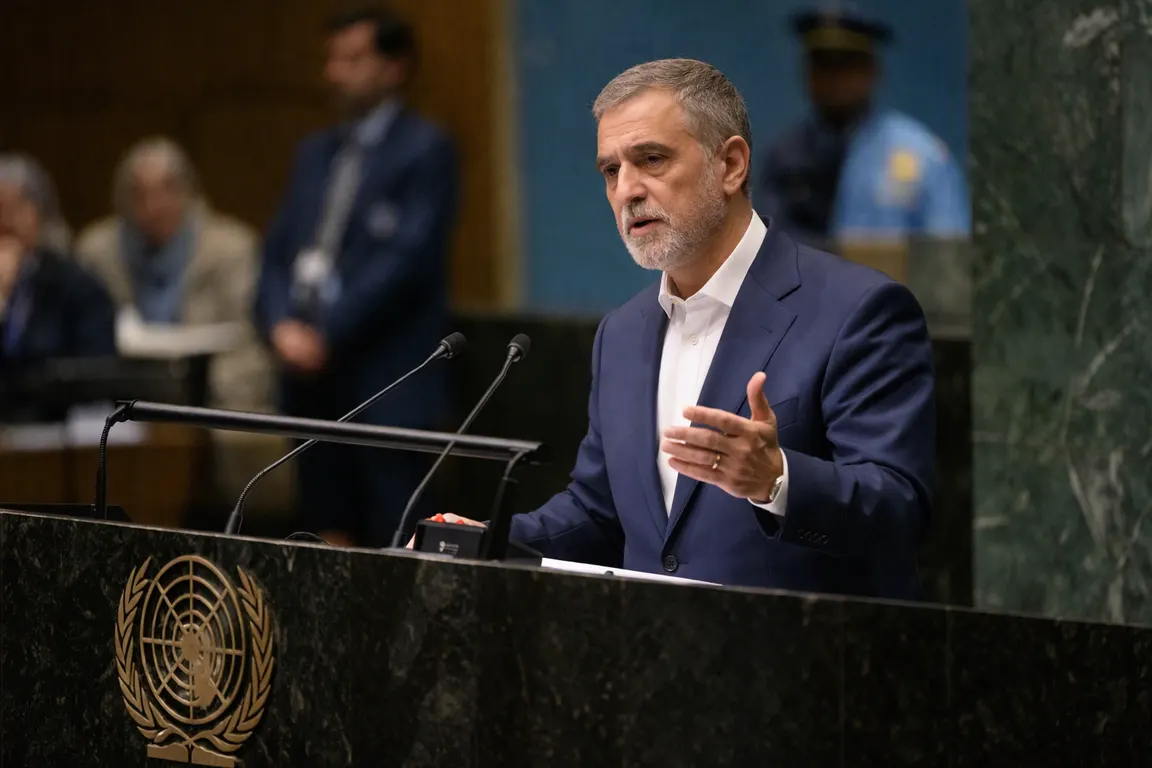
Iranian President Masoud Pezeshkian used his brief address to the United Nations General Assembly on Tuesday to argue that Iran must stay militarily strong to deter external threats, reject U.S. pressure on its nuclear program, and caution that the Strait of Hormuz would not be used to undermine Iran’s security. The remarks framed the Iran nuclear program Hormuz issue as a matter of national survival, signaling Tehran will not soften its policy.
The speech comes as nuclear talks remain stalled and U.S.–Iran tensions rise, heightening concerns for regional stability and global energy markets. By presenting the nuclear issue as existential, Pezeshkian signaled that Tehran will not surrender its nuclear program, a stance that could reverberate through diplomatic channels and commercial shipping routes.
Pezeshkian told the assembly that Iran must be “powerful so as to avoid being threatened,” and that “warfare knows no borders.” He accused the United States and Israel of bullying the region and described Iran as a “victim of terrorism.” During the remarks he displayed photographs of children he said were killed by U.S. and Israeli bombs, a visual protest echoed by other news outlets.
The president’s language marked a departure from the more measured diplomatic phrasing often heard at the UN. Rather than offering a vague commitment to dialogue, he affirmed that Tehran will not surrender its nuclear program. No immediate policy shift—such as a change in negotiation strategy or a directive to alter naval operations—was announced, leaving the practical impact ambiguous.
The stakes are concrete. The Strait of Hormuz carries roughly 20% of global oil trade; any perceived threat to its security can prompt market volatility and trigger alerts in Gulf states. Regional populations could face heightened security measures if diplomatic avenues stall, and oil‑dependent economies may see price spikes. While Pezeshkian’s warning does not constitute a declared intent to close the waterway, investors and policymakers are likely to monitor Iranian naval activity closely.
International reaction has been measured. Other leaders, including the presidents of Syria and Ukraine, spoke later in the same session, but no member state issued a formal rebuke or endorsement of Tehran’s security narrative. The UN platform, however, amplified the message, giving it a global audience that could shape public opinion about civilian casualties and the broader geopolitical contest.
After delivering his address, Pezeshkian returned to Tehran, where officials have not announced new sanctions, military deployments, or changes to the nuclear talks agenda. Diplomatic channels are expected to test whether Tehran’s hardline stance can coexist with ongoing European and UN mediation efforts.
Analysts will watch for any shift in Iranian naval deployments near Hormuz and for concrete proposals from the United States or the European Union that address both nuclear concerns and regional security. Until then, the speech serves as a reminder that Iran’s perception of existential threat continues to drive its public‑policy narrative, with potential ripple effects for global energy stability and diplomatic negotiations.