

Iran missile and drone strikes hit U.S. bases in Kuwait and
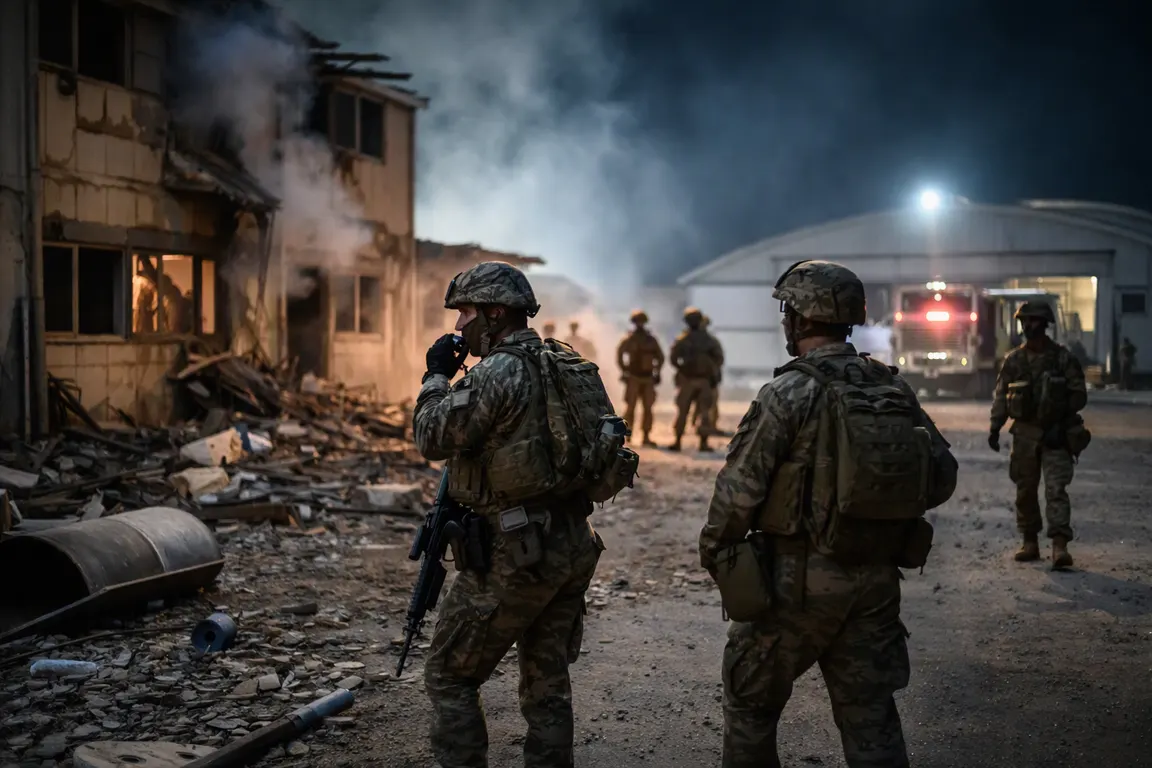
Iran missile drone strikes Kuwait UAE were launched by Iran’s army on the night of Sept. 3, 2026, targeting Ahmad al‑Jaber Air Base in Kuwait and Al Minhad Air Base in the United Arab Emirates. The attacks came hours after U.S. Central Command announced a pause in its bombing campaign and have revived concerns about civilian safety and oil‑market stability as Washington weighs a possible declaration that the conflict is over before the November mid‑term elections.
Kuwait’s Ministry of Defense reported that its air‑defence system intercepted several missiles and drones aimed at Ahmad al‑Jaber, but it did not disclose the extent of any damage. The United Arab Emirates condemned the attack on Al Minhad and said it would assess structural damage while reviewing its own missile‑defence posture.
The strikes intersect three pressures: a renewed military escalation that threatens U.S. personnel and regional infrastructure, a domestic U.S. debate over ending the war, and a sharp rise in crude‑oil prices that could affect global supply chains. Brent crude rose above $90 a barrel in the hours after the strikes, reflecting heightened risk premiums for shipping through the Hormuz Strait, which handles roughly one‑fifth of global oil trade.
Iran’s Health Ministry said that since Aug. 30, 2026, 18 Iranians have been killed and more than 140 wounded, including casualties from a wedding blast in Kuhestak on the Strait of Hormuz. Separate reports confirmed at least five civilian deaths – among them a child – and dozens of injuries from the same incident.
U.S. officials, including former President Donald Trump and Treasury Secretary Janet Yellen, publicly discussed the prospect of ending the war. Trump asserted that the United States had “almost total control of the Hormuz Strait,” a claim that has not been independently verified. Secretary of State Antony Blinken directed U.S. embassies to issue diplomatic demarches against Iran’s operation, which Tehran has dubbed “Operation Economic Outcast.” Israel’s defence chief warned that tighter sanctions could push Tehran toward “desperate steps,” adding a regional security dimension to the volatile situation.
Regional governments are adjusting their security postures. Kuwait confirmed successful interception of the incoming threats and is reviewing its air‑defence readiness. The UAE, while condemning the attack, said it will bolster surveillance and missile‑defence capabilities at Al Minhad and is coordinating with coalition partners to prevent future breaches.
In Washington, the strikes have sharpened the policy debate ahead of the mid‑terms. Lawmakers on both sides of the aisle are weighing the political cost of a continued military presence against the electoral risk of appearing soft on Iran. The pause announced on Sept. 2 was presented as a step toward de‑escalation, but the subsequent attacks have complicated that narrative, forcing senior officials to reassess timelines for any formal war‑termination declaration.
U.S. Central Command indicated it will resume offensive operations if Iranian attacks persist, while diplomatic channels remain engaged to address the security breach. Observers will watch for further statements from the Iranian military and for the impact of rising oil prices on global markets. The convergence of military action, political calculation and economic volatility makes the coming weeks critical for regional stability and for the United States’ domestic political calculus.