

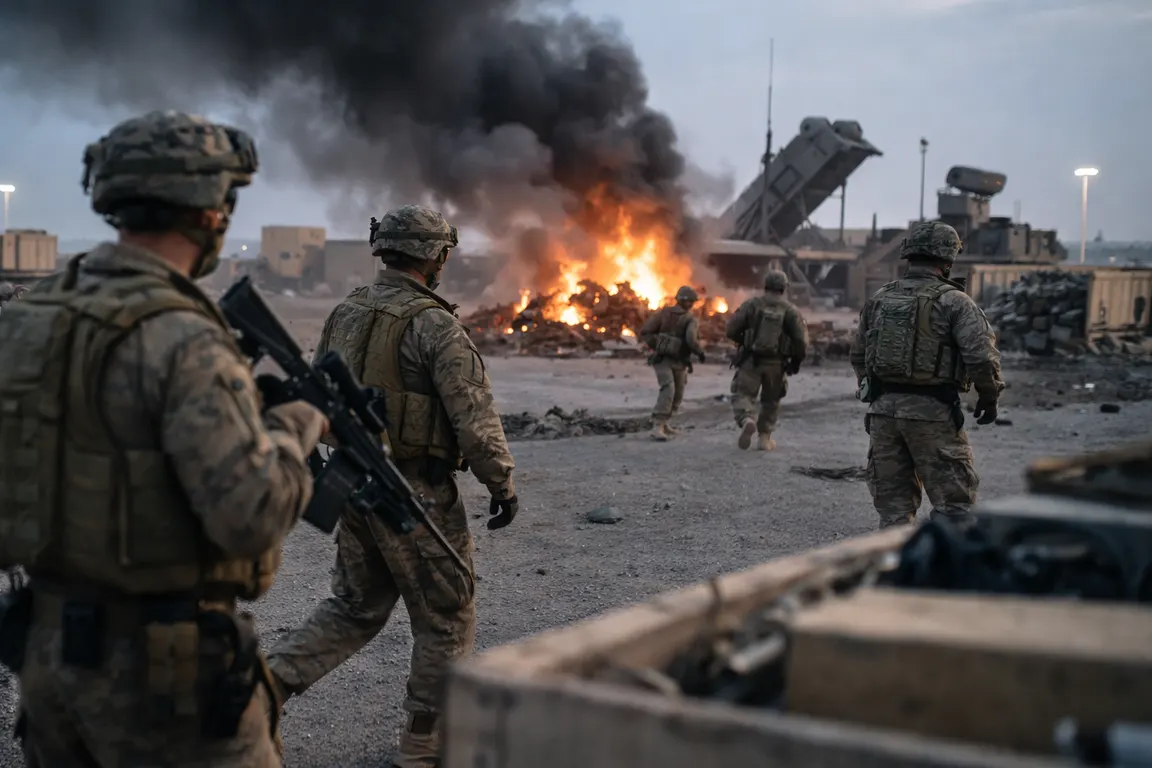
Iran launched a barrage of ballistic missiles at US forces in the Middle East, prompting a response from the US military and raising concerns about regional stability and global oil prices. The US military intercepted the missiles, according to US Central Command, and the attack targeted a US base in Jordan, according to a US official.
The sudden and unexpected nature of the Iranian missile attack has raised questions about the stability of the region and the ability of the US and its allies to respond to emerging threats. The US worked with Saudi Arabia forces to strike sites in Iraq used by Tehran-backed militias, following a brief pause in fighting between the US and Iran.
Oil prices spiked following the flare-up of fighting and claimed Iranian attacks on three tankers in the Strait of Hormuz. The escalation in tensions between the US and Iran has the potential to affect global oil prices, regional stability, and the safety of US forces and civilians in the Middle East.
There is some uncertainty about the exact details of the attack, such as the number of missiles launched and the extent of the damage, as the sources do not provide uniform information. The US and Saudi Arabia have joined forces to hit targets in Iraq, and the attack followed a brief pause in fighting between the US and Iran.
As the situation continues to unfold, the US and its allies will likely remain on high alert, and the potential consequences for US forces and civilians in the Middle East following the attack remain a concern. The next step for the US and its allies will be to assess the damage and determine the best course of action to maintain regional stability and protect US interests.