

Iran-Israel Conflict Raises Oil Market Uncertainty
U.S. Vice President JD Vance told reporters on Sept. 2 that he would not label the escalating Iran Israel conflict a war nor provide a timeline for its end. The refusal left regional allies, global shippers and markets without clear U.S. policy direction.
The comment came as Iranian‑backed attacks on commercial vessels in the Strait of Hormuz intensified and a suspected airstrike on a wedding in Kuhestak, Sirik County, killed four civilians, including a child. Vance said he was "extremely skeptical" of the casualty figures released by the Iranian Red Crescent, a humanitarian group whose data is generally regarded as reliable by international monitors. He described the incident as "things happen" and avoided any direct condemnation.
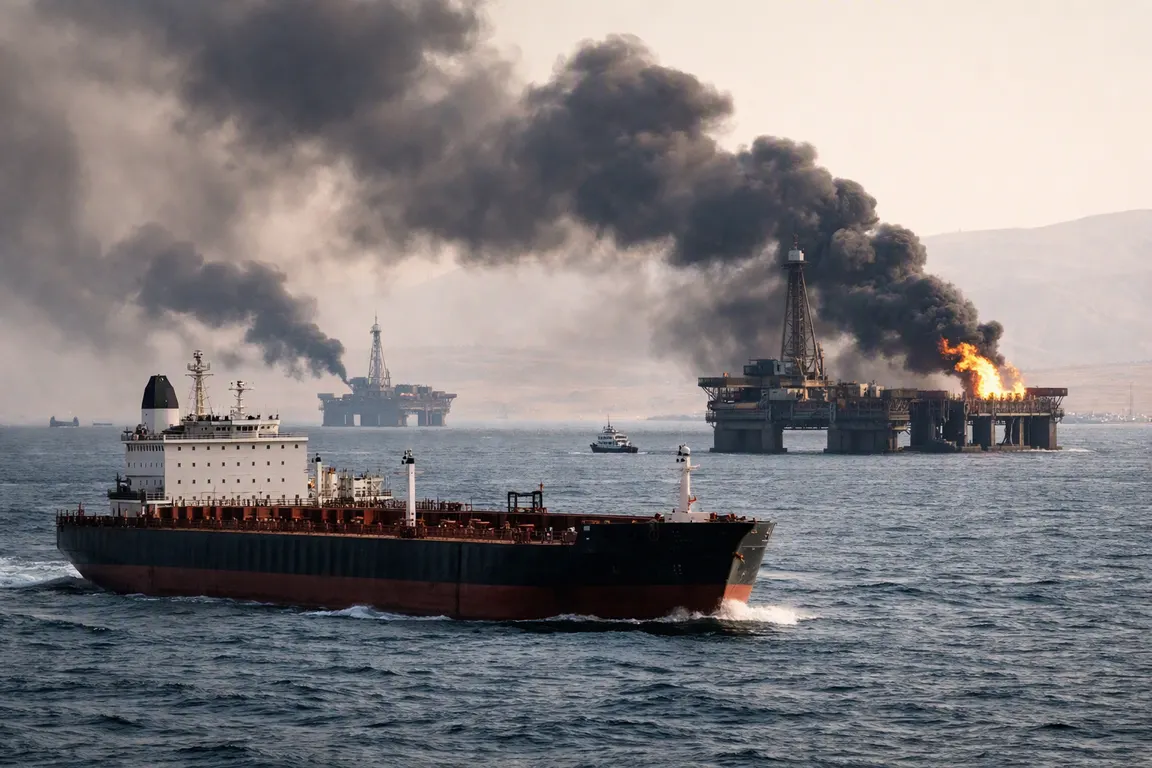
The Strait of Hormuz, through which roughly one‑fifth of the world’s oil passes daily, is now seen as increasingly vulnerable. Shipping firms have reported higher insurance premiums and are considering rerouting vessels to avoid the narrow passage, moves that could tighten global oil supplies and lift prices. Iranian civilians in the Hormuz region remain exposed to airstrikes and collateral damage, a risk amplified by the lack of a clear U.S. stance on escalation thresholds.
No new U.S. policy announcements, sanctions or military orders emerged from the briefing. Vance also sidestepped a question about media commentator Tucker Carlson, suggesting domestic political considerations were influencing his messaging.
Experts note that Vance’s skepticism toward the Red Crescent figures reflects a broader U.S. practice of seeking independent verification before publicly assigning blame. However, his hesitation to condemn the strike outright fuels speculation that Washington is weighing diplomatic channels over direct retaliation, adding to market volatility. Oil futures have edged higher since the briefing as traders price in the possibility of a broader regional flare‑up without a clear American deterrent signal.
International law distinguishes between a formally declared war and a lower‑intensity armed confrontation, a distinction that can affect humanitarian obligations and diplomatic negotiations. By refusing to call the hostilities a war, Vance may be signaling an intent to keep the conflict below the threshold that would trigger certain treaty obligations, though no official statement confirms that motive.
The ambiguous messaging leaves Gulf partners such as Saudi Arabia and the United Arab Emirates without guidance on how to adjust their defense postures. The next public test of U.S. policy is expected at the upcoming Gulf Cooperation Council summit, where allies are likely to seek clarification on American red‑line thresholds.
Until then, shipping companies, oil markets and civilian populations will have to navigate an environment defined more by uncertainty than by explicit guidance.