

Iran Hormuz reopening plan: 7‑day offer to clear Strait
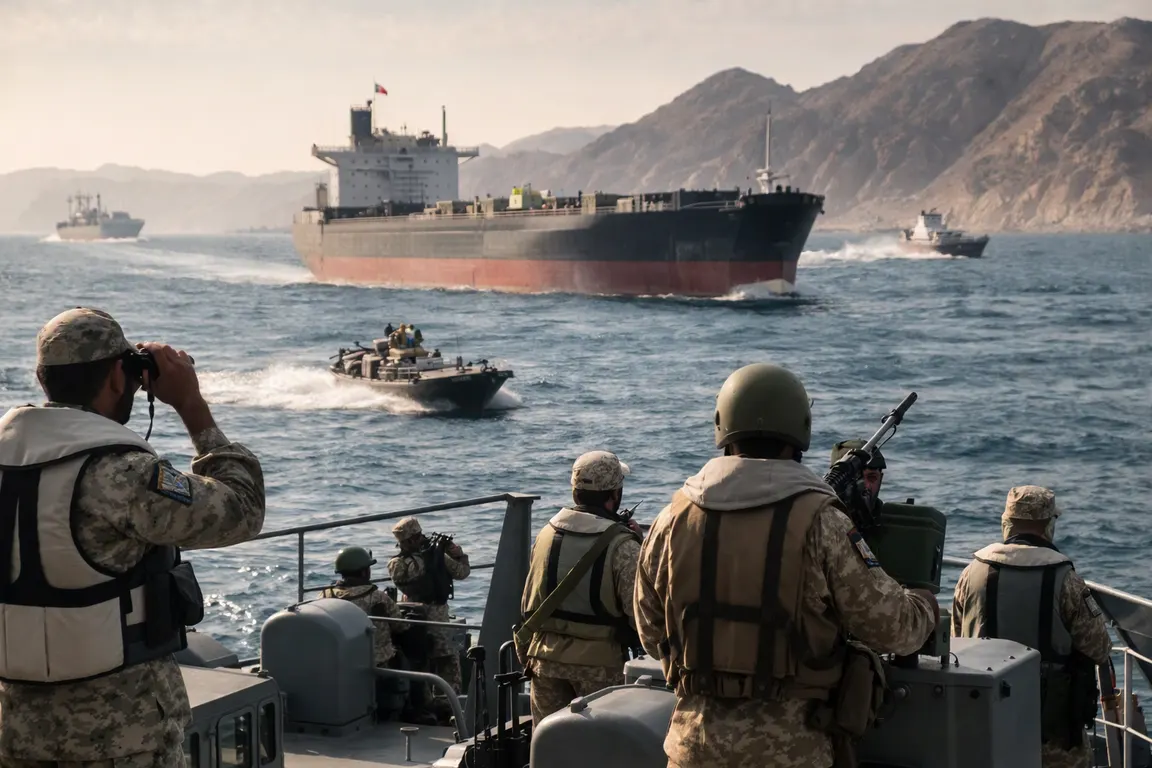
Iran said on Tuesday it is prepared to clear the Strait of Hormuz within seven days if the United States accepts a proposal it submitted to Washington. The offer, made by Foreign Minister Hossein Amir‑Abdollahian, links the reopening of the narrow waterway—through which about 20 percent of the world’s petroleum passes—to the resumption of stalled nuclear talks. This Iran Hormuz reopening plan is presented as a conditional lever for diplomatic progress.
The timing is critical because any disruption in Hormuz can quickly lift oil prices and endanger vessels navigating the channel. By tying the operational plan to diplomatic negotiations, Tehran is using the strait’s accessibility as leverage to revive the nuclear dialogue that began under the 2015 Joint Comprehensive Plan of Action.
According to reports from the BBC and Al Jazeera, Iran’s roadmap provides a week‑long window to remove mines, lift naval blockades and allow commercial traffic to resume. Details on how de‑mining teams will be deployed or how escort vessels will be coordinated were not disclosed. The plan hinges on a single condition: a U.S. decision to accept the terms. Amir‑Abdollahian said, “The choice rests with the United States,” and a U.S. official, speaking anonymously, said “constructive discussions” are underway through undisclosed mediators.
U.S. officials have not issued a formal response, leaving analysts uncertain about the likelihood of acceptance. Washington’s calculus will weigh domestic political pressures, the credibility of Iran’s security guarantees and the broader context of nuclear negotiations. The United States continues to press Tehran to return to compliance with the nuclear deal while seeking to avoid a scenario in which a closed Hormuz triggers a sharp spike in oil prices.
If the strait remains blocked, oil‑importing nations—particularly in East Asia—could see higher freight rates and spot prices, which would translate into higher fuel costs for consumers and industry. Shipping firms would also face higher insurance premiums and the operational risk of rerouting vessels around the Cape of Good Hope, adding thousands of miles to voyages.
The next step appears to be a U.S. assessment of the proposal’s feasibility and the credibility of Iran’s assurances. Mediators, whose identities have not been disclosed, are reportedly facilitating dialogue between the two capitals. Until Washington signals a decision, the seven‑day window remains a conditional promise, and the world’s oil lifeline stays in a state of uncertainty.