

Iran Gulf security appeal urges Gulf monarchs to unite
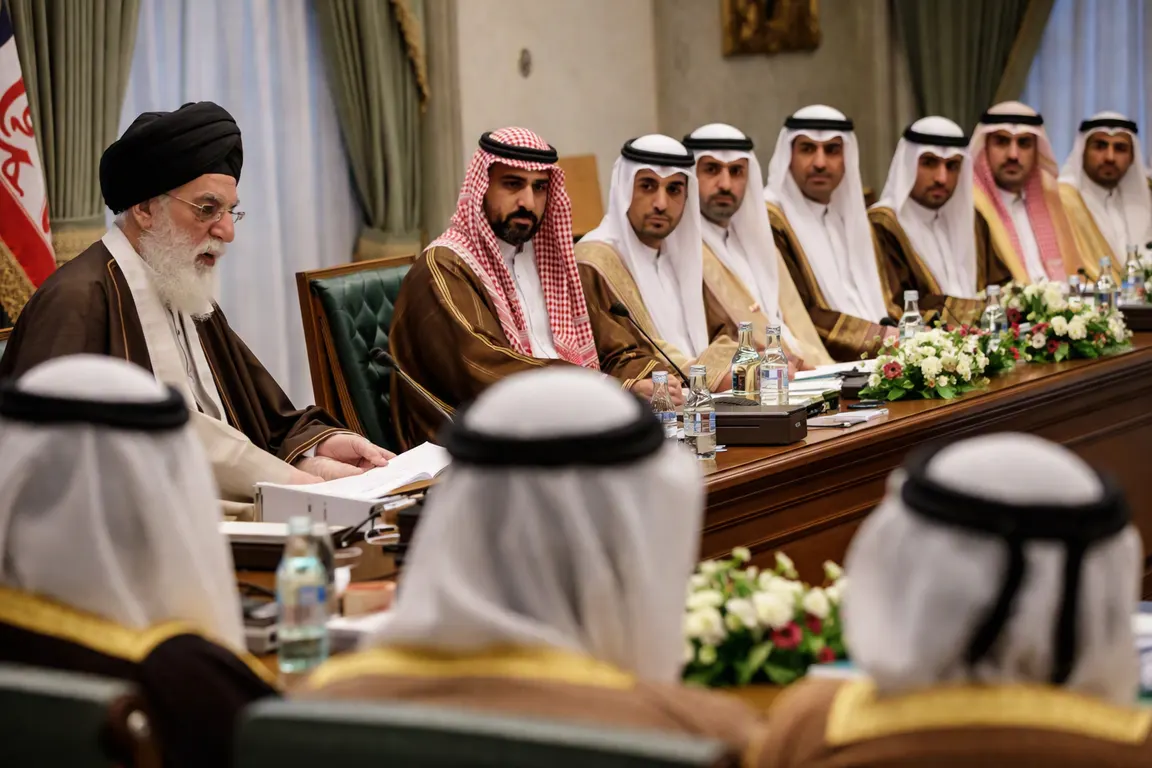
Iran’s Supreme Leader Ayatollah Ali Khamenei sent a written Iran Gulf security appeal to the rulers of Saudi Arabia, the United Arab Emirates, Qatar, Oman, Bahrain and Kuwait during Islamic Unity Week, urging them to set aside long‑standing rivalries and confront a vaguely defined “real enemy.” The letter, circulated while Khamenei remains out of public view after a June 2023 injury, marks the most direct outreach from Tehran’s highest cleric to the Gulf’s royal houses in months.
The appeal could shift regional security calculations and influence global energy markets, which are already sensitive to the fallout from the Gaza conflict and volatile oil prices. By calling for collective action, Khamenei signals that Iran is prepared to engage Gulf defence postures and diplomatic alignments, making the message a potential flashpoint for policymakers and investors.
Khamenei’s letter, reported by The Independent World, NBC News and the New York Post, argues that internal divisions among Gulf states “serve the interests of the real enemy.” The text does not name the adversary, leaving analysts to speculate that Tehran may be referring to Israel, the United States or broader Western influence. No specific policy proposals accompany the appeal, and Gulf governments have not issued official responses.
The timing coincides with ongoing competition over oil production quotas, maritime security and political influence. Saudi Arabia and the UAE have traditionally led a coalition that counters Iranian influence, while Qatar and Oman have pursued more independent foreign policies. If Gulf monarchs interpret Khamenei’s call as a genuine invitation to coordinate security measures, they could reassess threat assessments, adjust joint military exercises or explore intelligence‑sharing mechanisms that include Tehran. Such steps would represent a notable departure from the status quo, where cooperation among Gulf states is largely limited to economic forums and occasional drills.
Energy traders are likely to watch for any sign of realignment. A coordinated Gulf stance that appears to accommodate Iranian security concerns could reduce perceived risk of conflict and temper oil‑price volatility. Conversely, the lack of a clear enemy and the absence of concrete policy steps could heighten speculation, prompting short‑term spikes in futures as investors hedge against possible disruptions.
Public sentiment in the Gulf may also feel the ripple effects. Rhetoric that frames intra‑regional rivalry as a liability could influence inter‑community trust, especially in nations where sectarian and political divides already shape daily life. However, without an official endorsement of Khamenei’s message, the appeal may remain a diplomatic footnote rather than a catalyst for policy change.
The next steps are uncertain. Gulf foreign ministries are expected to discuss the letter internally, and any formal reply—whether a quiet acknowledgment, a public dismissal or a proposal for dialogue—will shape the region’s trajectory in the coming months. Observers will watch for shifts in defence procurement, joint statements on security cooperation and movements in oil markets that could signal whether the cleric’s outreach translates into concrete action or stays an isolated appeal from a leader whose public presence is limited by his injury.