

Iran claims Strait of Hormuz attacks on 19 vessels
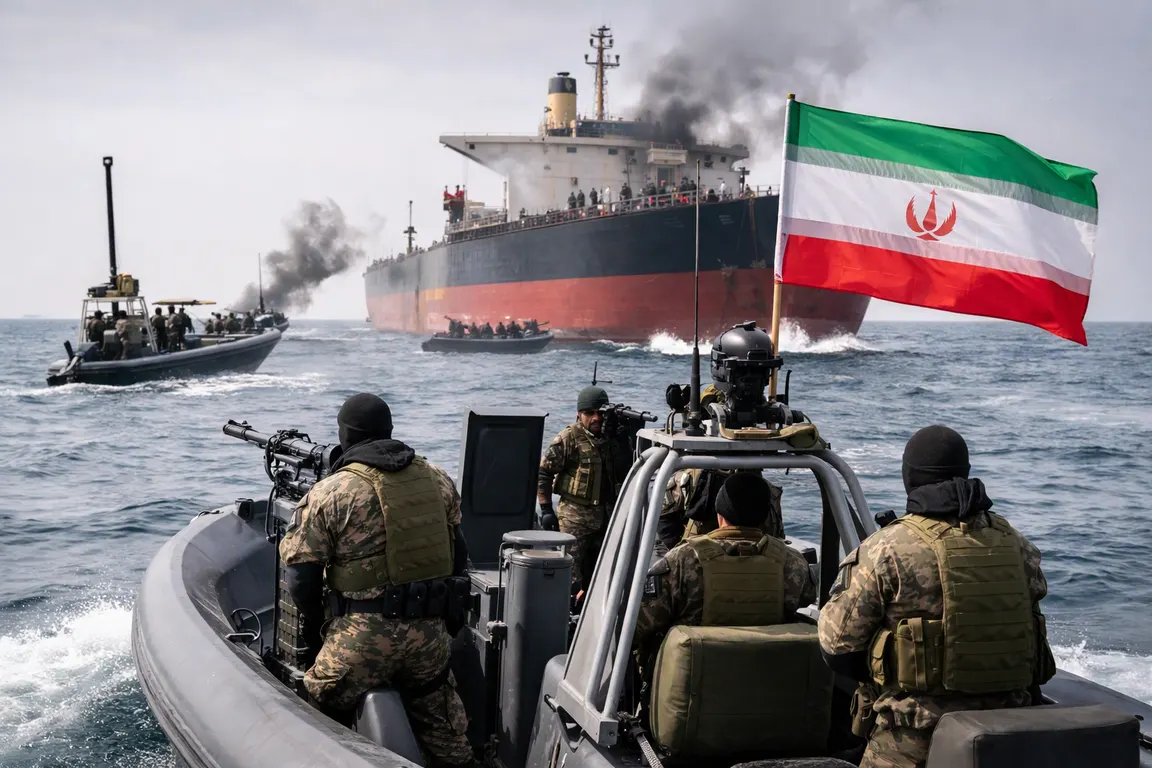
Iran said its forces struck 19 vessels in the Strait of Hormuz on Sept. 27, a week after President Donald Trump rejected Tehran’s seven‑day cease‑fire proposal. The attacks, reported by state media, come as diplomatic talks stall and U.S. officials consider a renewed air campaign after the November 2026 midterm elections.
The United States has not confirmed the strikes and has declined Tehran’s roadmap, which called for an immediate end to hostilities, the release of frozen Iranian assets and the lifting of sanctions on Iranian oil. A Wall Street Journal report said senior administration officials are weighing a resumption of air strikes after the midterms, a timeline that contrasts with Iran’s swift naval response.
Iranian Foreign Minister Abbas Araghchi told NBC’s Meet the Press that the Islamic Republic is “fully prepared” to resume war while remaining open to diplomacy. Fars News Agency said Iranian forces hit 12 ships on Friday night and seven more on Saturday. Independent verification of the attacks has not yet emerged, and the Pentagon has not commented.
The Strait of Hormuz handles roughly 20 million barrels of oil a day—about one‑fifth of global consumption. Even a brief disruption can lift crude prices by several dollars per barrel, as past closures have shown. Regional economies that depend on transit fees, such as the United Arab Emirates, Oman and Qatar, could see a sharp revenue decline, and insurers are likely to raise war‑risk premiums.
Shipping companies have already rerouted vessels, increased security measures and, in some cases, suspended transits through the strait. Alternative routes around the Cape of Good Hope add weeks to transit times and raise freight costs.
Analysts caution that without corroborating evidence, the true scale of damage to the vessels and any casualties remain uncertain. Nevertheless, the reported attacks have prompted a reassessment of risk by ship owners and insurers.
Diplomatic options are narrowing. Iran has said it will keep the strait closed until its conditions are met, but it has not ruled out returning to negotiations. The United States, facing domestic political calculations ahead of the midterms, may delay decisive military action, yet the reported preparation for air strikes suggests a willingness to move from diplomatic pressure to kinetic options.
The next critical step will be a formal U.S. statement on the alleged attacks and how Washington balances the midterm political calendar with the need to keep the Hormuz artery open. As both sides trade threats and limited actions, the world watches for a signal that could either open a path to de‑escalation or push the region toward a wider naval clash that would reverberate through global energy markets.